Month-to-Month Residential Lease Agreement

State-Specific Residential Lease Agreement

Residential Lease With Option to Buy

Furnished Residential Lease Agreement

Short-Term Residential Lease Agreement
A short-term residential lease agreement helps you rent a home for a few months or weeks. This written contract spells out the rules between landlord and tenant. It covers rent, security deposit, and move-out dates. Both sides know what to expect. No confusion. No surprises. The document also lists utilities, pets, and guest policies. You can adjust each clause to fit your situation. Sign it before the tenant moves in. Keep a copy for your records. This simple form protects your property and your peace of mind. Use it for vacation rentals, temporary housing, or a trial run before a long lease.

Room Rental Residential Lease Agreement

Pet-Friendly Residential Lease Agreement
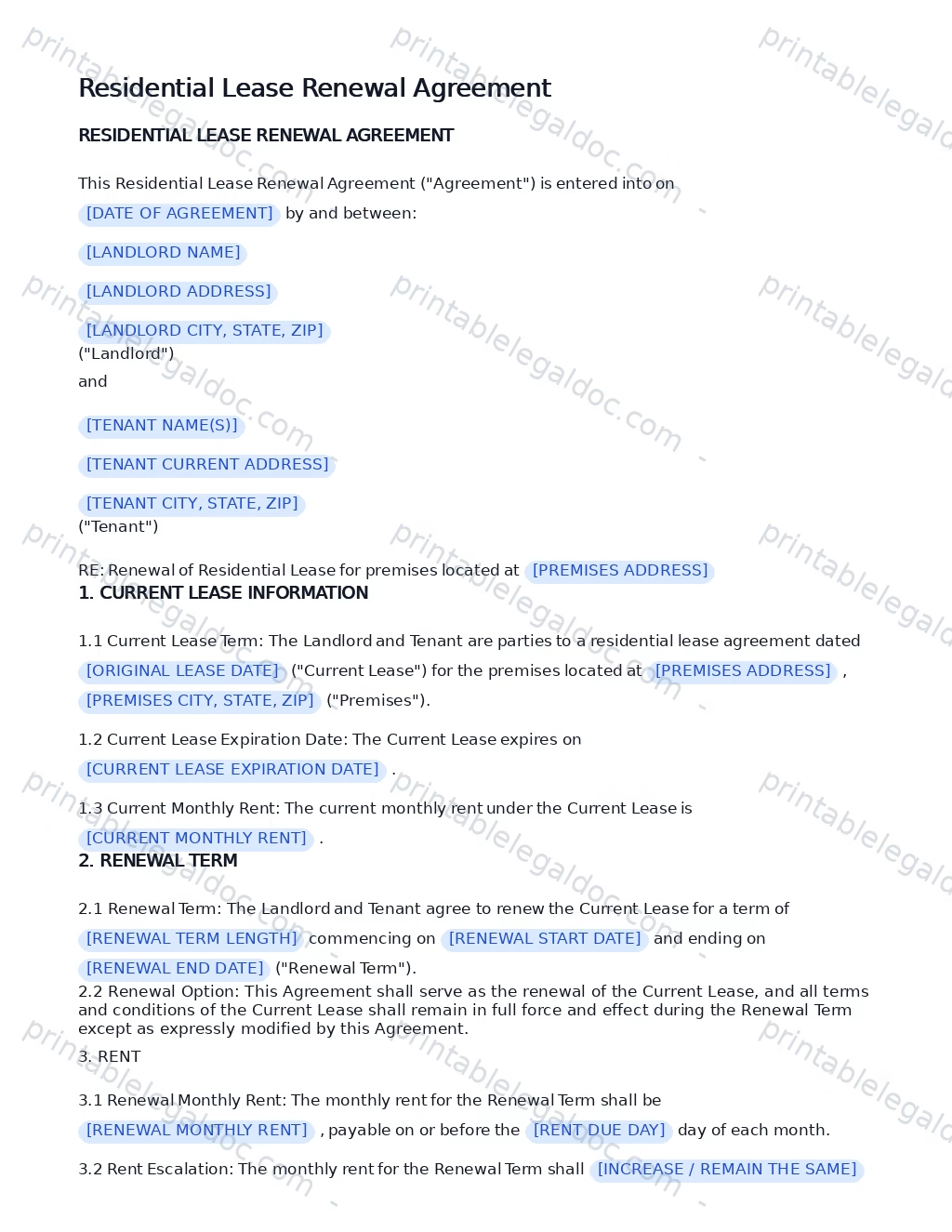
Residential Lease Renewal Agreement
A residential lease renewal agreement keeps your rental terms clear. It extends an existing tenancy without starting from scratch. Landlords use this document to lock in rent, dates, and rules. Tenants get written proof of their continued stay. The form spells out the new lease length. It states the monthly payment and due date. Security deposit details stay the same. Both parties sign to confirm the deal. This simple contract prevents confusion later. It protects your rights and sets fair expectations. Grab this ready made template and fill in your details. Save time and avoid legal gaps.
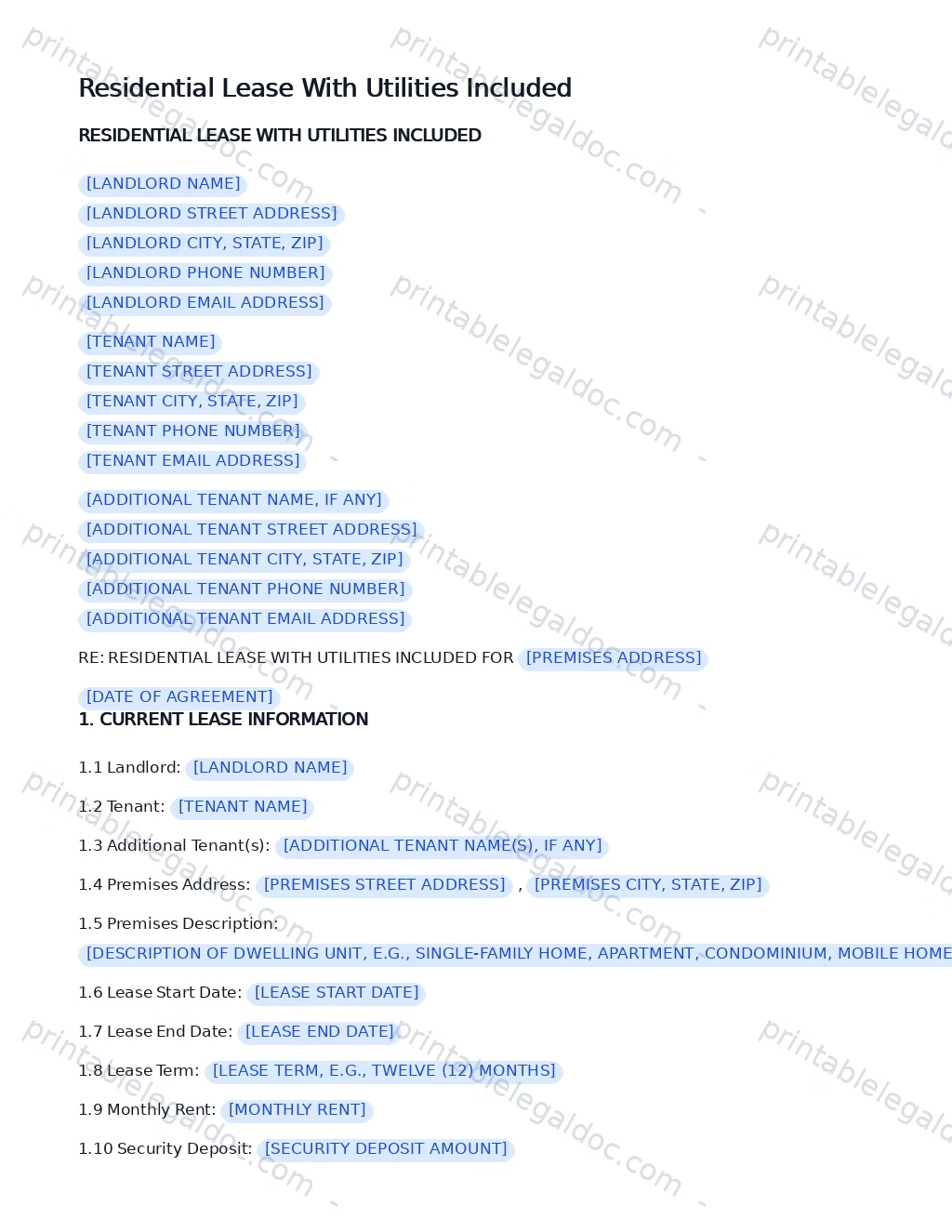
Residential Lease With Utilities Included
Residential Lease With Co-Signer Agreement
Documents


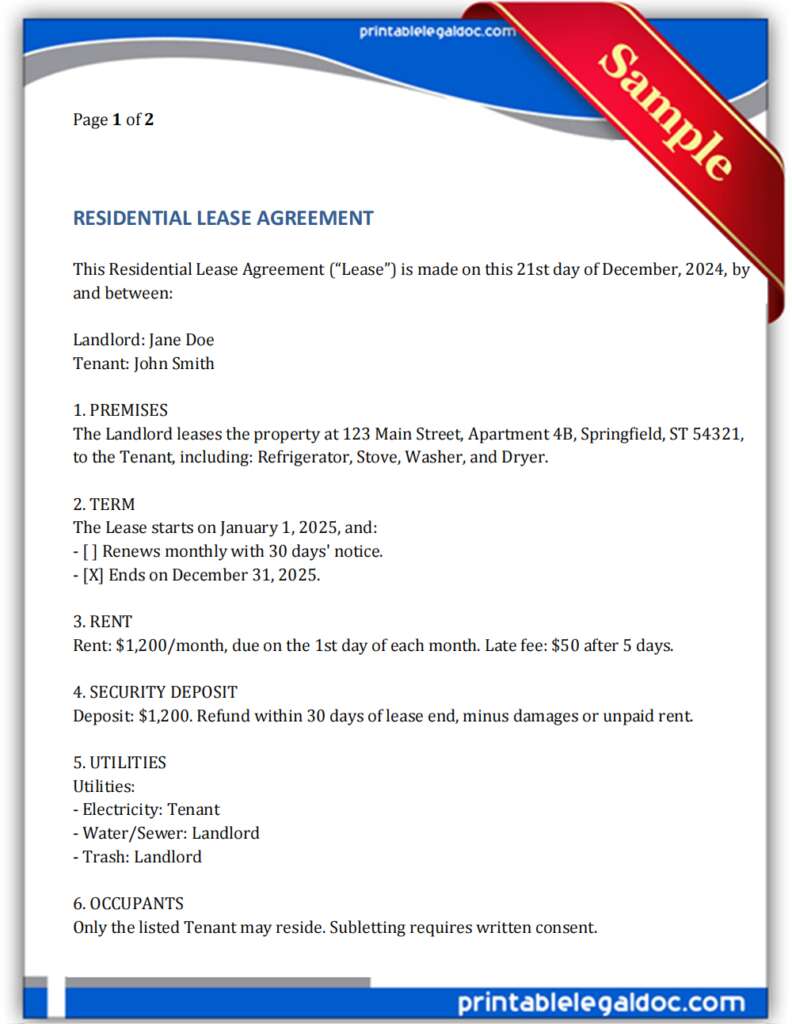
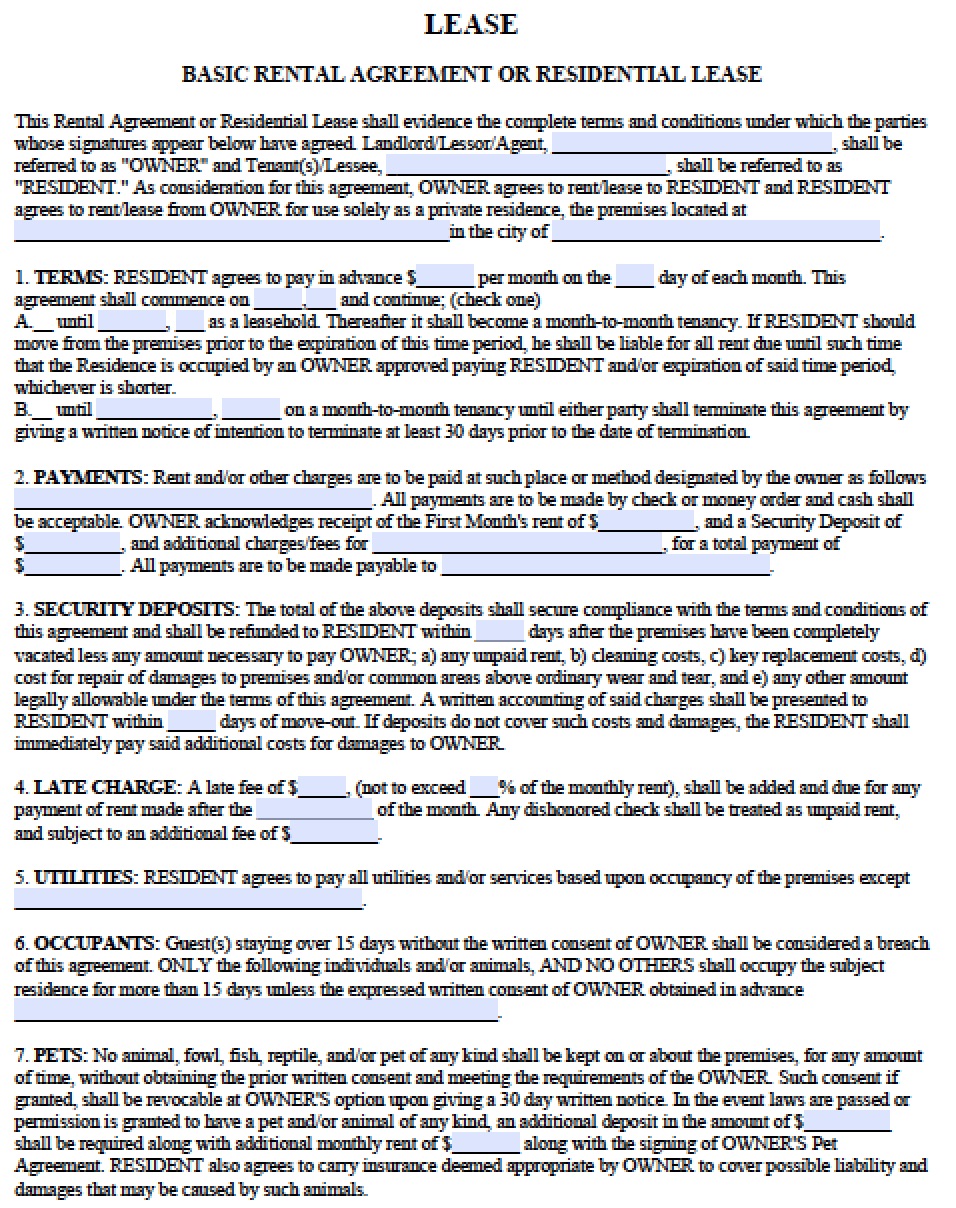
Residential Lease
What is a residential lease?
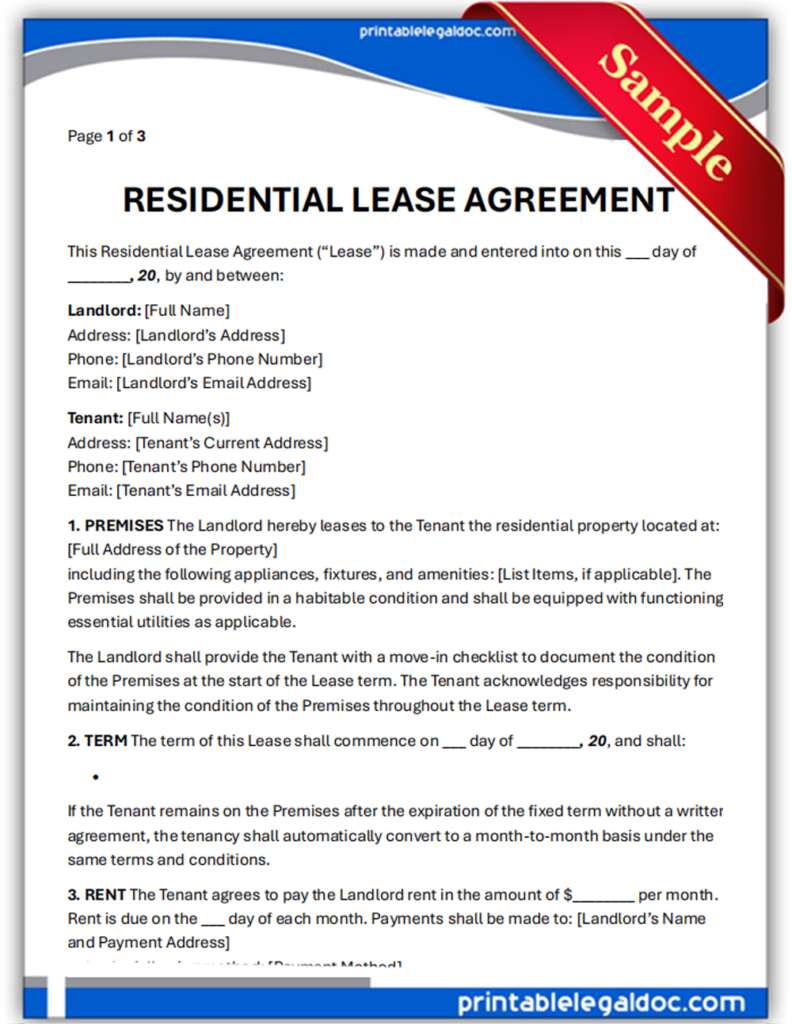
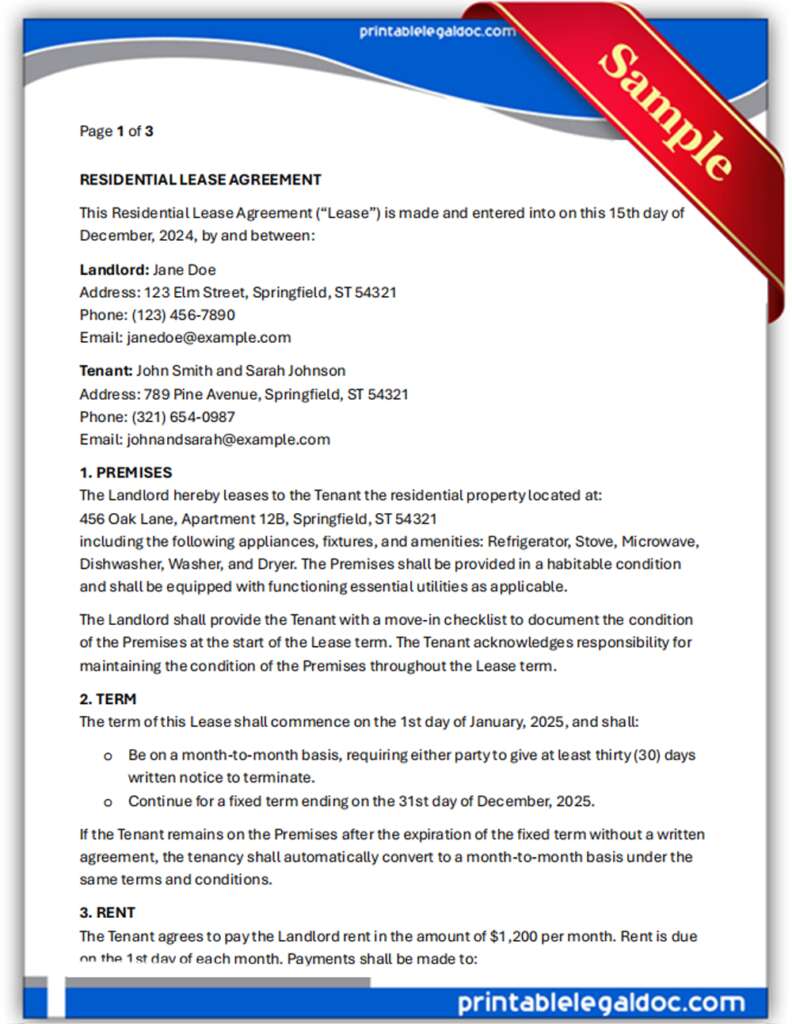
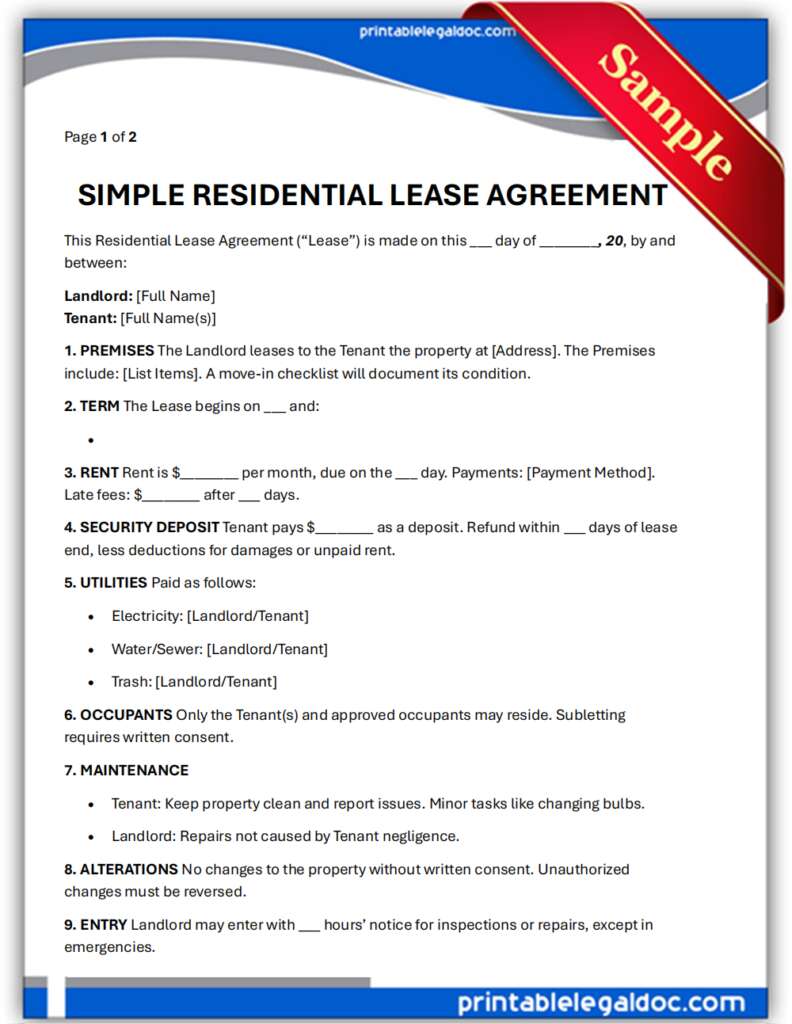
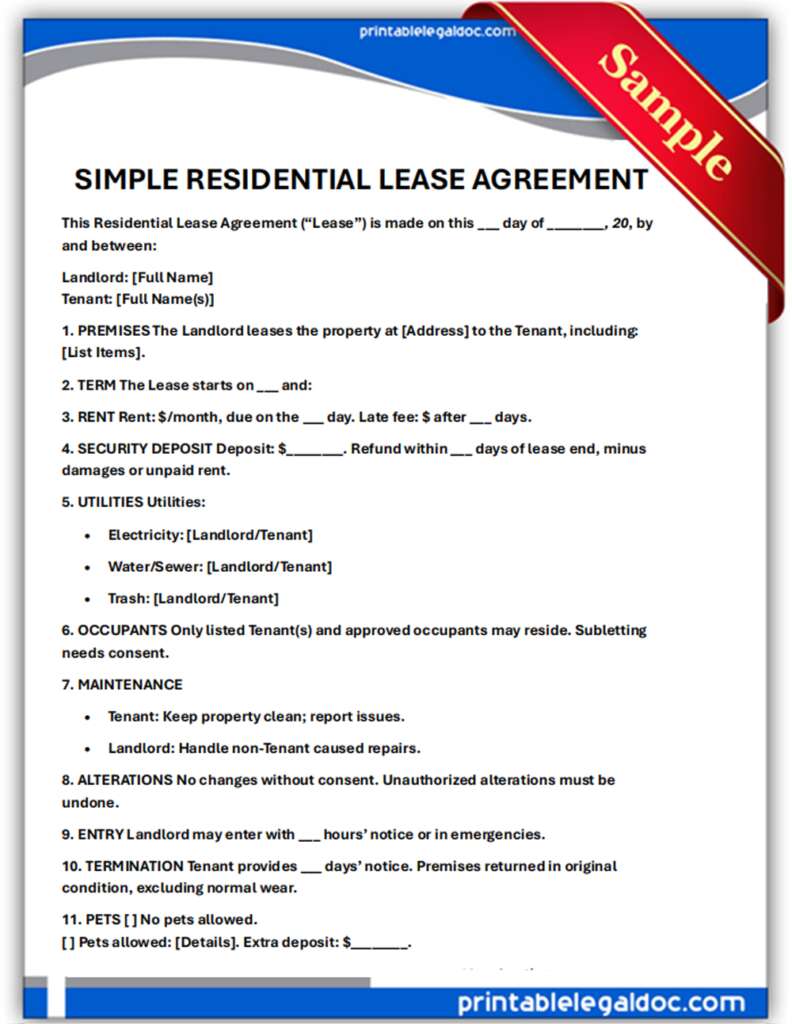
A residential lease is entered into between the owner of the property and the tenants when the property is let out for residential purposes. As opposed to commercial lease agreements, a residential lease contains a specific clause that the property will be used for residential purposes only. In effect, a residential lease is a legal document enforceable by the courts of law and holds the landlord as well as tenant responsible for the obligations outlined in the lease.
What should you include in the residential lease?
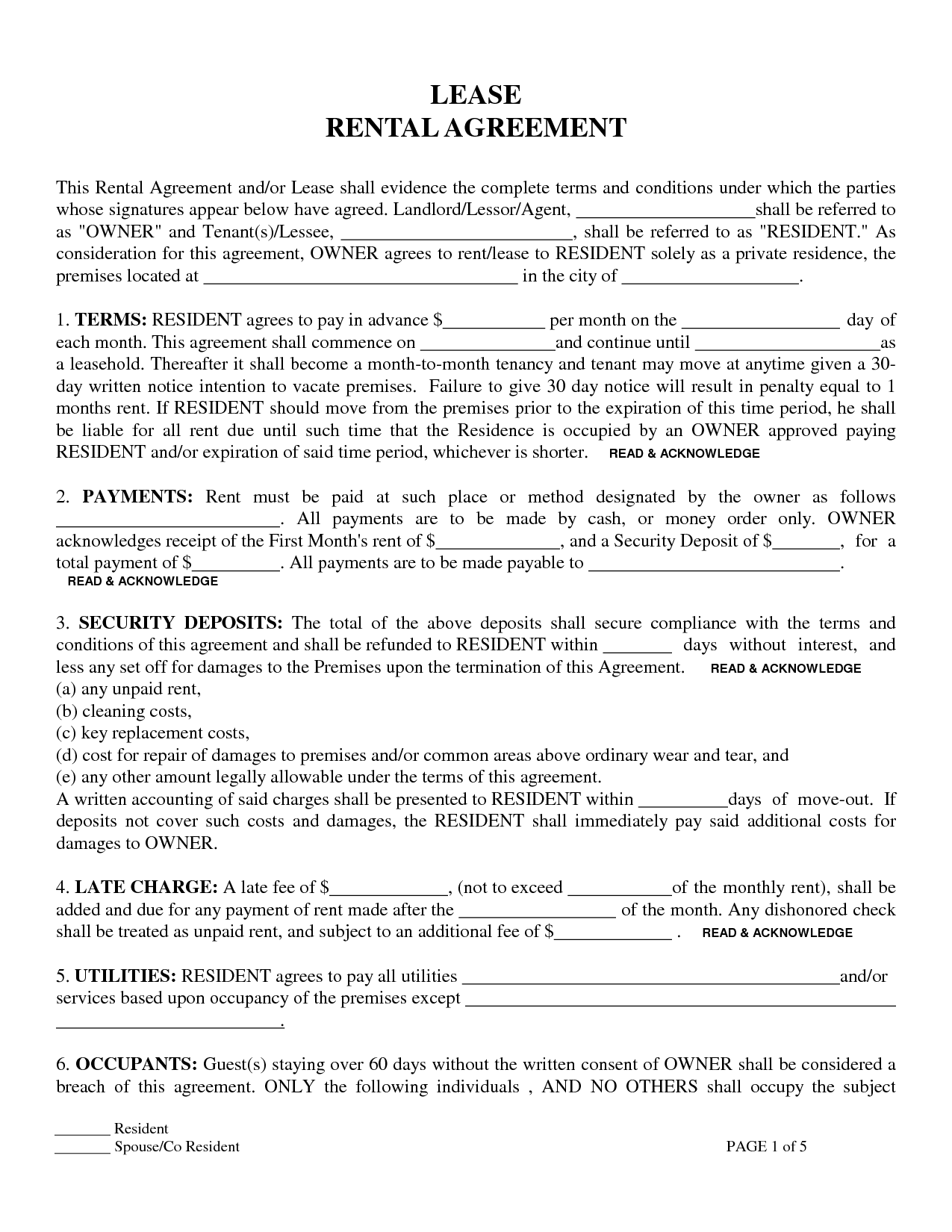
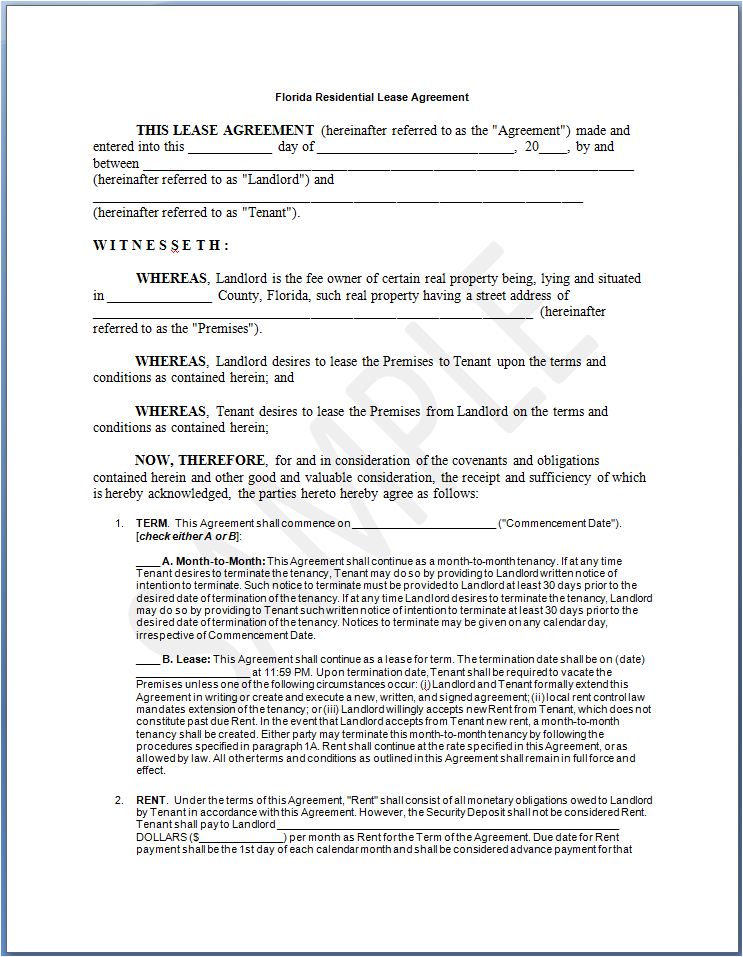
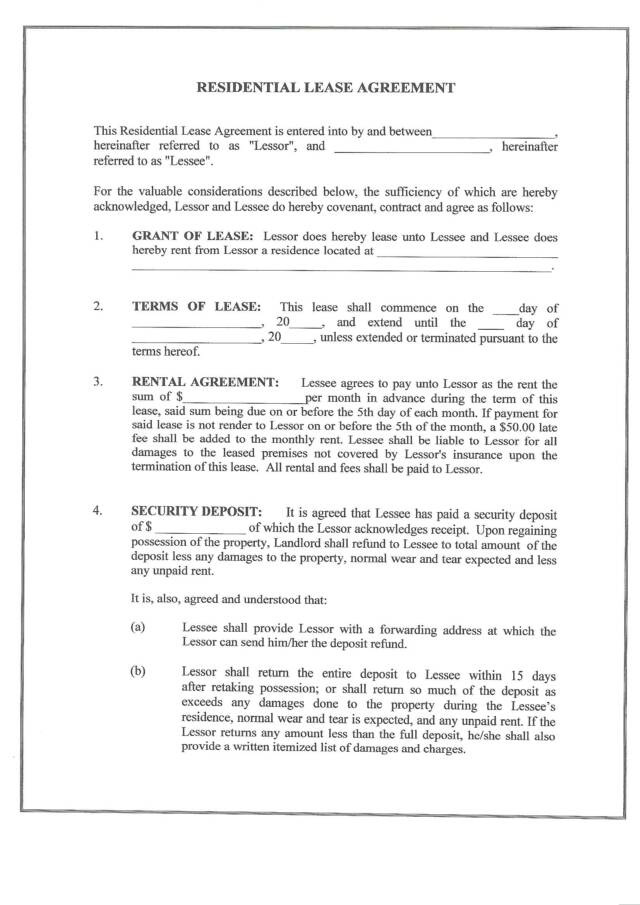
The format for a standard residential lease can be provided by any law practitioner. In fact, one can even get an idea of what the lease format looks like through one of the many free templates available on the internet. However, the following are some of the basic points to be included in a residential lease:
- Description of the property.
- Full address of the property/ house.
- The amount fixed as rent along with the amount given as advance or deposited as security.
- The total term for which the lease is valid i.e. up to 1 year, two years, etc.
Some important tips to keep in mind
While drawing up a residential lease, make sure to keep the following points in mind to ensure that you get a clear and transparent deal:
- All the details of payment apart from rent amount should always be included, for example, due date of rent, frequency of payments, etc.
- The lease should always be in writing. An oral residential lease has no value in law.
- Any other condition such as regarding keeping of pets, sub-letting, etc. should also be clearly mentioned.







Frequently Asked Questions
What is a residential lease?
A residential lease is a legal agreement between a property owner and tenants for renting a property for residential purposes. It includes a specific clause that the property will be used for residential purposes only, distinguishing it from commercial leases. This document is enforceable by courts and holds both landlord and tenant responsible for their obligations.
How does a residential lease differ from a commercial lease?
A residential lease contains a specific clause that the property will be used for residential purposes only, whereas a commercial lease does not have this restriction. This key difference ensures that the property is occupied as a home rather than for business activities. Both types of leases are legally binding, but they serve different purposes.
What should be included in a residential lease?
A residential lease should include a description of the property, the full address of the property or house, the amount fixed as rent along with any advance or security deposit, and the total term for which the lease is valid, such as up to one year or two years. These basic points help ensure clarity and enforceability. It is advisable to consult a law practitioner or use free templates available online for the proper format.
Where can I get a standard residential lease format?
A standard residential lease format can be provided by any law practitioner. Additionally, you can get an idea of what the lease format looks like through one of the many free templates available on the internet. However, it is important to ensure that the template includes all necessary clauses and complies with local laws.
What are the basic points to include in a residential lease?
The basic points to include in a residential lease are: a description of the property, the full address of the property or house, the amount fixed as rent along with the amount given as advance or deposited as security, and the total term for which the lease is valid, such as up to one year or two years. These elements are essential for a comprehensive agreement. Including these points helps protect both parties' interests.
Is a residential lease legally enforceable?
Yes, a residential lease is a legal document enforceable by the courts of law. It holds both the landlord and tenant responsible for the obligations outlined in the lease. This means that either party can seek legal recourse if the terms are violated.
What is the purpose of a residential lease?
The purpose of a residential lease is to establish a legal agreement between the property owner and tenants for renting a property for residential purposes. It outlines the rights and responsibilities of both parties, ensuring that the property is used only for residential purposes. This document provides a framework for the tenancy and can be enforced in court.
What are some important tips for drawing up a residential lease?
While drawing up a residential lease, make sure to include all basic points such as property description, rent amount, security deposit, and lease term. It is also advisable to consult a law practitioner or use reliable free templates to ensure the lease is comprehensive and legally sound. Always review the lease carefully before signing.
What is the maximum term for a residential lease?
The total term for which a residential lease is valid can vary, such as up to one year, two years, etc. The specific term should be clearly stated in the lease agreement. There is no universal maximum, but the term must be agreed upon by both parties.
Who is responsible for the obligations in a residential lease?
Both the landlord and the tenant are responsible for the obligations outlined in the residential lease. The lease holds each party accountable for their respective duties, such as paying rent or maintaining the property. This mutual responsibility is enforceable by courts of law.