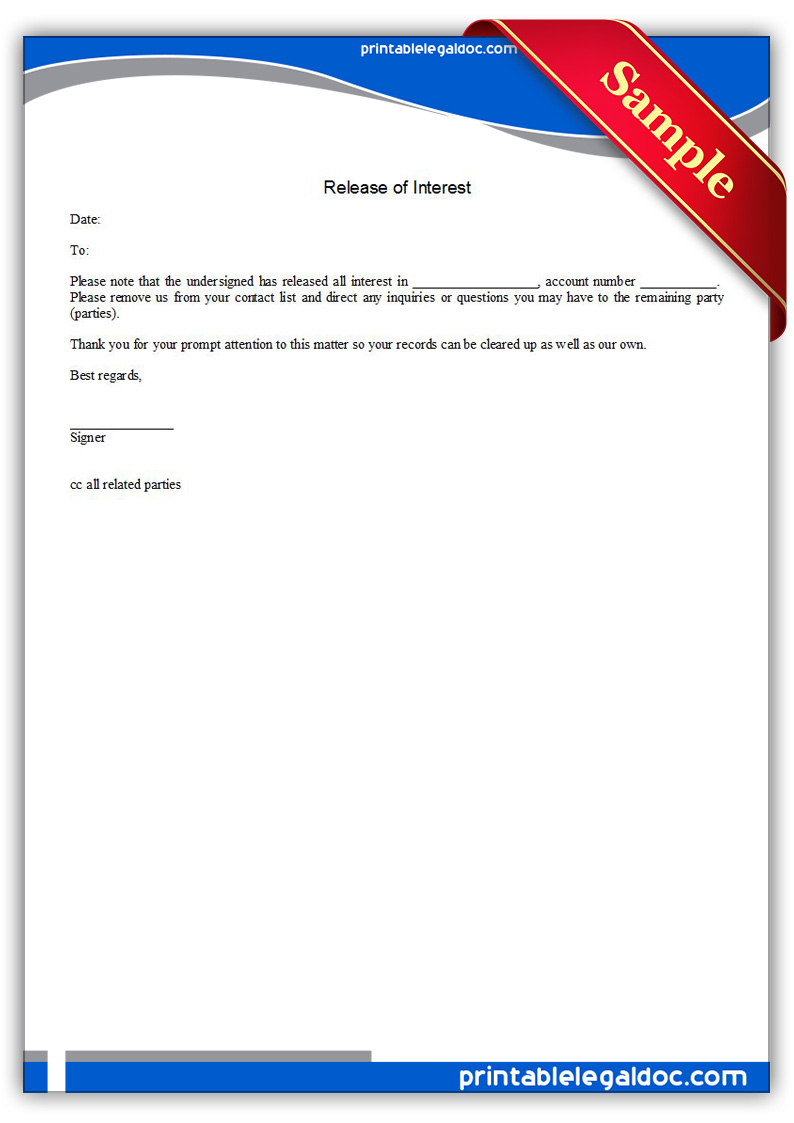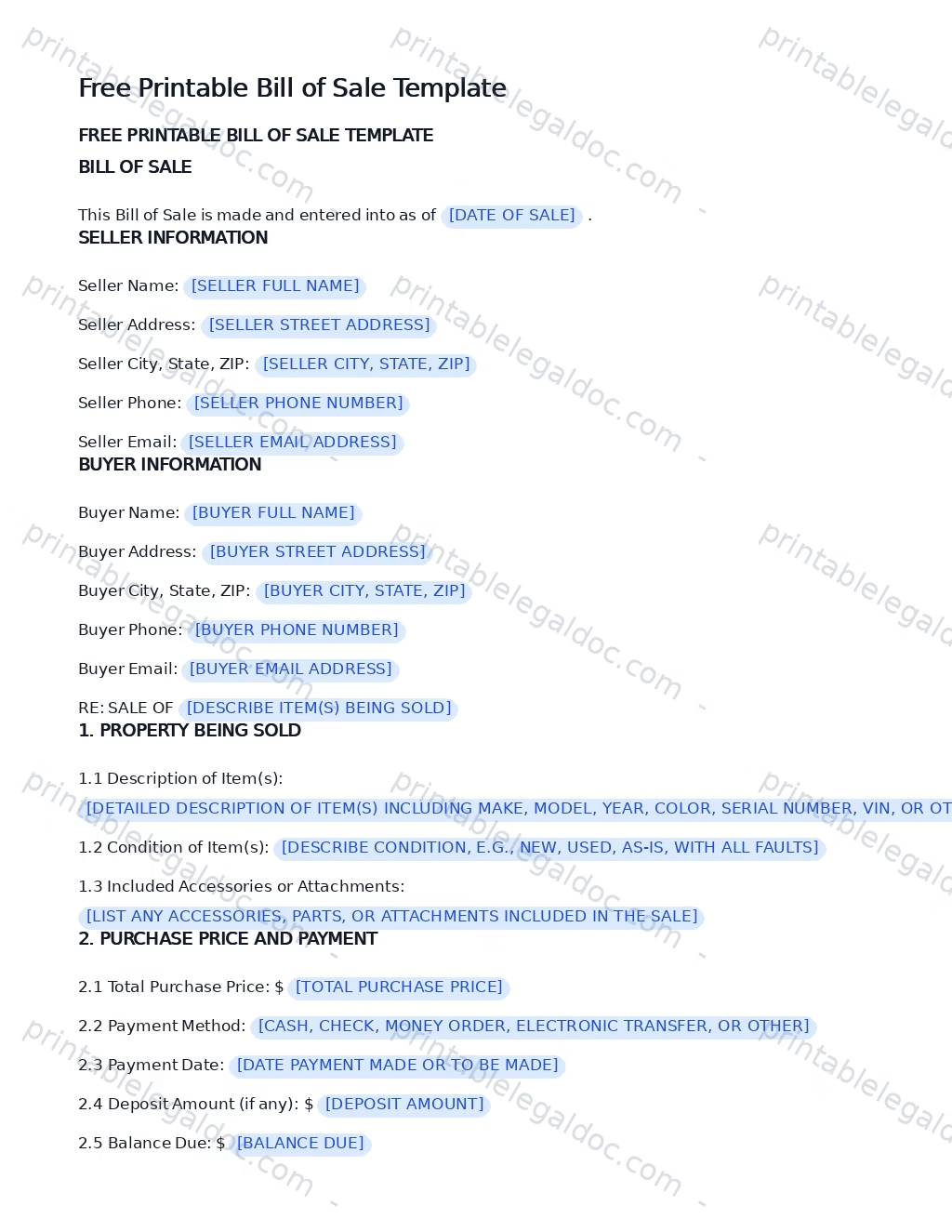
Free Printable Bill of Sale Template
Need a simple bill of sale? This free printable template gets the job done fast. It works for cars, furniture, electronics, and more. Every sale needs proof. A written record protects both buyer and seller. Our template covers the basics. It includes names, dates, item details, and price. You also get space for signatures. Print it at home in minutes. No special software required. Just fill in the blanks and sign. Keep one copy for yourself. Give one to the buyer. That small step prevents big problems later. Download your free bill of sale template today.
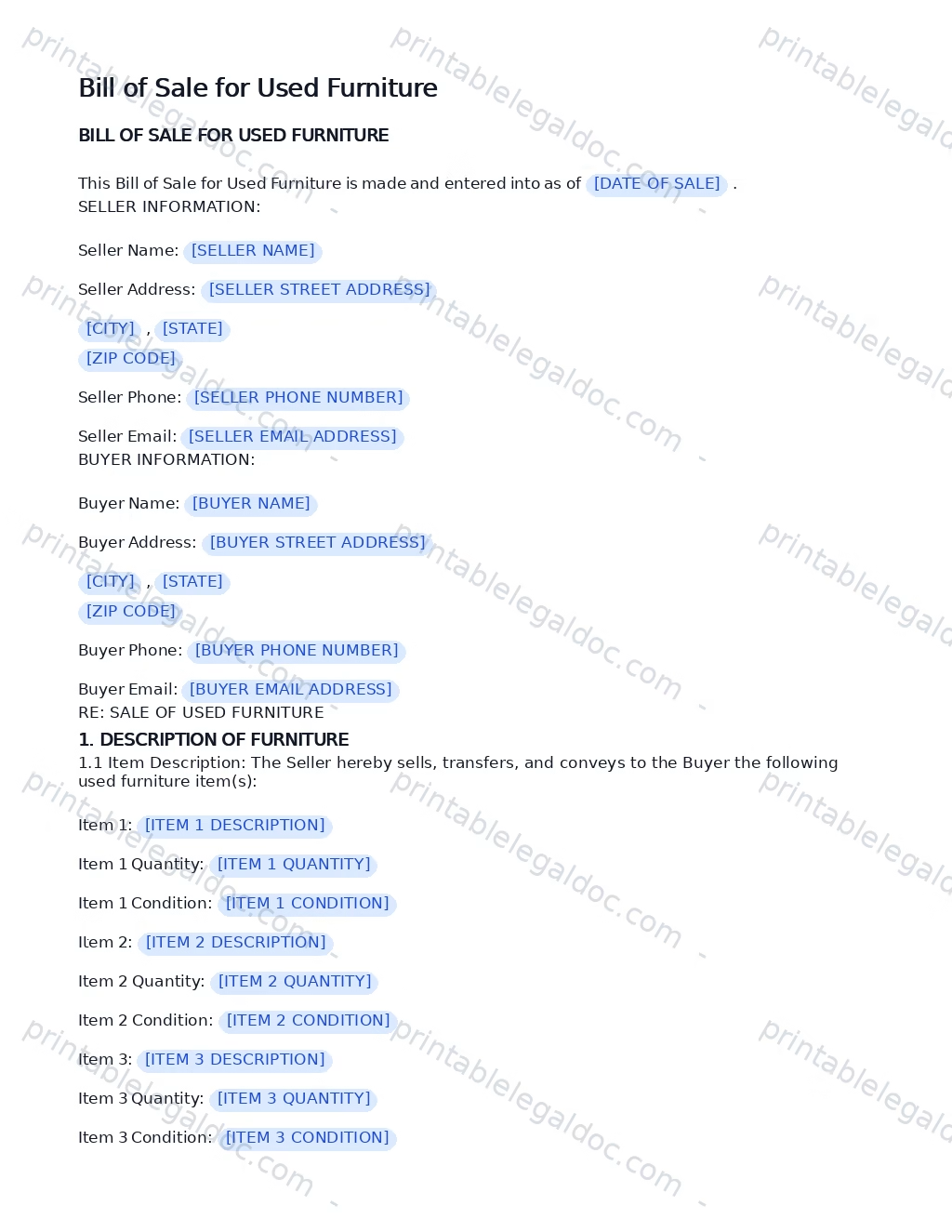
Bill of Sale for Used Furniture
A bill of sale for used furniture proves you sold your couch, table, or dresser. It records the buyer, seller, price, and date. This simple document protects both sides. You get proof of payment. The buyer gets proof of ownership. Our template makes the process quick. Fill in the blanks. Sign it. Keep a copy. No confusion. No future disputes. Whether you sell a single chair or a full living room set, this form works. It covers condition, price, and pickup details. Use it for online sales, garage sales, or moving sales. Clear records build trust. Start your sale the right way.
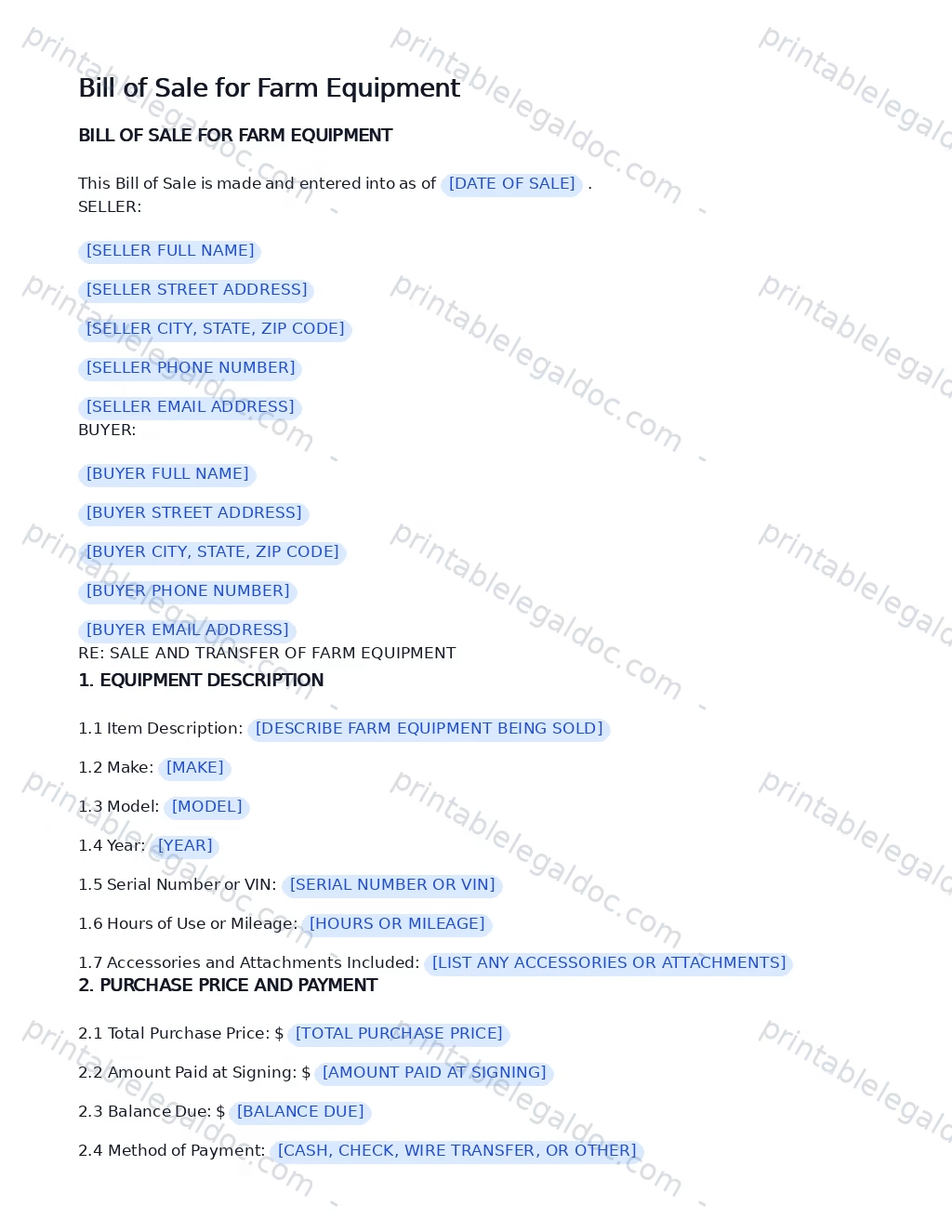
Bill of Sale for Farm Equipment
A bill of sale for farm equipment records the transfer of ownership between a buyer and a seller. This simple document protects both sides. It lists key details like the equipment description, serial number, price, and date of sale. Our template makes the process quick and clear. You can fill in the blanks and sign. No legal jargon. No confusion. Farmers sell tractors, plows, and trailers every day. A written record keeps things honest. It also helps with taxes and insurance claims. Print the form. Complete it at the sale. Keep a copy for your files. That way, everyone knows what was sold and for how much. Simple as that.
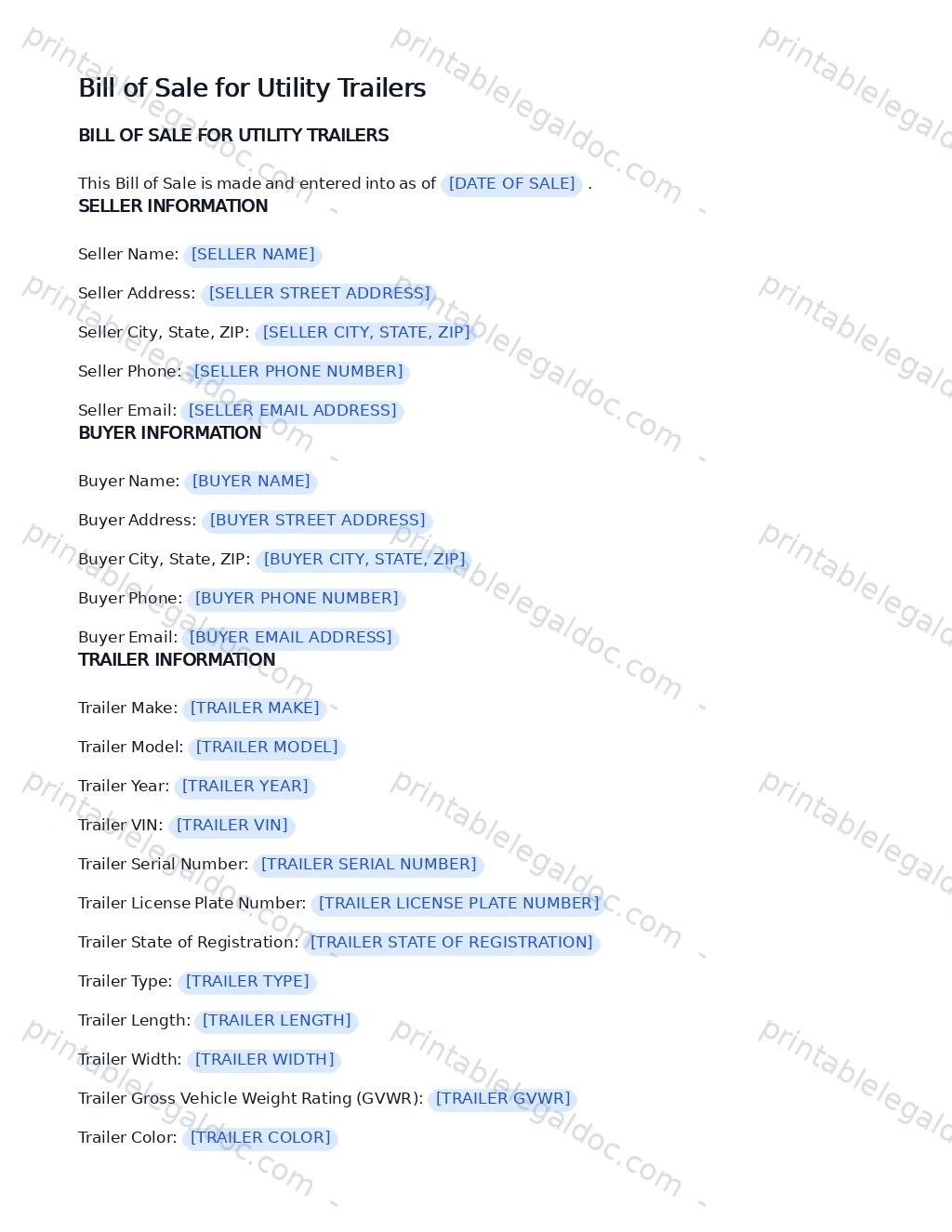
Bill of Sale for Utility Trailers
A bill of sale for utility trailers proves you own the trailer. It shows the sale is real. Both buyer and seller sign it. This simple paper protects everyone. It lists key facts. You write the trailer make and model. Add the VIN or serial number. Note the sale price and date. Include names and addresses for both sides. That record settles disputes later. It helps with registration and taxes too. Our template makes this step quick. Fill in the blanks. Print two copies. Keep one for your files. Hand the other to the buyer. No confusion. No missing details. Just a clean transfer of ownership.
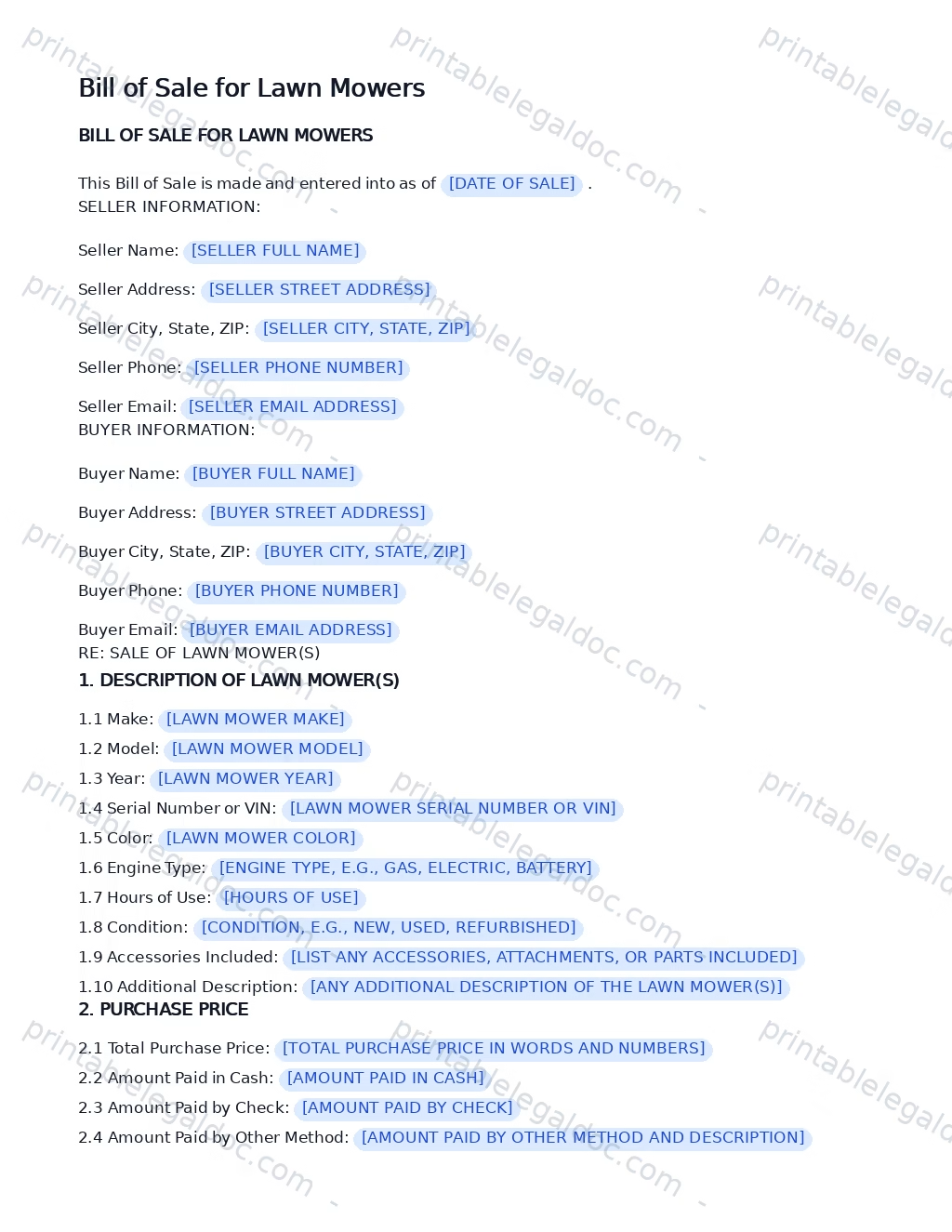
Bill of Sale for Lawn Mowers
A bill of sale for lawn mowers proves you sold the machine. It records the buyer, the seller, the price, and the mower details. You get legal proof of the transfer. The buyer gets a clean record of ownership. Our template keeps this simple. Fill in the blanks. Sign it. Both parties keep a copy. It works for push mowers, riding mowers, and commercial units. Use it for private sales or business deals. The form covers make, model, serial number, and condition. It also notes the sale date and payment method. No confusion later. No disputes over who owns what. Grab the template. Print it. Close the deal with confidence.
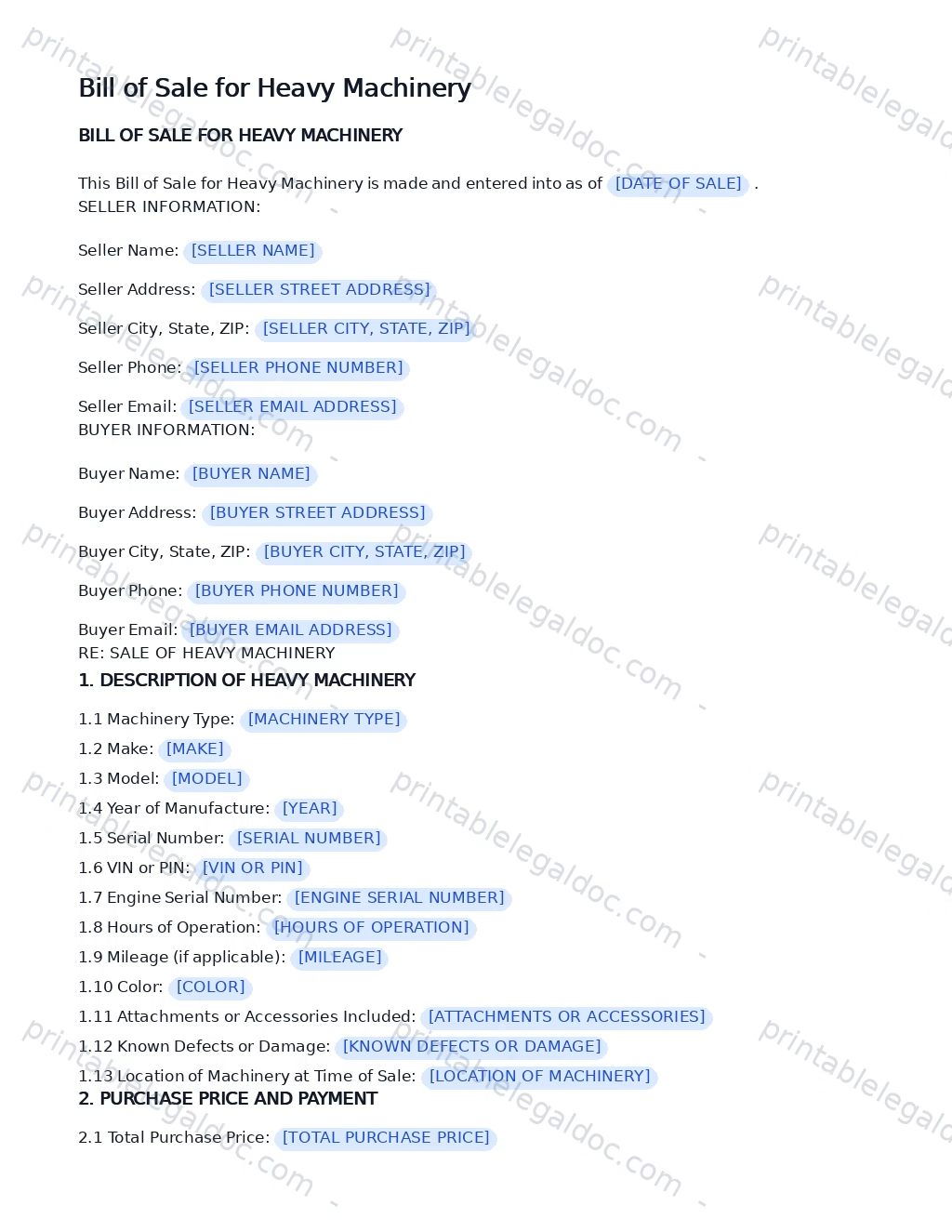
Bill of Sale for Heavy Machinery
A bill of sale for heavy machinery proves you own the equipment and sold it. It records the buyer, the seller, the price, and the machine details. You list the make, model, year, and serial number. This paper protects both sides. It shows the transfer was legal. Our template makes the process simple. Fill in the blanks. Sign it. Keep a copy. That record matters if a dispute comes later. Banks and tax offices often ask for it. So do courts. You get a clean document that holds up. No guesswork. Just facts on paper.
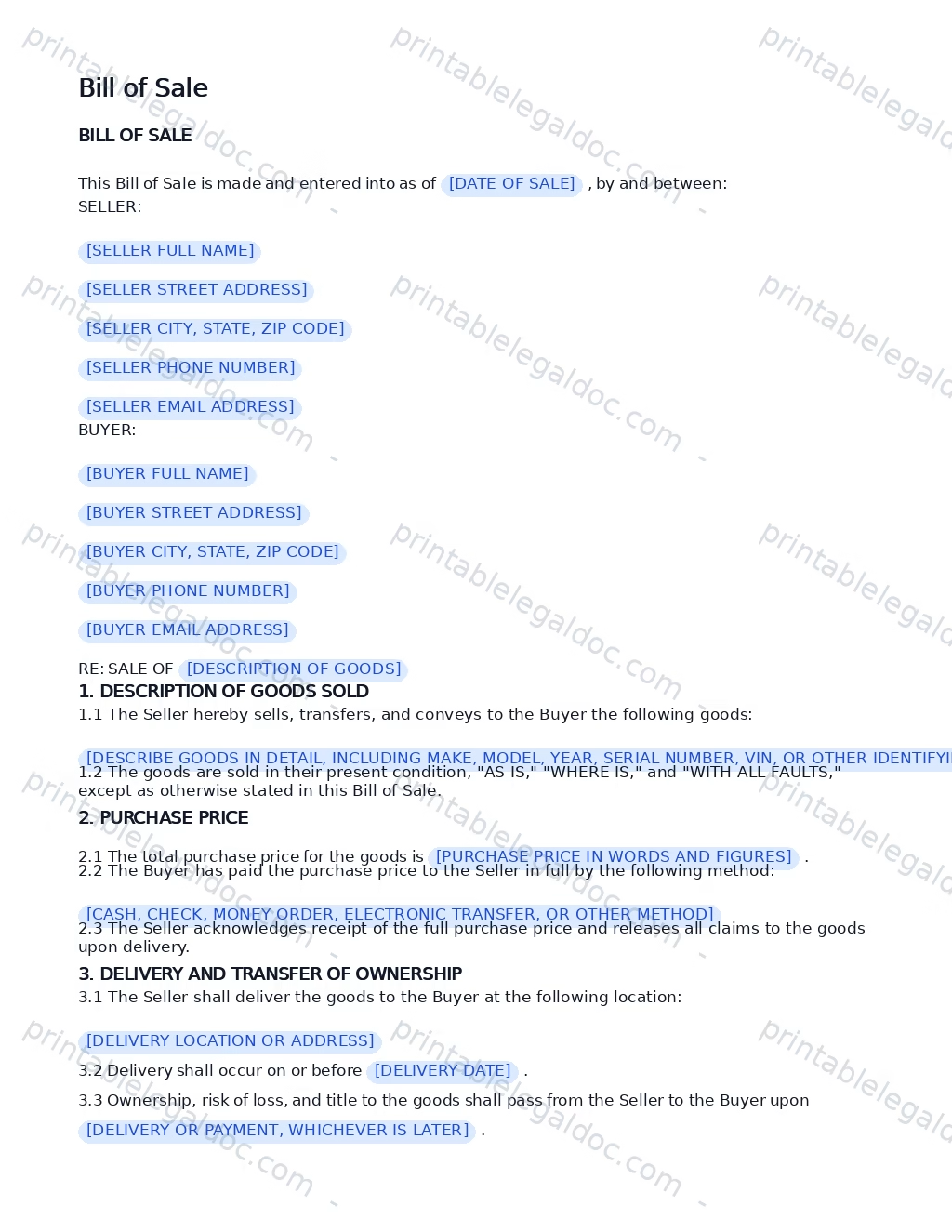
Bill of Sale
A bill of sale proves you transferred ownership of an item. It records the seller, the buyer, the price, and the date. This simple document protects both sides. It works for cars, boats, furniture, and electronics. Our template makes the process quick. Fill in the blanks. Sign it. Keep a copy for your records. You get a clear paper trail. That matters if a dispute comes up later. Buyers gain proof of purchase. Sellers gain proof they no longer own the item. No lawyer needed. No confusion. Just a clean record of your sale. Download it today and close your deal with confidence.
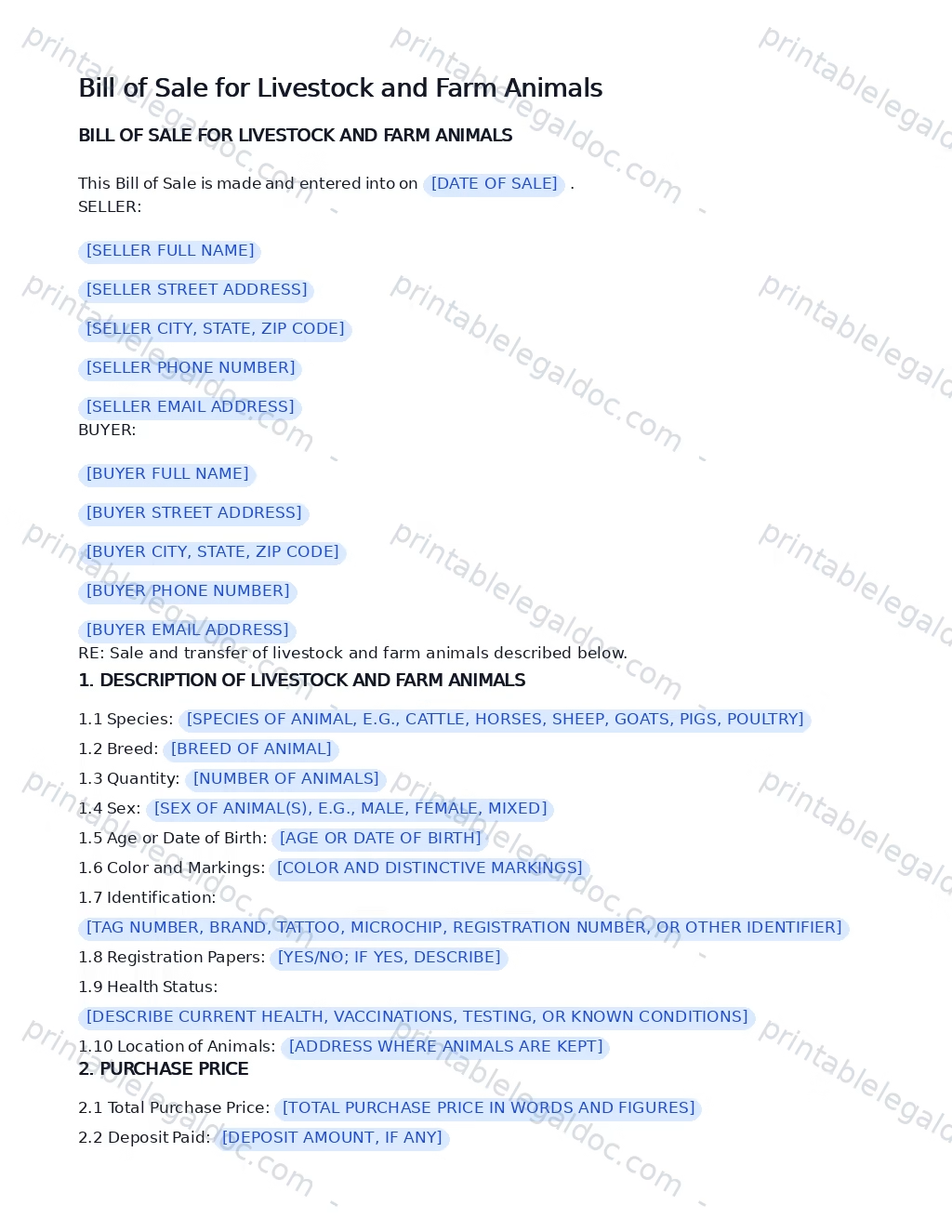
Bill of Sale for Livestock and Farm Animals
A bill of sale for livestock and farm animals records the transfer of ownership from seller to buyer. It protects both parties. The document includes the animal's description, price, date of sale, and names of those involved. Cattle, horses, goats, pigs, and poultry all qualify. This simple form creates a legal paper trail. It proves the sale happened and who now owns the animal. Farmers use it for private sales, auctions, and herd reductions. Buyers get clear proof of purchase. Sellers gain protection against future claims. The template works for single animals or entire herds. Fill it out, sign it, and keep a copy. A written record avoids disputes later. That makes good business sense for anyone buying or selling farm animals.
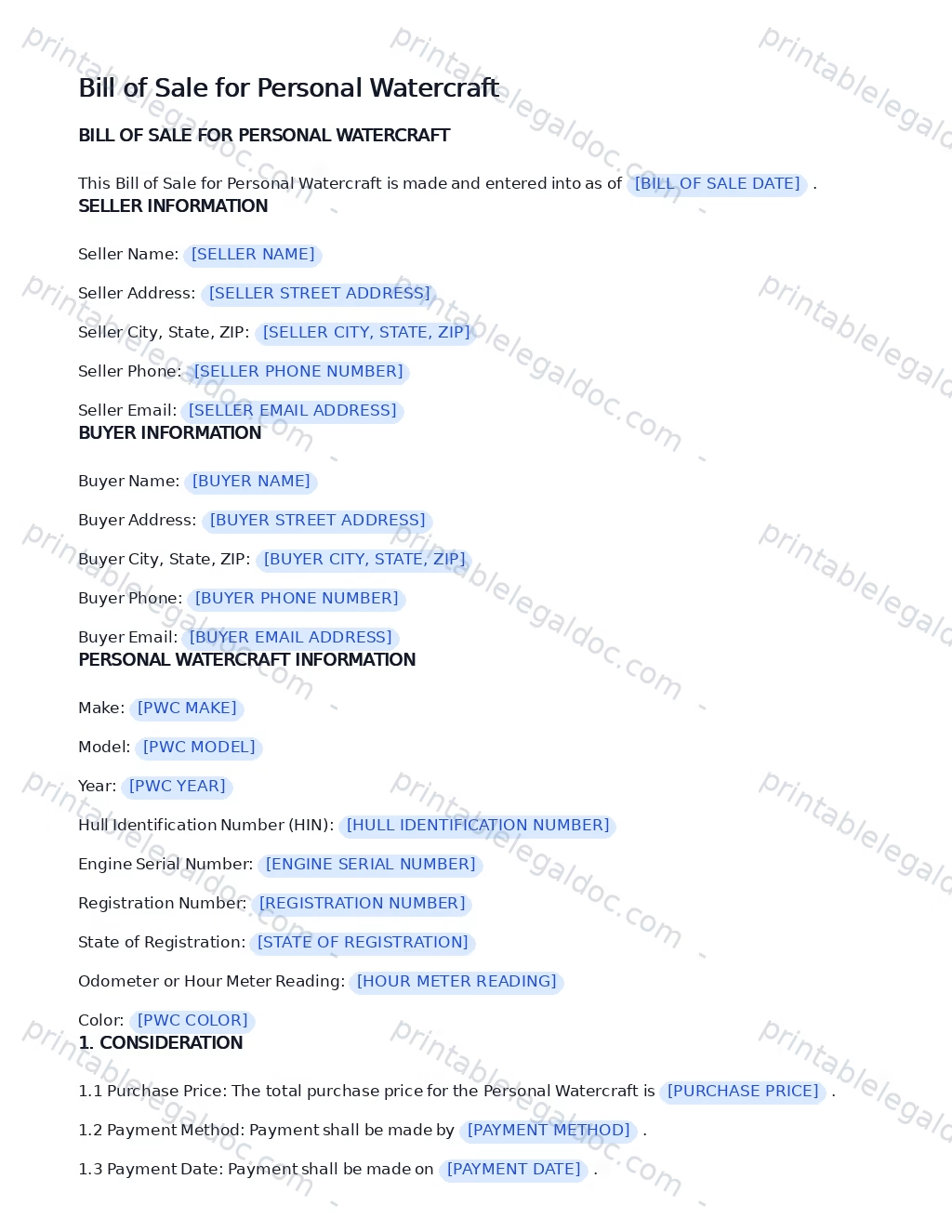
Bill of Sale for Personal Watercraft
A bill of sale for personal watercraft proves you own your jet ski or wave runner. It records the sale between buyer and seller. This document shows the date, price, and details of the watercraft. It includes the hull identification number. Both parties sign it. That makes the transfer legal. You need this paper for registration. It also protects you if a dispute comes up later. Sellers use it to release ownership. Buyers use it to claim their new property. Keep a copy for your records. Our template makes this step simple. Fill in the blanks. Print it. Sign it. You are done.
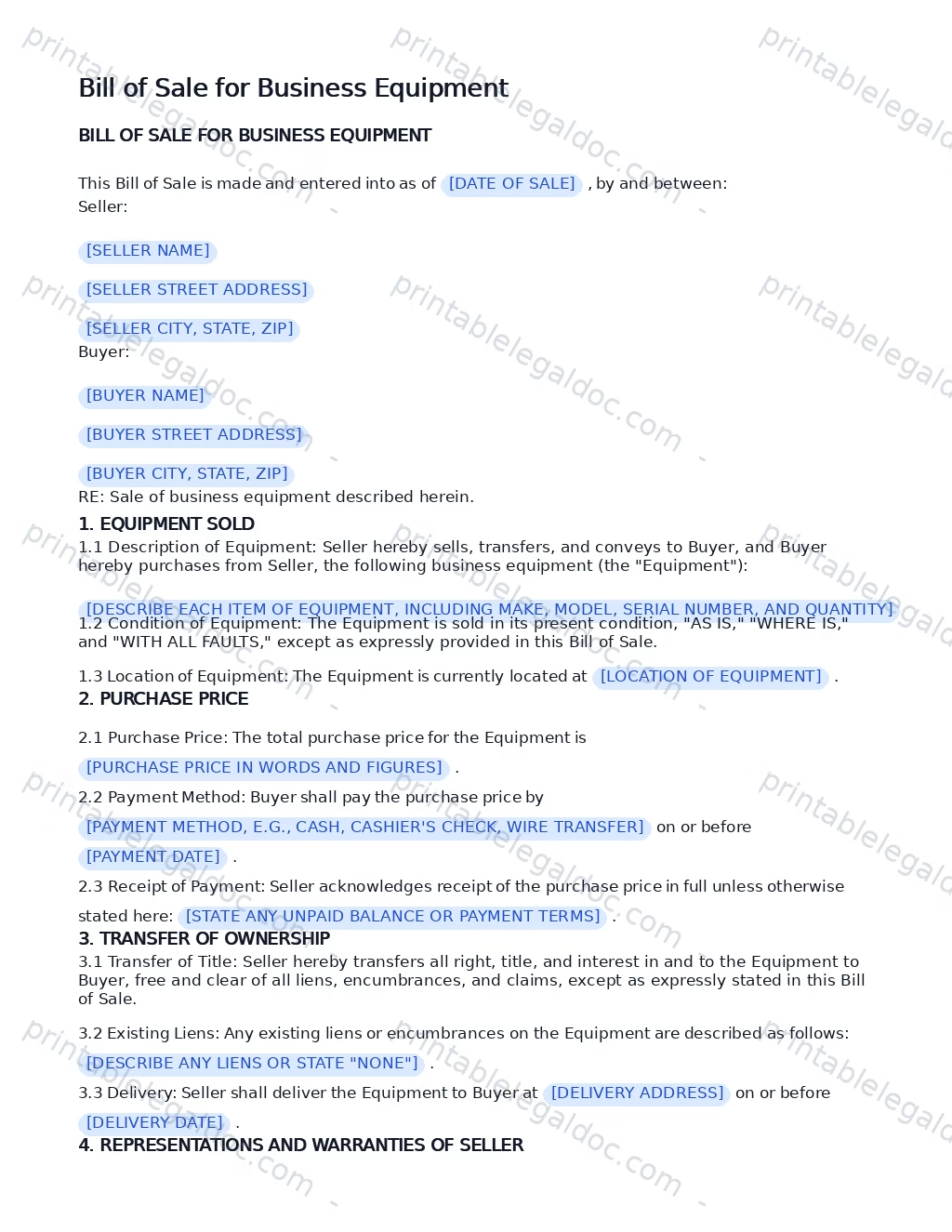
Bill of Sale for Business Equipment
A bill of sale for business equipment proves you own what you sell. It records the buyer, the seller, the item, and the price. This simple document protects both sides. Sellers get proof of transfer. Buyers get clear title. Our template covers key details like serial numbers and payment terms. Fill in the blanks. Sign it. Keep a copy for your records. No legal jargon. No confusion. Just a clean record of your sale. Use it for tools, machines, vehicles, or office gear.
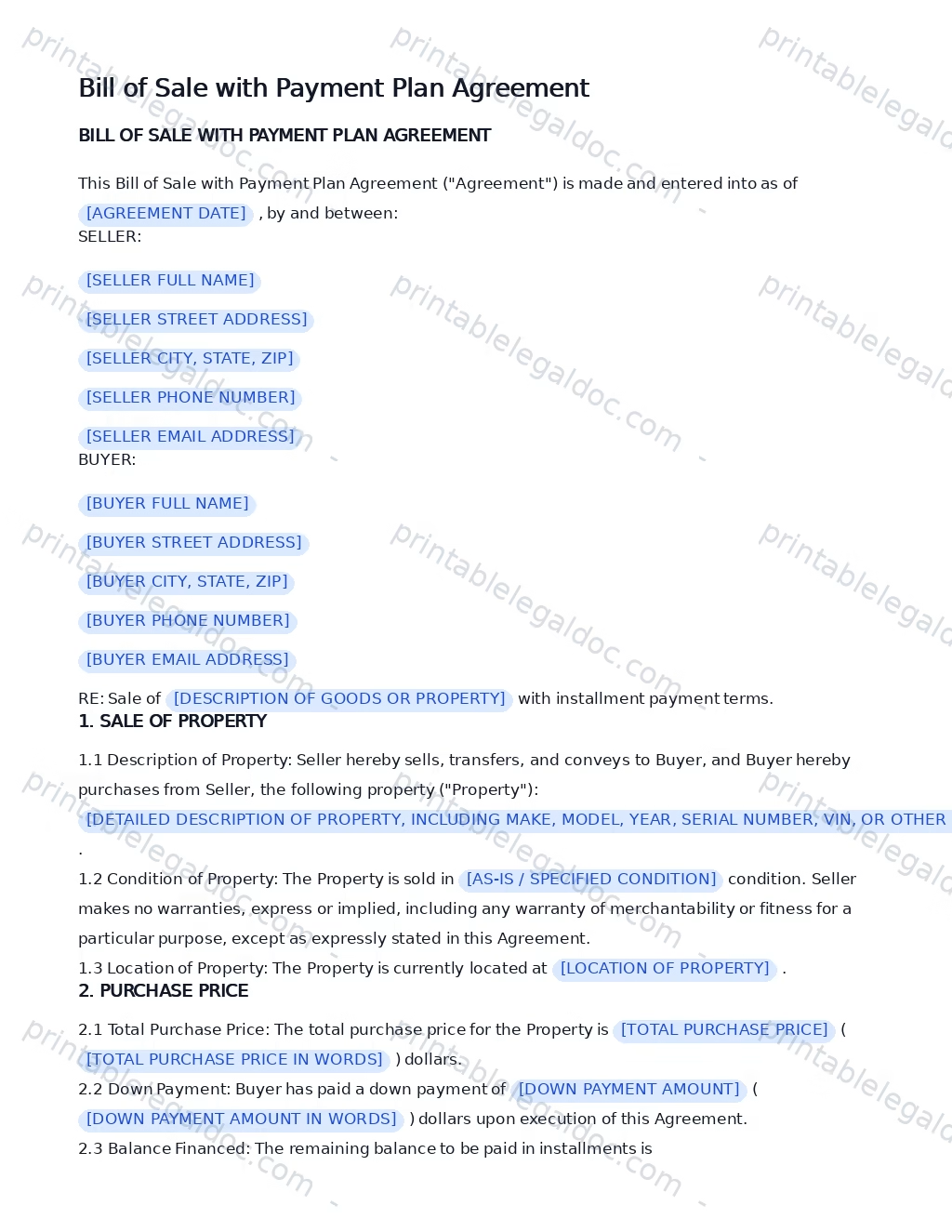
Bill of Sale with Payment Plan Agreement
A bill of sale with a payment plan agreement lets you sell property over time. The buyer pays in installments. You keep ownership until the final payment clears. This template spells out every detail. It covers the total price, deposit, and due dates. Late fees and default terms stay clear. Both sides sign. Then the deal is binding. Sellers gain steady income. Buyers get a fair shot at ownership. Use this form for cars, equipment, or furniture. It protects you if payments stop. Grab the template. Customize it fast. Close the sale with confidence.
Bill of Sale
This Bill of Sale made on ____________ (Date), by and between ______________ (“Seller”) and _______________________________ (“Buyer”).
Whereas the Seller wishes to sell and the Buyer wishes to buy the property, assets and undertaking described in Exhibit 1 attached (collectively the “Assets”) for the consideration and on the terms and conditions set forth below:
Therefore, this Bill of Sale witnesses that for good and valuable consideration now paid by the Buyer to the Seller at or before the execution and delivery of this Bill of Sale, the receipt and sufficiency of which is acknowledged, the Seller grants, bargains, sells, assigns, transfers, conveys and sets over to the Buyer the Assets, upon and subject to the following terms and conditions:
1. The Seller covenants, warrants and represents that:
(a) Seller has good and marketable title to the Assets, free and clear of any mortgage, charge, security interest, lien, claim, charge or other encumbrance of any nature or kind whatsoever;
(b) Seller has the authority to sell the Assets to the Buyer;
(c) Buyer shall, immediately after execution and delivery of this Bill of Sale, have quiet and peaceful possession and enjoyment of the Assets for its own use and benefit without any manner of hindrance, interruption, molestation, claim or demand whatsoever of, from or by the Seller or any person;
(d) Seller will, from time to time and at all times hereafter, on every reasonable request of the Buyer, make, do and execute or cause to be made, done and executed all further acts, deeds or assurances as may be reasonably required by the Buyer for more effectually and completely vesting in the Buyer the Assets;
(e) Seller to indemnify and save harmless the Buyer from all costs, damages, expenses and other losses resulting or arising from the breach or untruth of any covenant, warranty or representation made or given by the Seller hereunder.
2. This Bill of Sale shall inure to the benefit of the successors and assigns of the Buyer.
____________________ ____________________
Seller BuyerDate: _______________
Exhibit 1: The Collective Assets Referenced in this Bill of Sale
Bill of Sale
Review ListThis review list is provided to inform you about the document in question and assist you in its preparation. Bills of Sale are often forgotten in many transactions that are very important to us such as the purchase of cars, boats, art work, and similarly expensive objects that you later need, or would prefer, to have clear title to. The Bill of Sale provides this audit trail. Make copies and have them available for signature when you buy or sell objects of significant value to you.
1. Make multiple copies with two for yourself and two for the other party. Keep one in your records pertaining to the subject matter and the other in your home safe.
Frequently Asked Questions
What is a bill of sale?
A bill of sale is a legal document that transfers ownership of property, assets, and undertaking from a seller to a buyer. It serves as evidence of the sale and outlines the terms and conditions of the transfer. The document typically includes details of the parties, the assets being sold, and the consideration paid.
What should be included in a bill of sale?
A bill of sale should include the date of the agreement, the names of the seller and buyer, a description of the assets being sold (often attached as an exhibit), and the consideration paid. It also contains warranties from the seller regarding title and authority to sell. The document should be signed by both parties to be effective.
What warranties does the seller make in a bill of sale?
The seller warrants that they have good and marketable title to the assets, free and clear of any liens or encumbrances. They also warrant that they have the authority to sell the assets to the buyer. Additionally, the seller warrants that the buyer will have quiet and peaceful possession of the assets after the sale.
Is a bill of sale legally binding?
Yes, a bill of sale is a legally binding contract when it meets the requirements of a valid contract, such as offer, acceptance, and consideration. It is enforceable in court and serves as proof of the transfer of ownership. However, it must be properly executed and may need to comply with specific legal requirements depending on the jurisdiction and the type of assets.
What does 'good and marketable title' mean in a bill of sale?
Good and marketable title means the seller owns the assets outright and there are no mortgages, liens, or other encumbrances on them. This ensures the buyer receives clear ownership without any third-party claims. The seller warrants this in the bill of sale to protect the buyer's interests.
What is the consideration in a bill of sale?
Consideration is something of value exchanged between the buyer and seller, typically money. It is the price paid for the assets being transferred. The bill of sale acknowledges receipt of consideration, making the contract legally binding.
Can a bill of sale be used for vehicles?
Yes, a bill of sale is commonly used for vehicles to transfer ownership from the seller to the buyer. It serves as proof of purchase and is often required for registration and titling purposes. The document should include the vehicle's details, such as make, model, year, and VIN.
What is the difference between a bill of sale and a receipt?
A bill of sale is a formal legal document that transfers ownership of assets and includes warranties and terms, while a receipt is simply proof of payment. A bill of sale provides more comprehensive protection for both parties. It serves as evidence of the transfer of title, whereas a receipt only acknowledges that payment was made.
Do I need a bill of sale for selling personal property?
While not always legally required, a bill of sale is highly recommended for selling personal property to document the transfer and protect both parties. It provides proof of ownership and can help resolve disputes. For high-value items, it is especially important to have a written bill of sale.
How do I fill out a bill of sale?
To fill out a bill of sale, enter the date, the full names and addresses of the seller and buyer, and a detailed description of the assets being sold. Specify the consideration paid and include any warranties or conditions. Both parties should sign and date the document, and each should keep a copy.