Limited Warranty for Used Vehicles
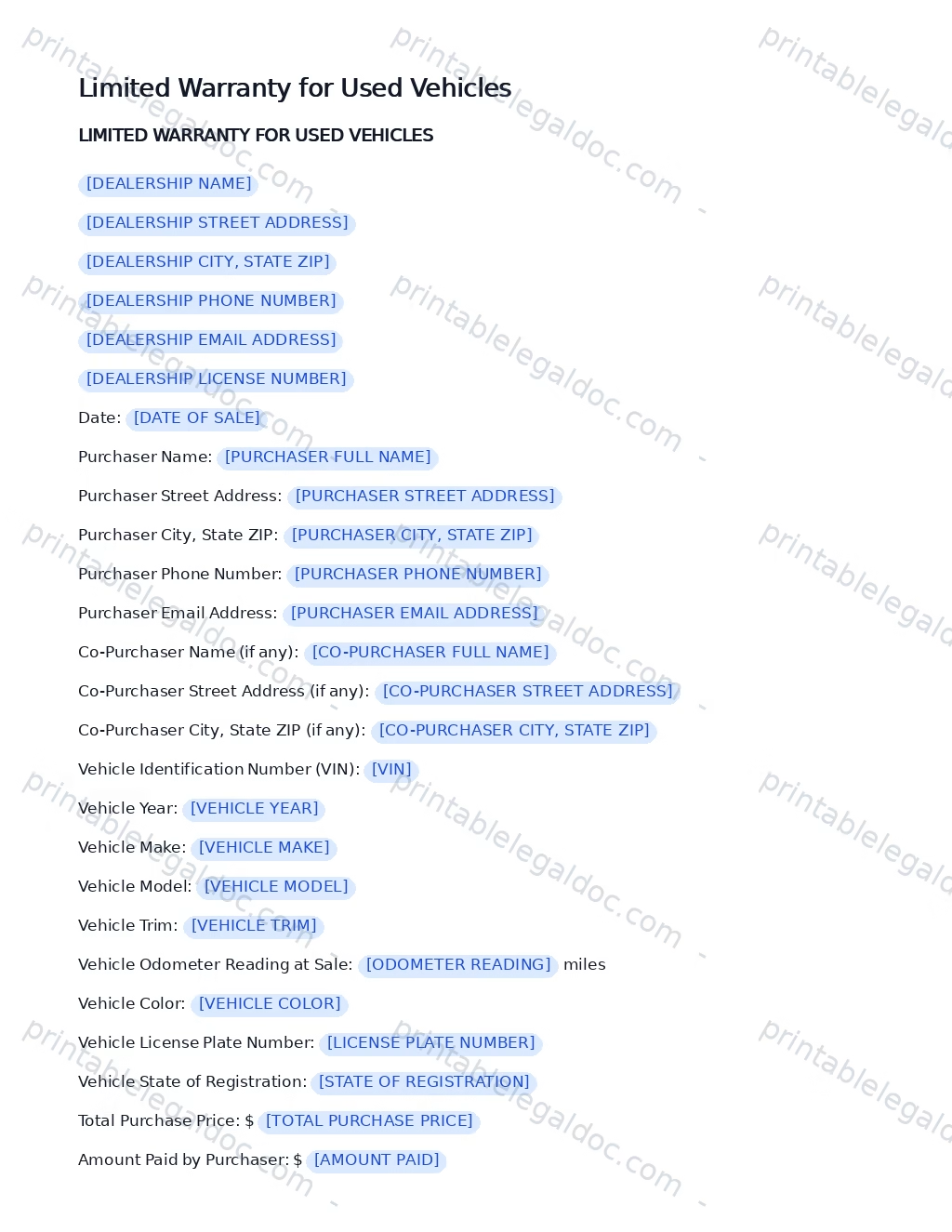
A limited warranty for used vehicles covers specific repairs for a set time. It does not cover everything. Wear items like brakes or tires often stay out. This type of warranty may last 30 days or 3,000 miles. Some plans cover the engine and transmission only. Others include air conditioning or electrical systems. Always read the fine print before you buy. Ask what parts are excluded. Check if you must pay a deductible. Keep your repair receipts safe. A good limited warranty gives you peace of mind. It protects you from sudden repair bills. But it is not a full guarantee. Know your coverage before you sign.
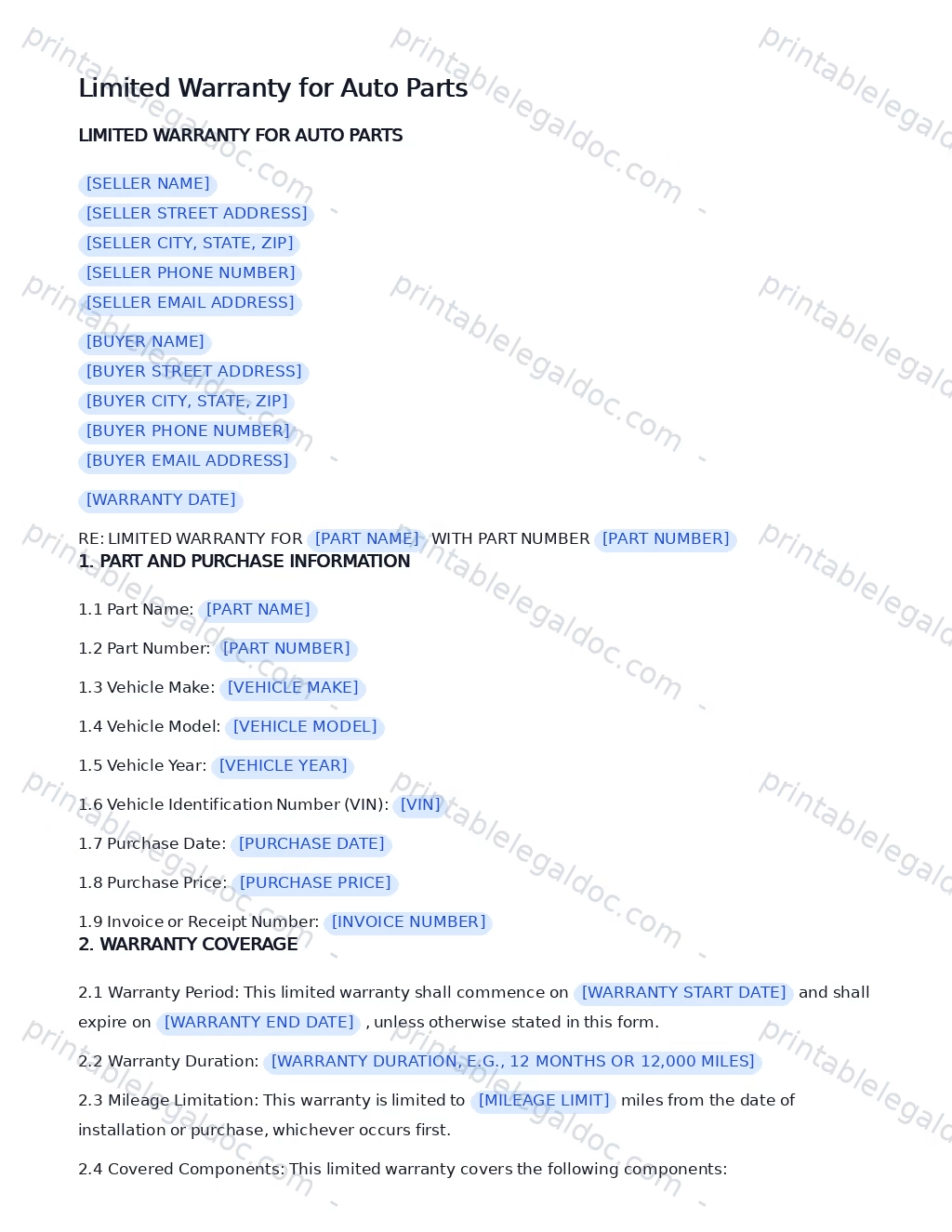
Limited Warranty for Auto Parts
A limited warranty for auto parts covers specific defects. It lasts a set time. That period might be 90 days or a full year. The warranty does not cover normal wear. It also skips damage from misuse or accidents. You must keep your receipt. That proof matters if a part fails. The seller will repair or replace the item. They may refund your money instead. Labor costs often stay outside the deal. Read the fine print before you buy. Some parts carry no warranty at all. Others offer extended coverage for a fee. Know your rights. Ask questions early. This simple step saves you money and stress.
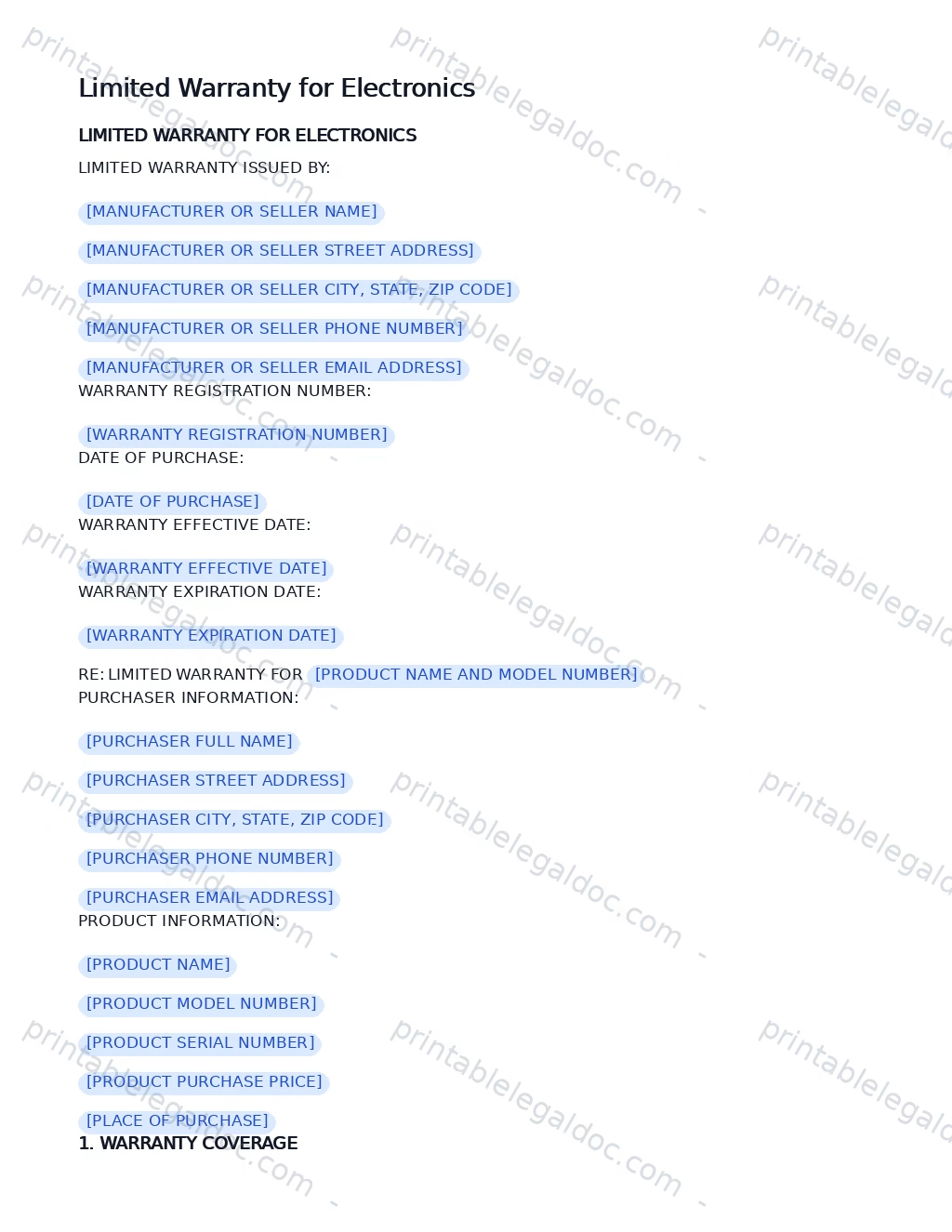
Limited Warranty for Electronics
A limited warranty for electronics covers specific defects. It lasts for a set time. This period often ranges from 90 days to one year. The manufacturer will repair or replace your faulty device. But coverage has limits. It may exclude accidental damage or water harm. You must keep your receipt. Normal wear and tear is not covered. Some brands require you to pay shipping fees. Always read the fine print. Know what your warranty includes. This protects your money and your time. A limited warranty gives you peace of mind. It does not cover every problem. Understand your rights before you buy.
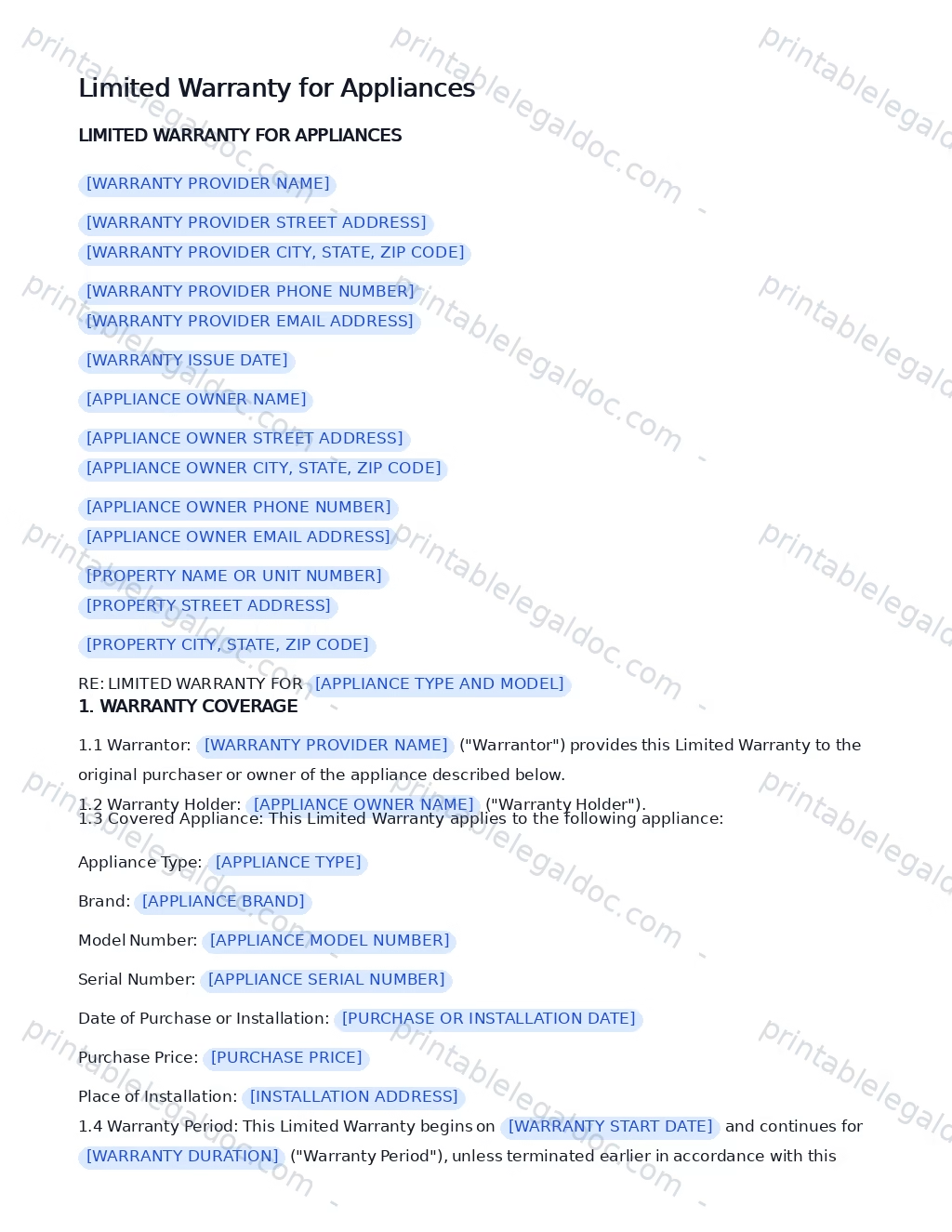
Limited Warranty for Appliances
A limited warranty for appliances covers specific repairs. It lasts a set time. Parts and labor may fall under it. But not every issue qualifies. Normal wear stays out. So does misuse. That means you pay for some fixes yourself. Always read the fine print. Know what your policy includes. Keep your receipt. File claims fast. This small step saves money later.
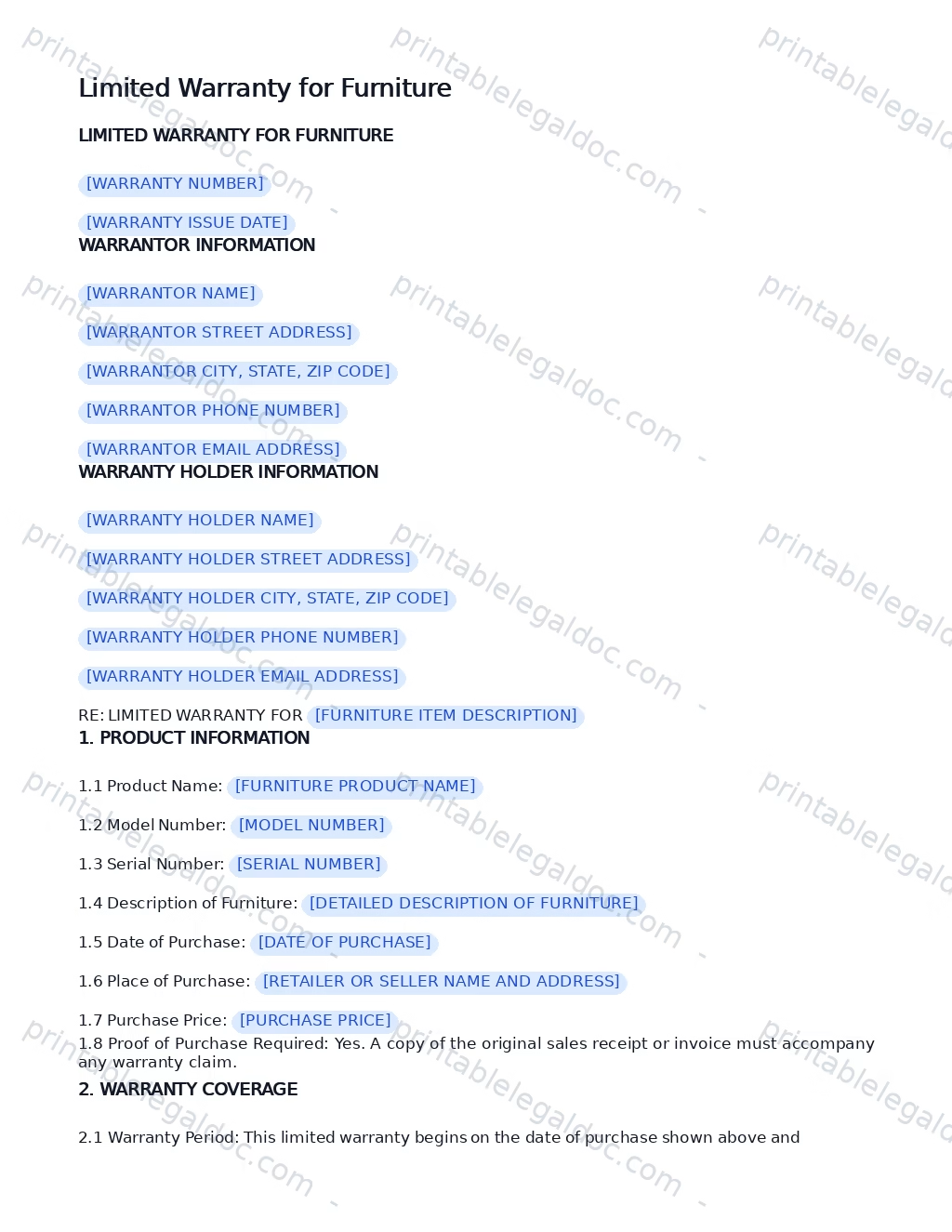
Limited Warranty for Furniture
A limited warranty for furniture covers specific defects. It does not protect against everything. Most policies last one to five years. They often exclude normal wear, stains, or damage from misuse. You must read the fine print. Some brands cover frames and springs. Others only replace parts. Keep your receipt safe. Report issues fast. A limited warranty gives you real protection. But it has clear limits. Know what your plan includes before you buy. That way, you avoid surprise costs later.
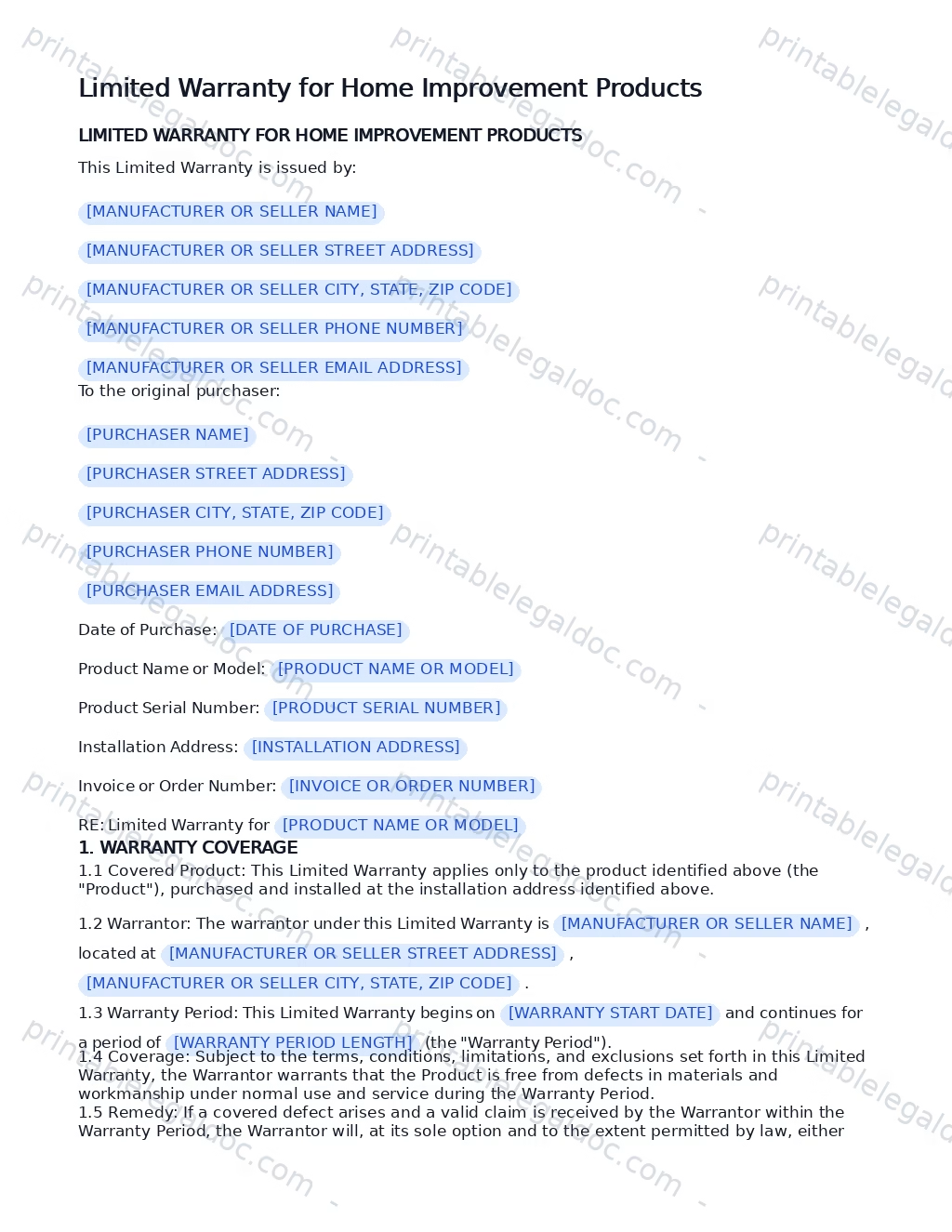
Limited Warranty for Home Improvement Products
A limited warranty covers specific defects in home improvement products. It does not cover everything. Most policies last one to five years. Some last longer. The warranty protects you from faulty materials or poor workmanship. It may cover replacement parts or repair costs. Keep your receipt. Read the fine print. Many warranties exclude normal wear and tear. They also exclude improper installation. That means you must follow the manufacturer's instructions. A limited warranty gives you peace of mind. But it has limits. Know what is covered before you buy. This simple step saves time and money later.
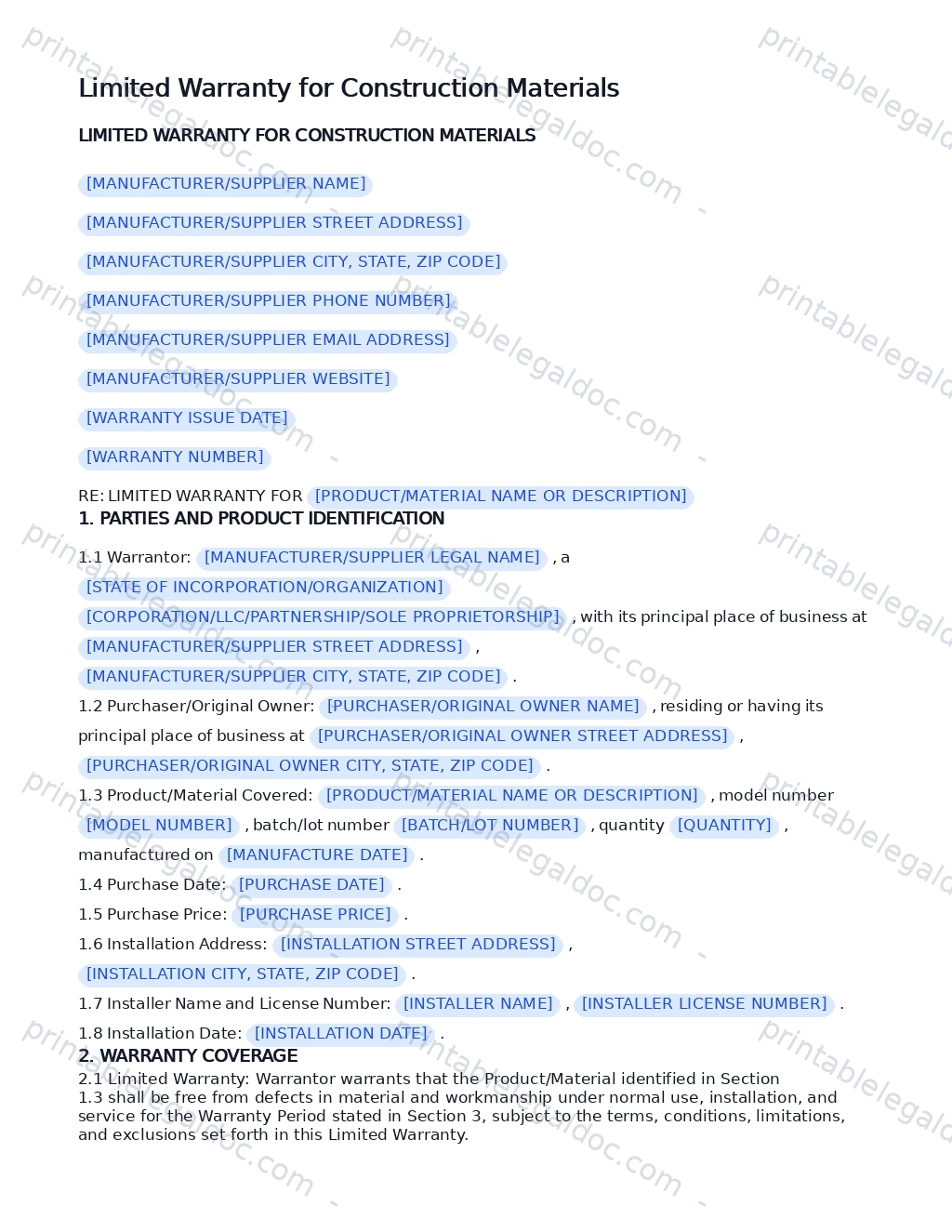
Limited Warranty for Construction Materials
A limited warranty for construction materials covers defects. It does not cover normal wear. The builder promises the product will work as stated. This promise lasts a set time. That period might be one year or ten. After that, the warranty ends. You must report problems fast. Keep your receipts and documents. The warranty may exclude misuse or poor installation. Read the fine print before you buy. Know what is covered and what is not. This protects your project and your budget. Ask questions if something feels unclear. A clear warranty saves you money and stress later.
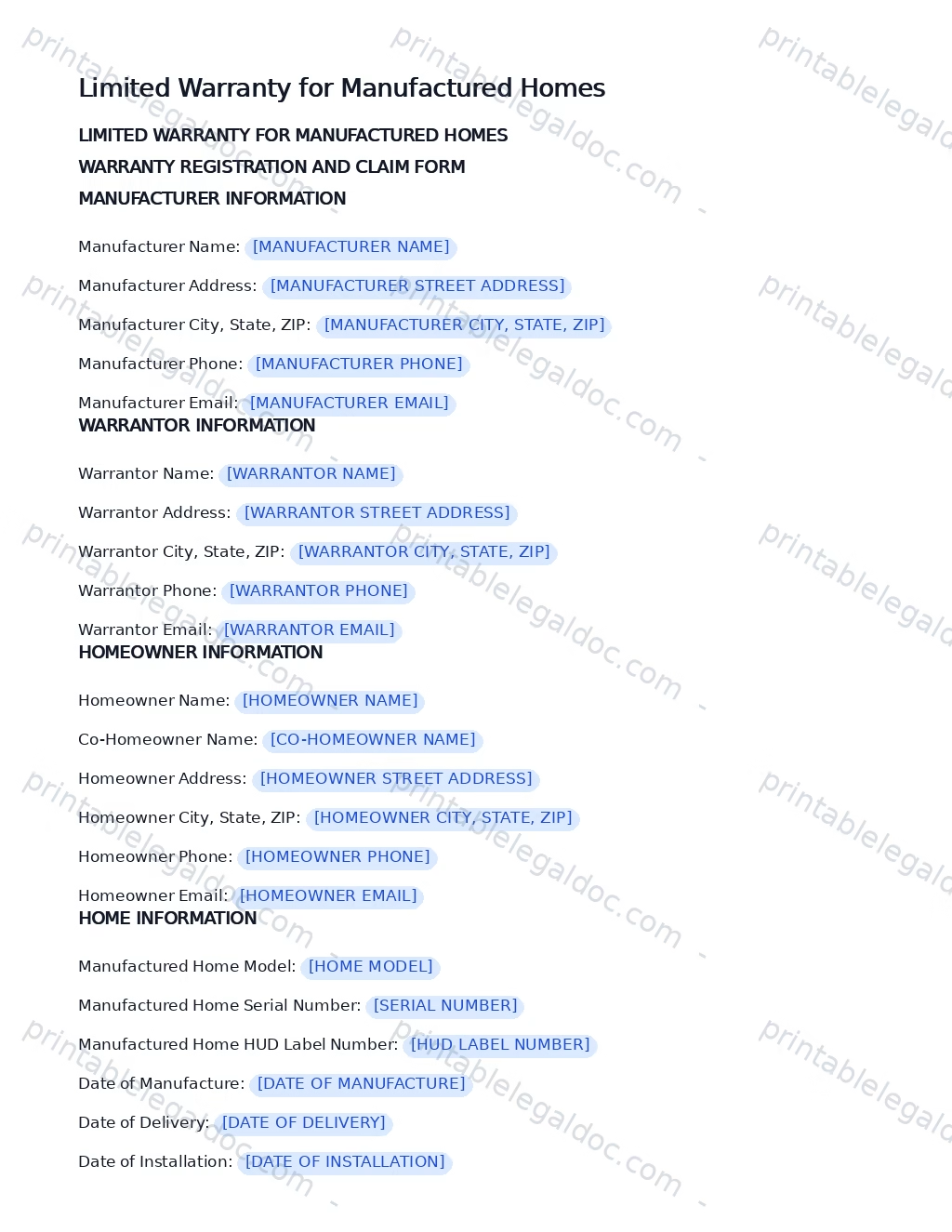
Limited Warranty for Manufactured Homes
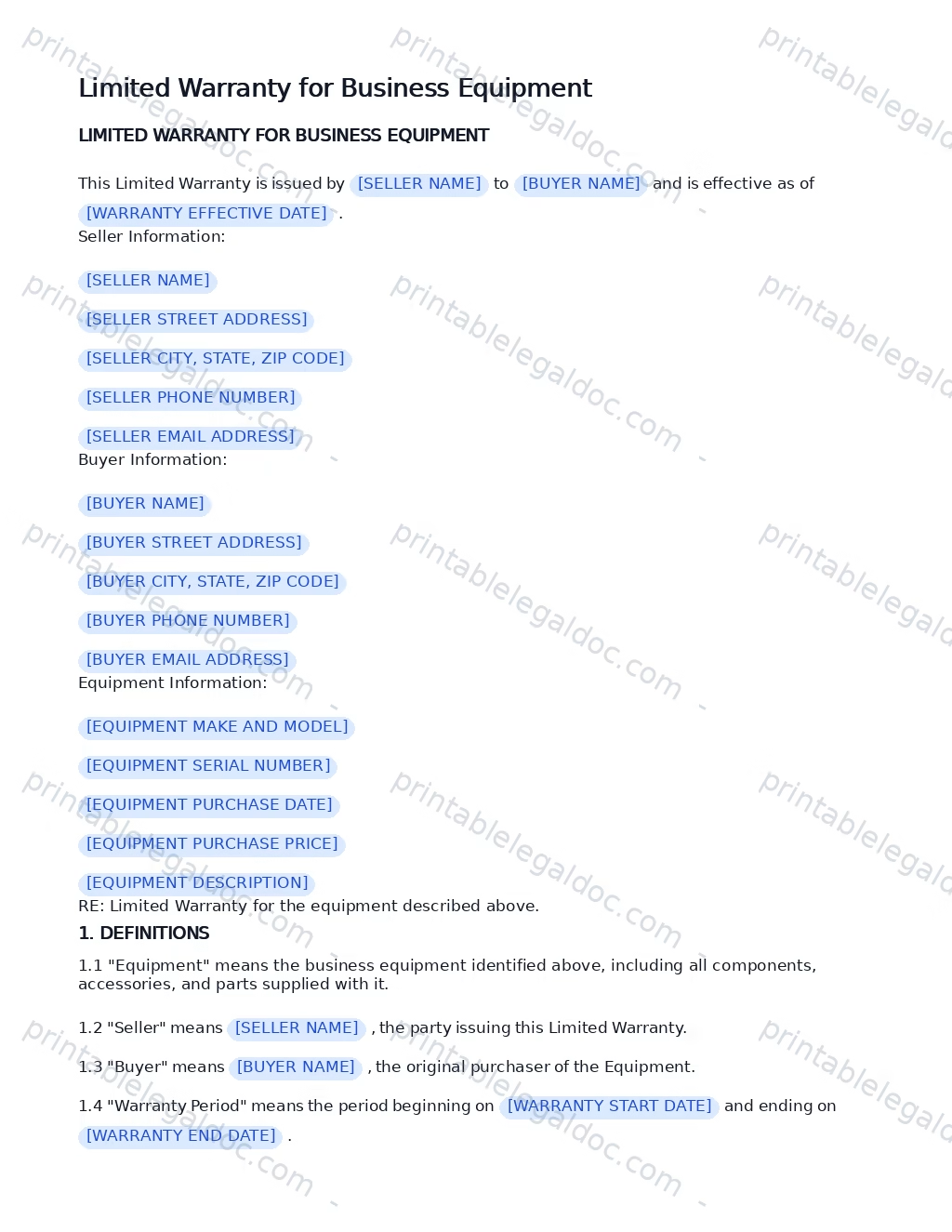
Limited Warranty for Business Equipment
A limited warranty for business equipment covers specific repairs. It lasts a set time. It does not cover every problem. The warranty protects your machines from defects. It may exclude misuse or normal wear. You get peace of mind. Your budget stays safe. A clear warranty helps you plan for downtime. It also builds trust with your team. This template gives you a simple structure. Fill in the blanks. Adjust the terms to fit your gear. Then share it with your staff. Everyone knows what is covered. That cuts confusion fast.
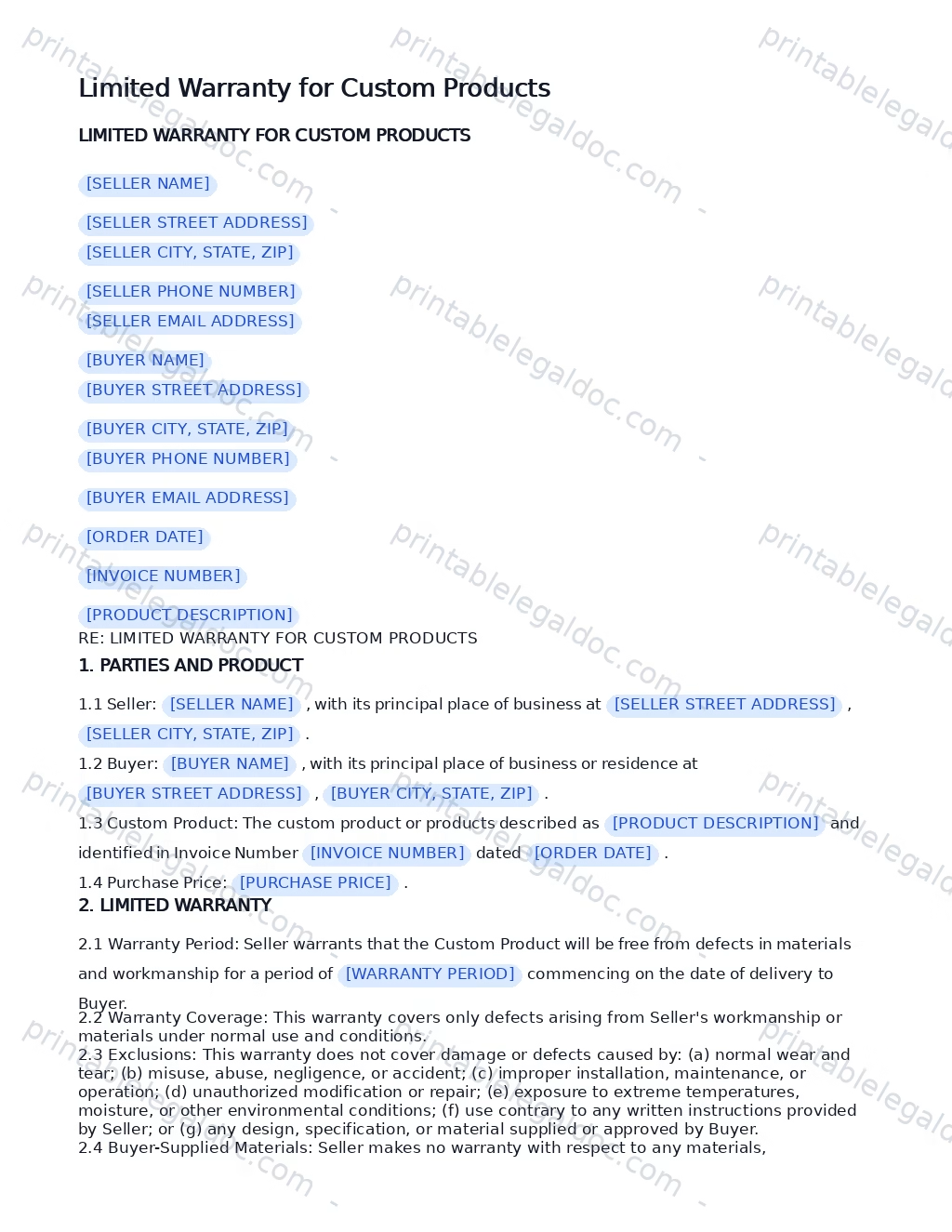
Limited Warranty for Custom Products
A limited warranty for custom products covers specific defects. It does not cover normal wear or misuse. You get protection for a set time. That period often runs 30 to 90 days. The warranty applies to workmanship and materials. It does not cover accidental damage. Custom items are unique. So the terms stay narrow. You must report issues quickly. Keep your receipt and order number. Some sellers repair or replace the item. Others offer a partial refund. Read the fine print before you buy. Know what is covered and what is not. That way you avoid surprises later.
Limited Warranty
Frequently Asked Questions
What is a limited warranty?
A limited warranty is a warranty that provides specific, limited coverage rather than covering every possible defect or problem. It typically states exactly what is covered, how long the coverage lasts, and what the manufacturer or seller will do if a covered issue arises. Because the terms are limited, some defects or situations may fall outside the warranty's protection.
What does a limited warranty usually cover?
A limited warranty generally covers only the specific defects or problems that are spelled out in the warranty document. The warranty language defines the scope of coverage, so anything not listed is typically excluded. Reading the terms carefully is the best way to understand what is and is not covered.
How long does a limited warranty last?
The length of a limited warranty is set by the warranty itself and can vary from product to product. The warranty document states the duration of coverage, which may differ for different parts or components. Once the stated period ends, the warranty no longer applies.
What is the difference between a limited warranty and a full warranty?
A full warranty generally provides broader coverage and fewer restrictions than a limited warranty. A limited warranty, by contrast, covers only what is expressly stated and may include specific exclusions or conditions. The key distinction lies in how much protection the warranty actually provides.
What is typically excluded from a limited warranty?
A limited warranty usually excludes anything that is not specifically listed as covered. Common exclusions can include damage caused by misuse, accidents, or unauthorized repairs, depending on the warranty terms. The warranty document itself is the authoritative source for what is excluded.
Does a limited warranty cover labor and parts?
Whether labor and parts are covered depends on the specific terms of the limited warranty. Some limited warranties cover both, while others cover only one or place conditions on coverage. The warranty document will specify what is included.
What should I do if I need to make a limited warranty claim?
To make a claim, you should follow the procedures described in the warranty document. This often involves contacting the manufacturer or seller and providing proof of purchase and details about the problem. Following the stated process helps ensure your claim is handled properly.
Can a limited warranty be transferred to another owner?
Whether a limited warranty can be transferred depends on the terms set out in the warranty. Some warranties are limited to the original purchaser, while others may allow transfer under certain conditions. The warranty document will state whether transfer is permitted.
Is a limited warranty the same as an extended warranty?
No, a limited warranty and an extended warranty are not the same thing. A limited warranty is typically included with the product and defines the manufacturer's or seller's obligations, while an extended warranty is a separate agreement that may add coverage. Each has its own terms and conditions.
Do I have legal rights beyond a limited warranty?
A limited warranty does not necessarily eliminate other rights you may have under applicable law. Consumer protection laws may provide additional remedies independent of the warranty. The warranty terms and the relevant law together determine your full set of rights.