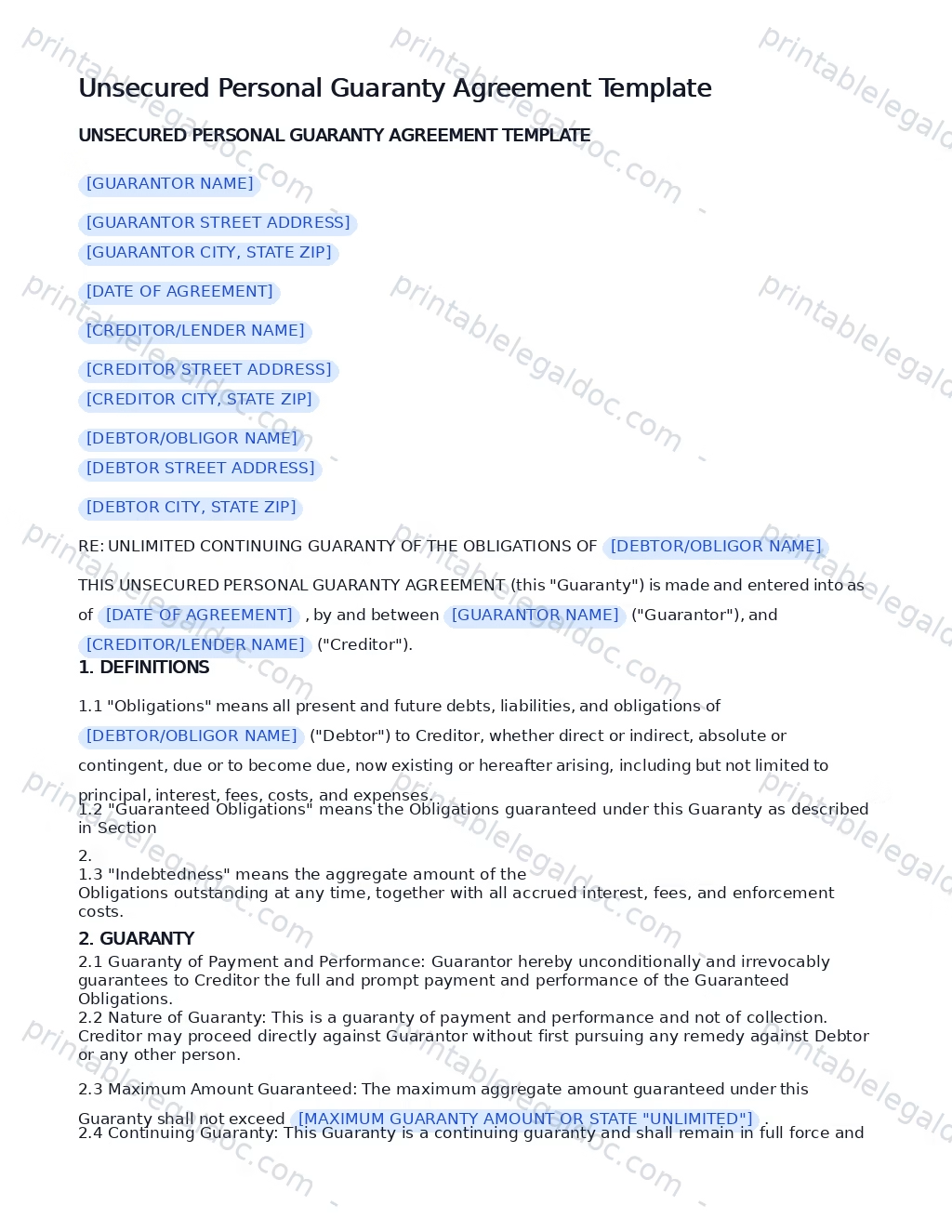
Unsecured Personal Guaranty Agreement Template
An unsecured personal guaranty agreement template gives you a ready to use contract for backing a loan with personal assets. No collateral sits behind this promise. The guarantor simply pledges full repayment if the borrower defaults. Our template spells out every key term in clear language. You get sections for party details, loan amount, repayment duties and default triggers. Each clause follows plain wording so both sides understand the risk. Small lenders and business partners rely on this document to close deals fast. Skip costly legal drafting and start with a proven structure. Download the template today and customize it for your next agreement.
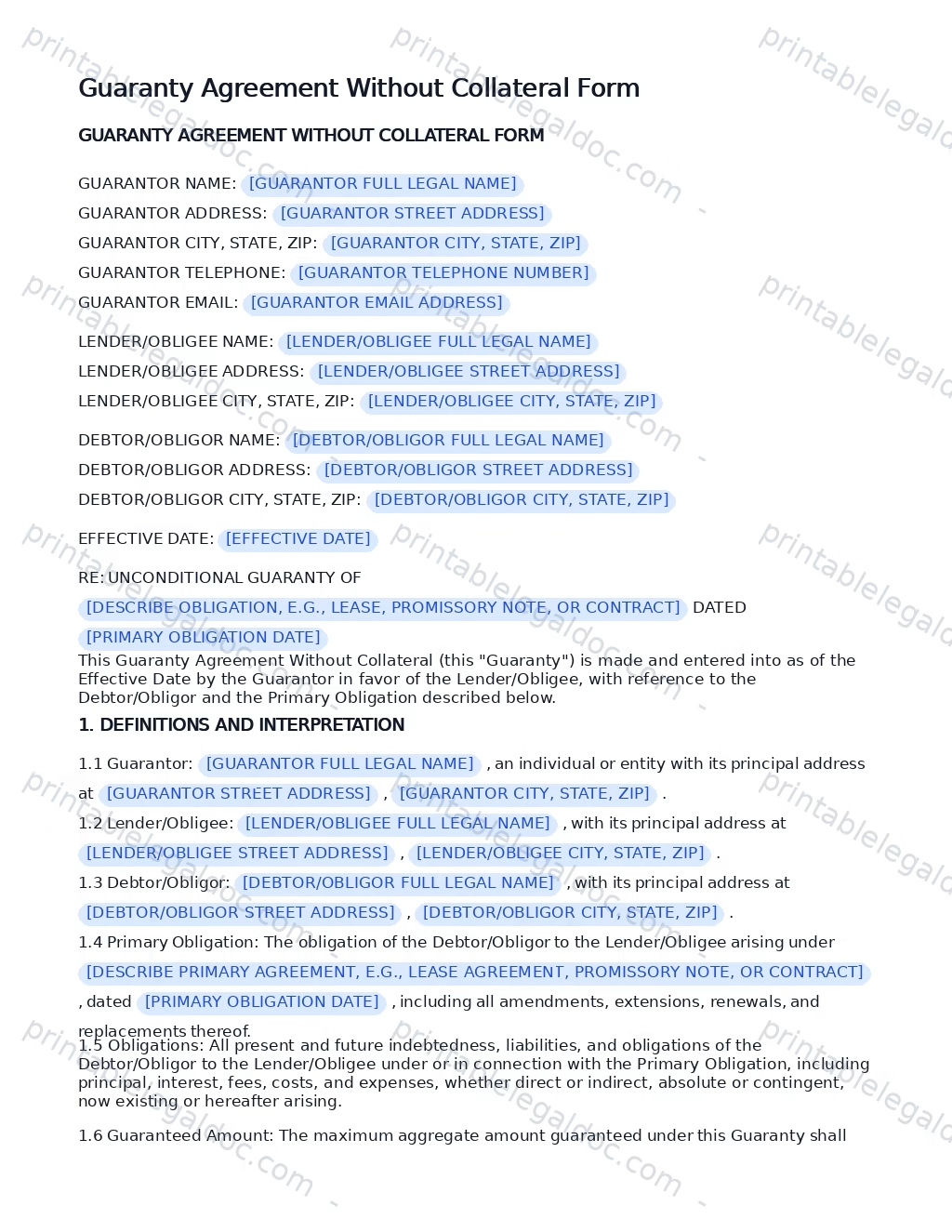
Guaranty Agreement Without Collateral Form
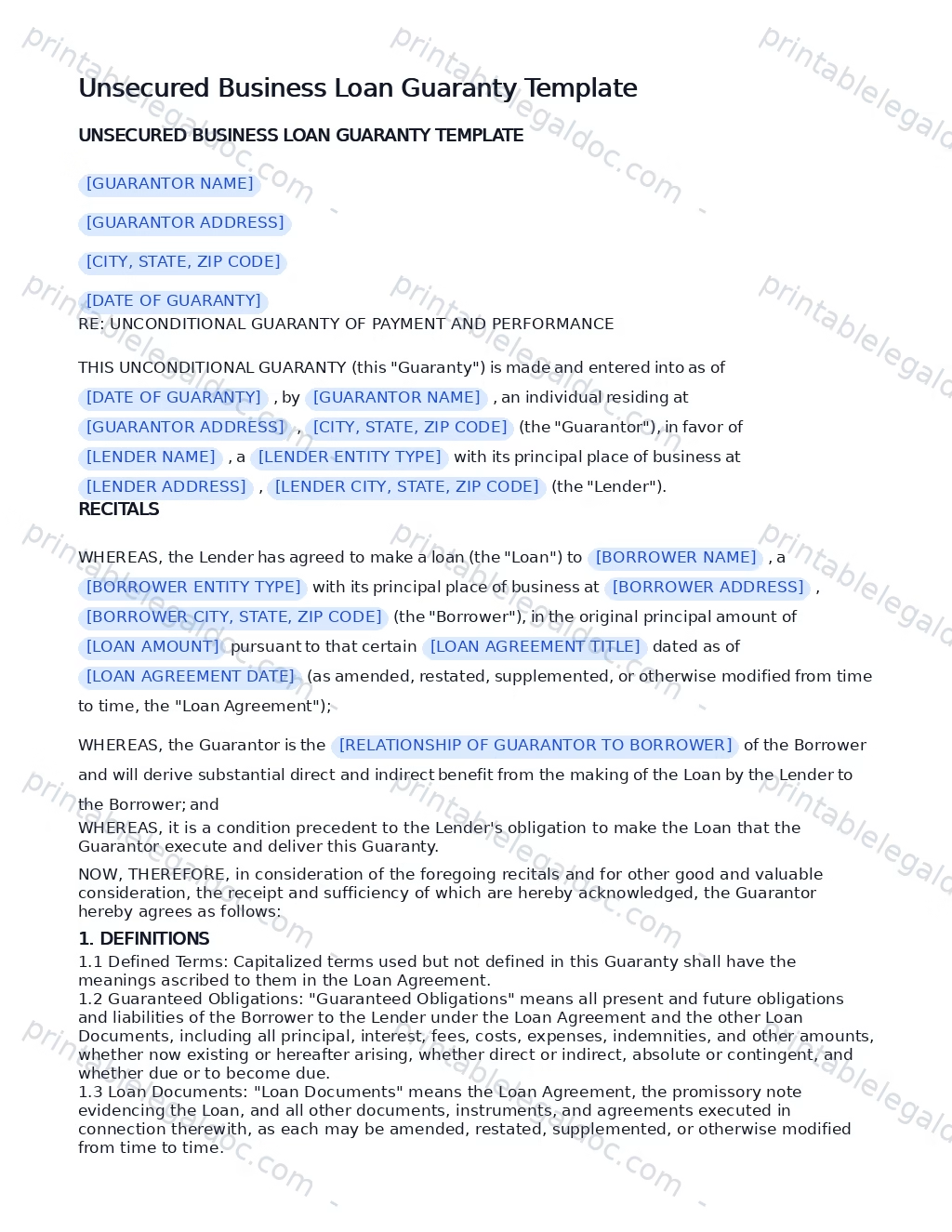
Unsecured Business Loan Guaranty Template
An unsecured business loan guaranty template gives lenders a written promise of repayment. No collateral backs this promise. The guarantor signs to cover the debt if the borrower defaults. This simple document protects the lender and clarifies risk for everyone. It spells out the guaranteed amount, the repayment terms, and the guarantor's duties. Clear language keeps the deal fair. Small businesses often use this template when they lack assets to pledge. A strong guaranty shows serious commitment. It can help a loan move forward faster. Read every clause before signing. Then confirm the terms match your agreement. A solid template saves time and prevents confusion later.
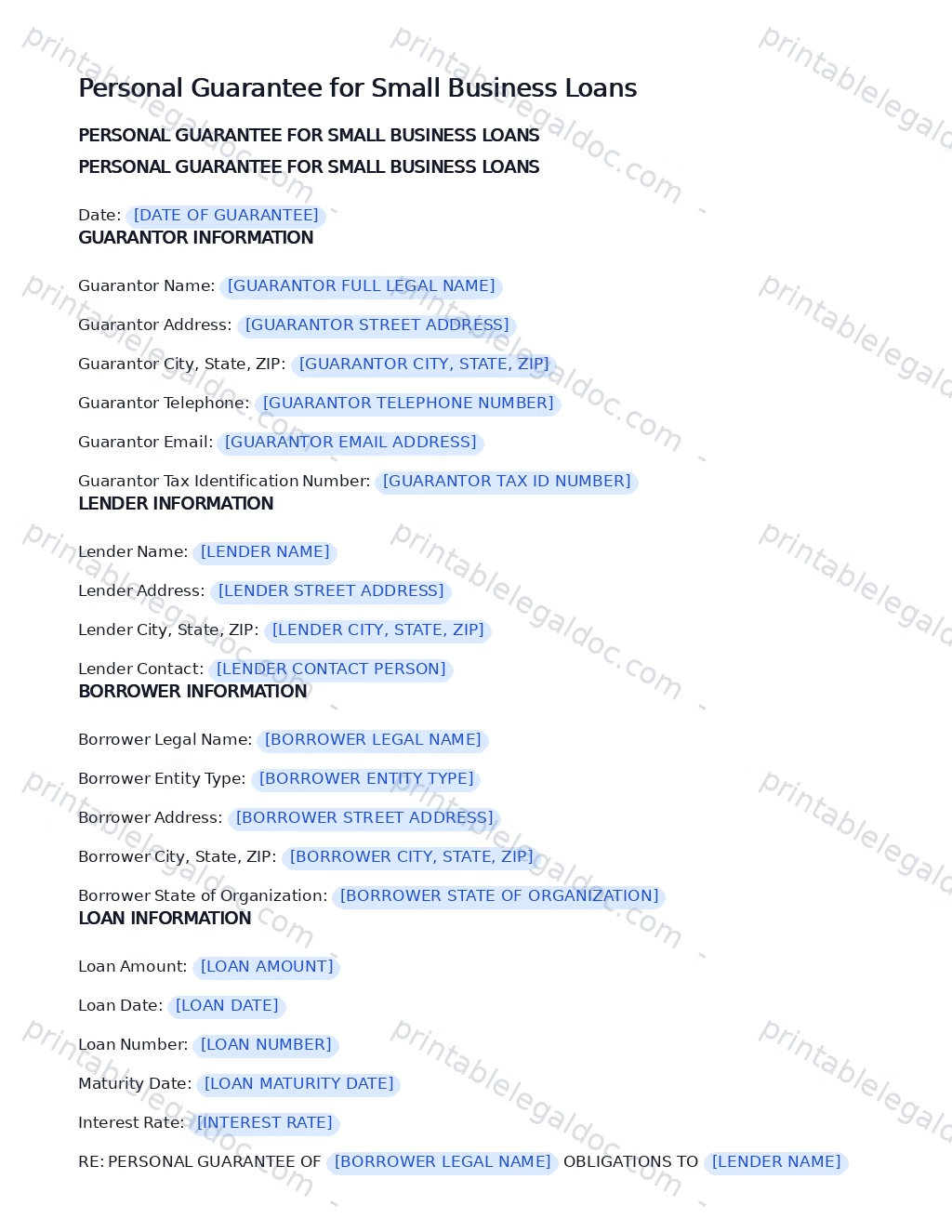
Personal Guarantee for Small Business Loans
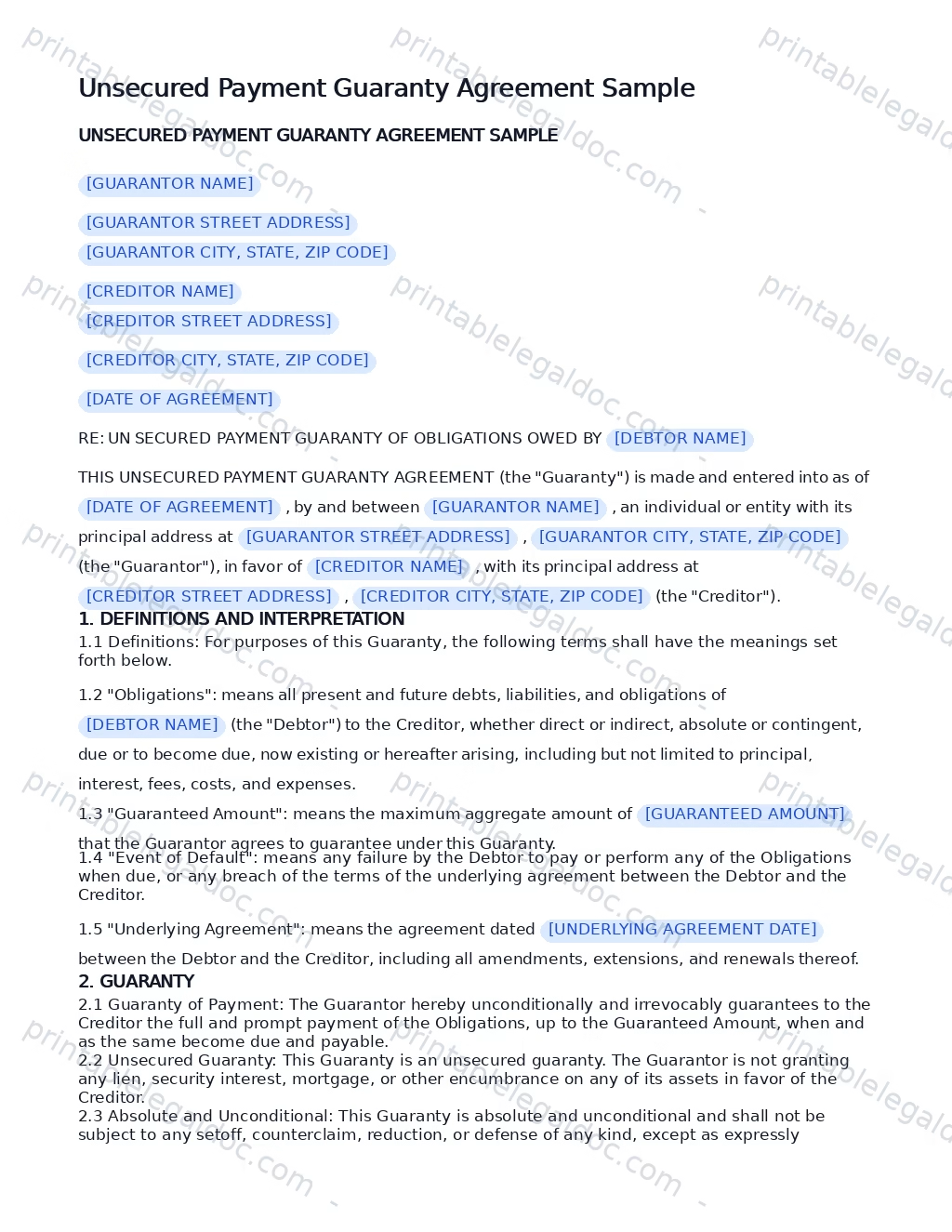
Unsecured Payment Guaranty Agreement Sample
An unsecured payment guaranty agreement sample shows you how to promise payment without collateral. It protects a lender if a borrower fails to pay. The document names the guarantor. It states the guaranteed amount. It sets clear payment terms. You also find default clauses and notice rules inside. This template removes guesswork from a complex legal task. Small businesses use it to secure credit. Landlords use it to back a lease. Read every clause before signing. Make sure the terms match your deal. A solid sample saves time and reduces risk. Get the wording right from the start.
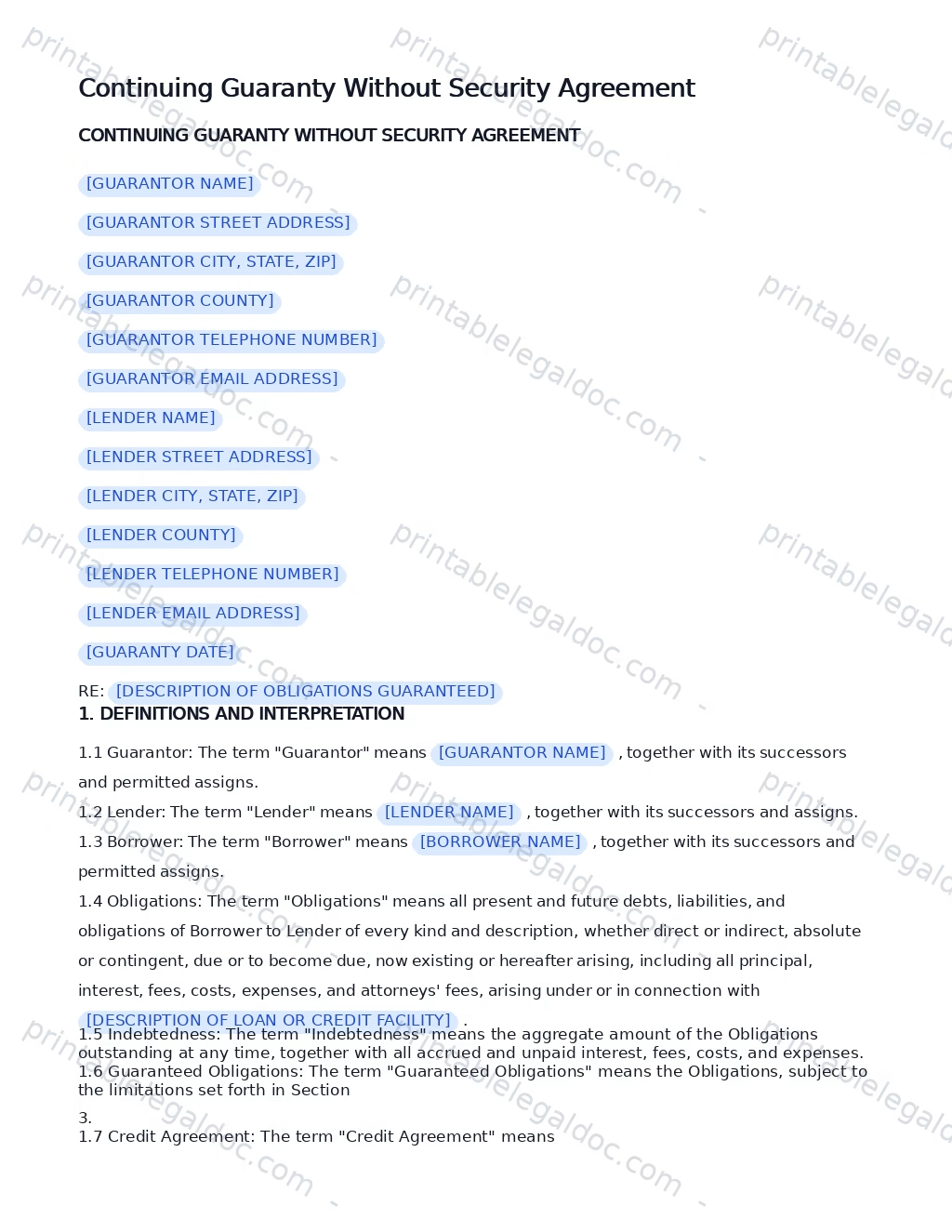
Continuing Guaranty Without Security Agreement
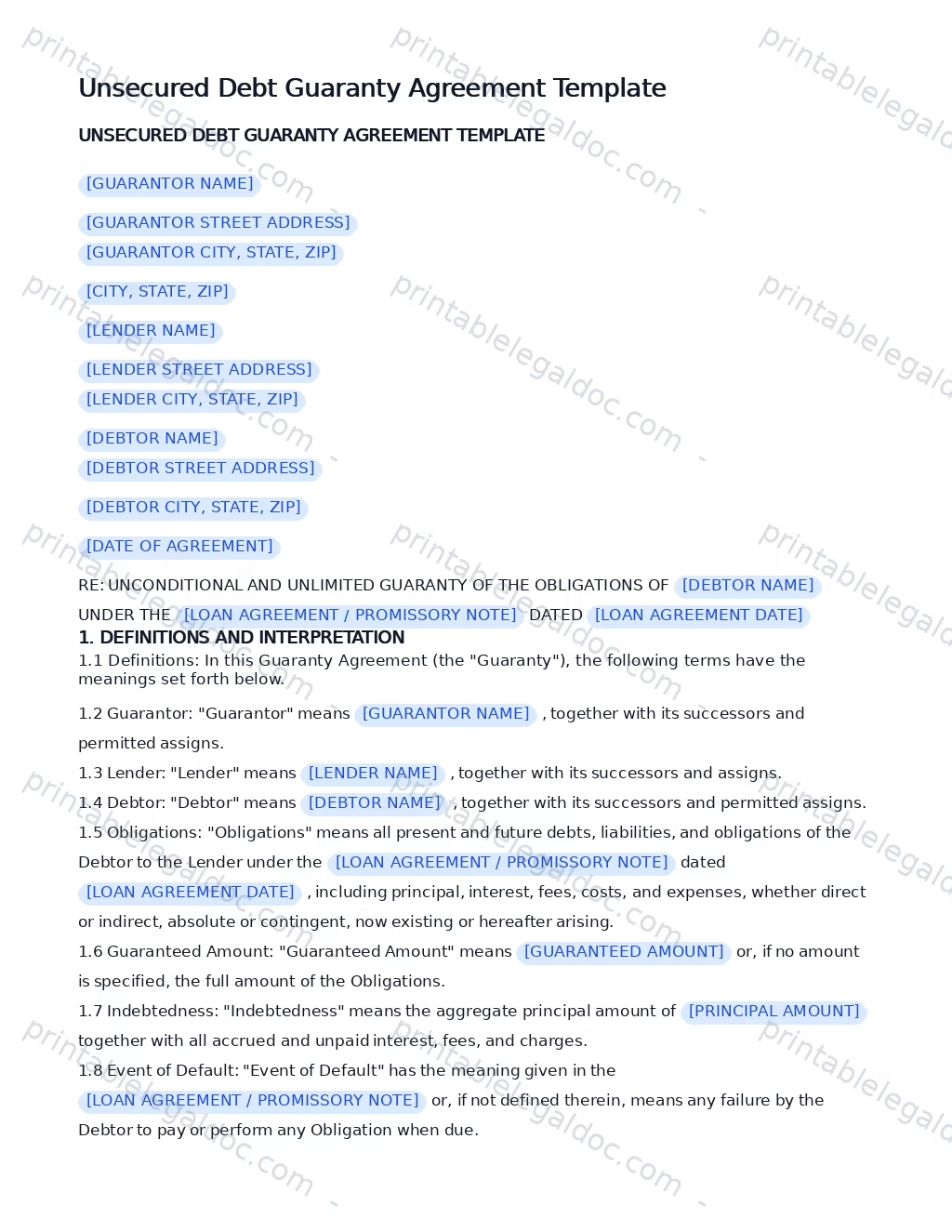
Unsecured Debt Guaranty Agreement Template
Use this Unsecured Debt Guaranty Agreement Template to formalize a promise to repay debt without collateral. It outlines the guarantor's obligations, repayment terms, and default conditions in clear language. The document covers parties, debt amount, and liability limits. It also addresses notice requirements and governing law. Simple structure helps both parties understand their rights and duties. You can customize each section to match your specific lending arrangement. This template works for personal loans and business credit deals. It saves time and reduces confusion during negotiation. Review all clauses with a legal professional before signing.
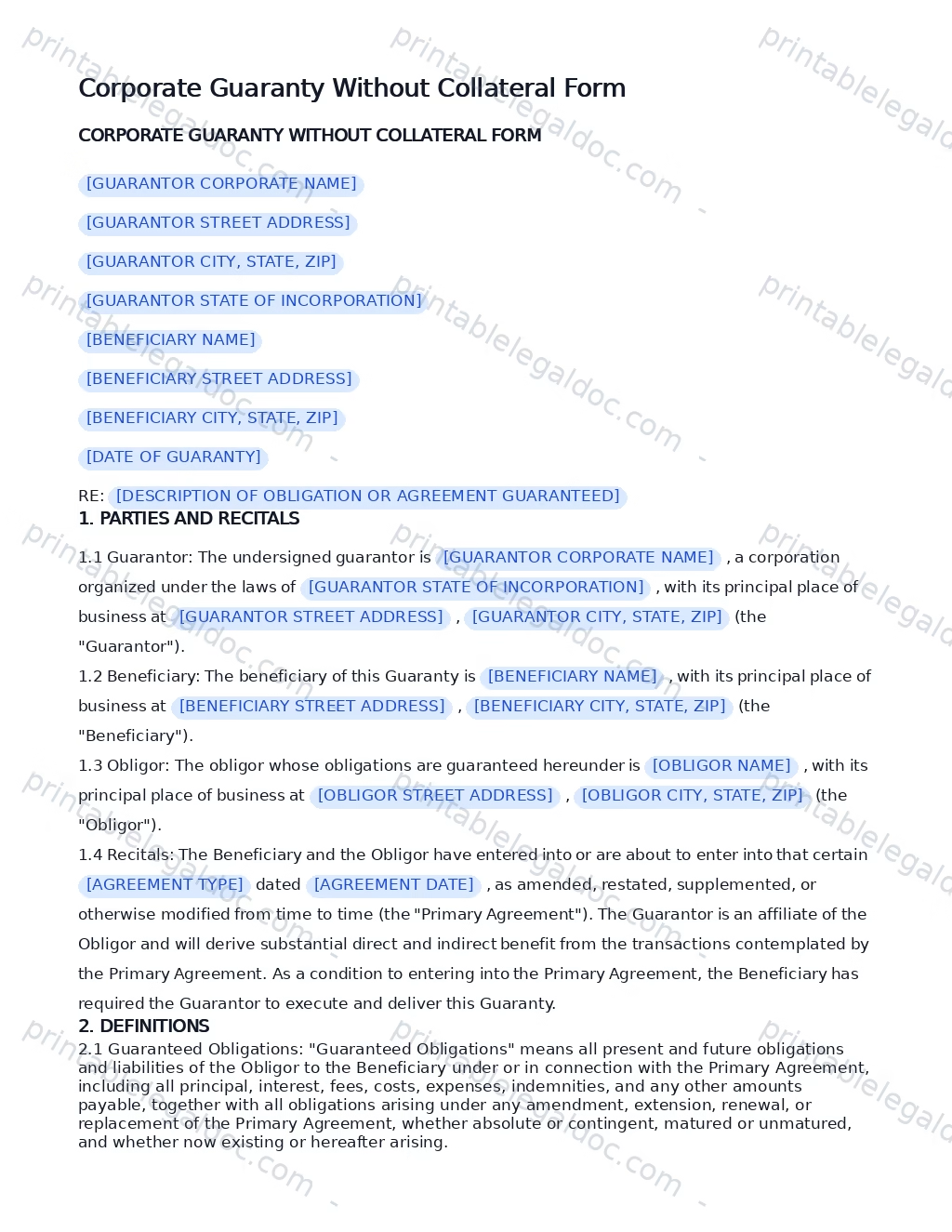
Corporate Guaranty Without Collateral Form
A corporate guaranty without collateral form lets a company back another party's obligation using its own credit strength. No property gets pledged. The guarantor signs a promise to pay if the borrower defaults. This template captures the key terms in clear language. It names the parties and defines the guaranteed amount. You also get sections for notice, governing law, and termination. Lenders use this form when a parent company supports a subsidiary. Business partners use it to secure trade credit. The document reduces risk without tying up assets. Review local rules before signing. Each clause should match the deal you struck.
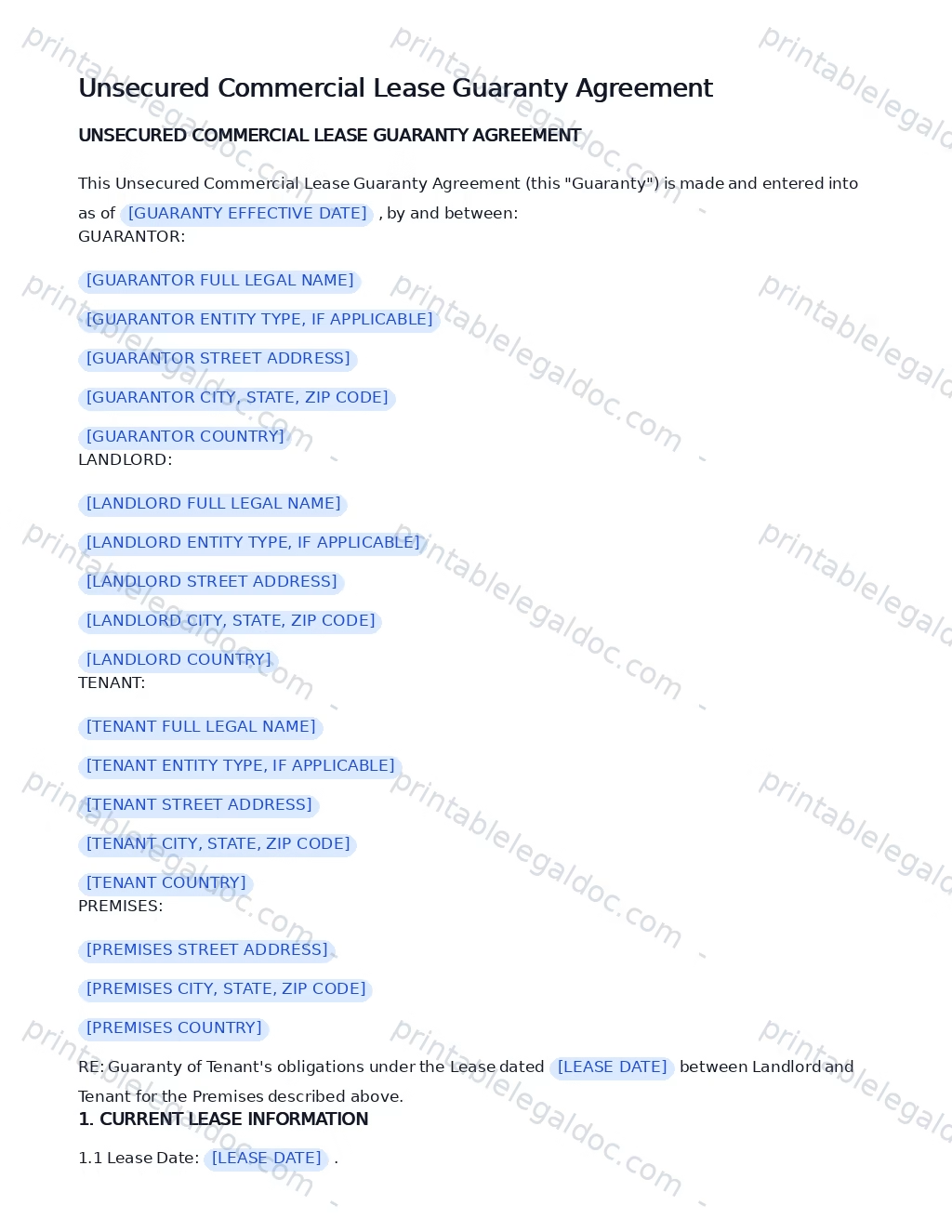
Unsecured Commercial Lease Guaranty Agreement
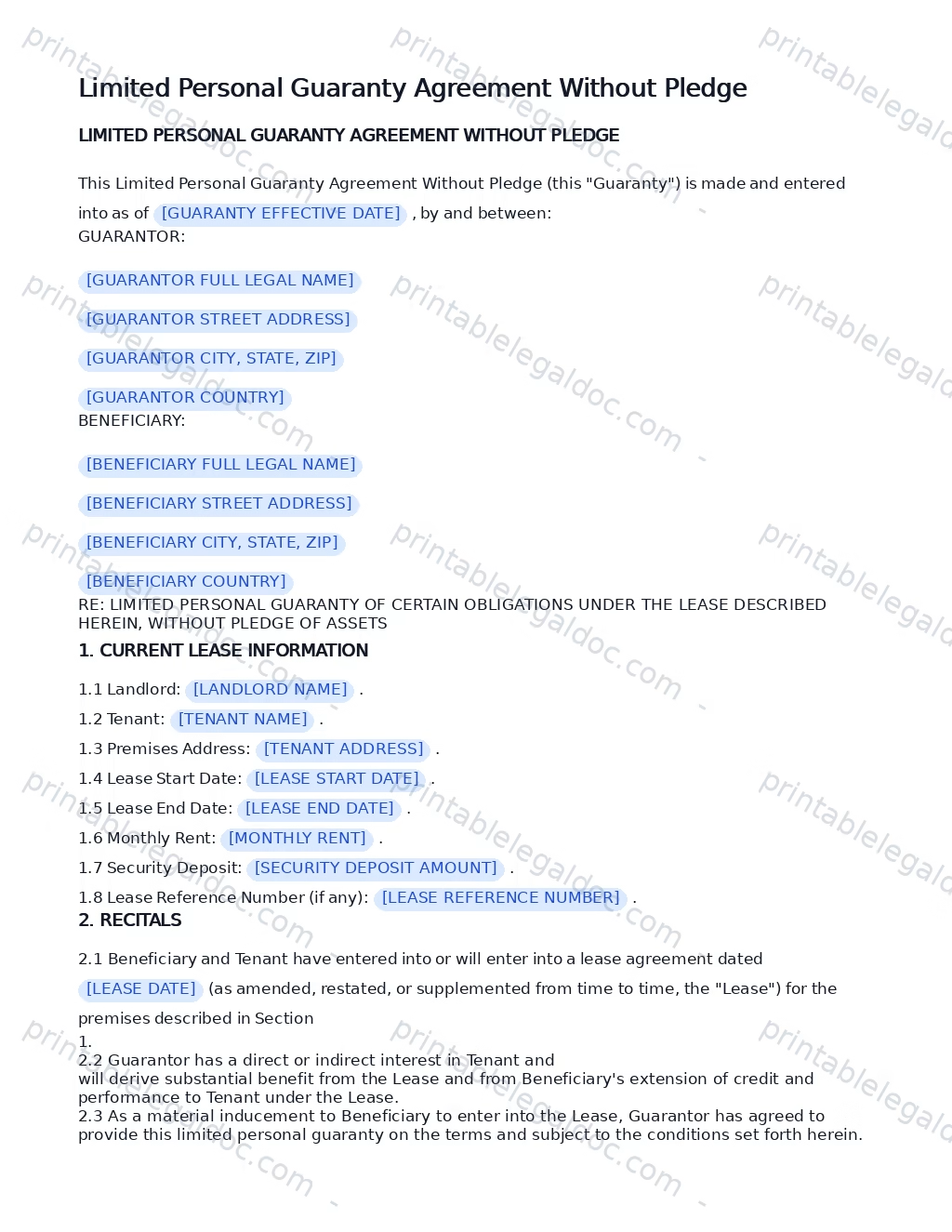
Limited Personal Guaranty Agreement Without Pledge
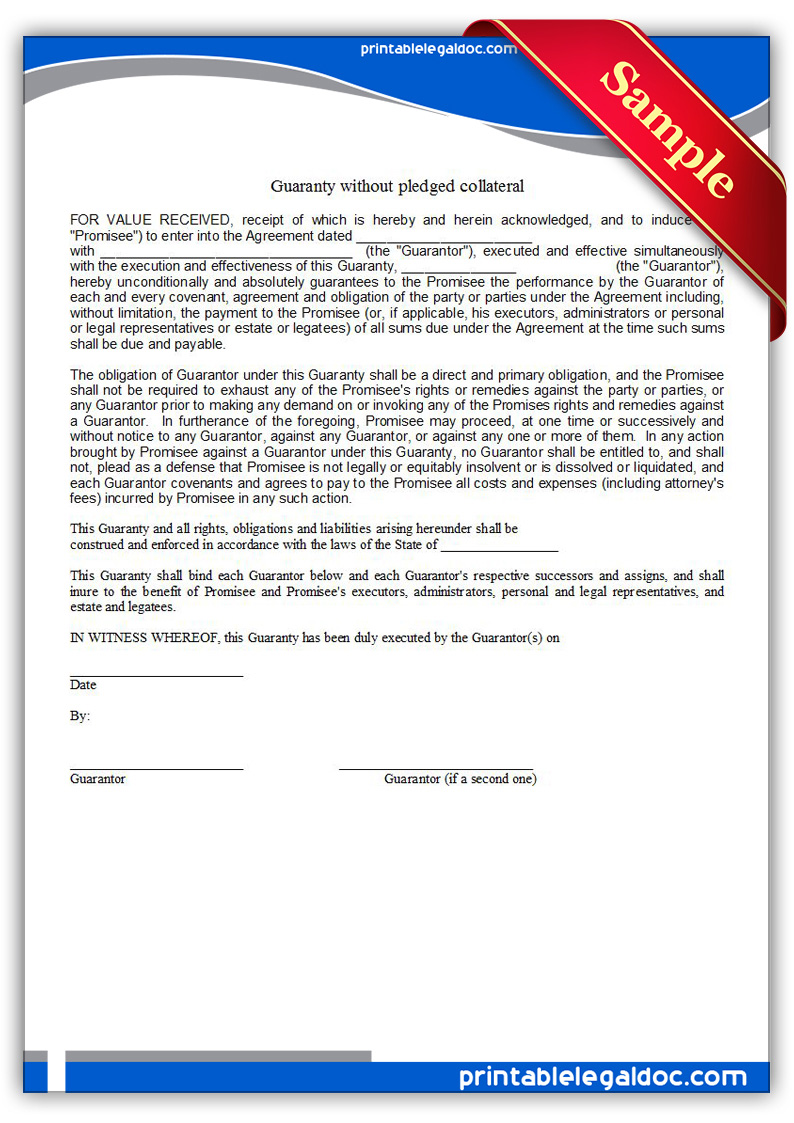
Guaranty With No Pledge
Guaranty without pledged collateral
FOR VALUE RECEIVED, receipt of which is hereby and herein acknowledged, and to induce (the “Promisee”) to enter into the Agreement dated _______________________
with _________________________________ (the “Guarantor”), executed and effective simultaneously with the execution and effectiveness of this Guaranty, _______________ (the “Guarantor”), hereby unconditionally and absolutely guarantees to the Promisee the performance by the Guarantor of each and every covenant, agreement and obligation of the party or parties under the Agreement including, without limitation, the payment to the Promisee (or, if applicable, his executors, administrators or personal or legal representatives or estate or legatees) of all sums due under the Agreement at the time such sums shall be due and payable.The obligation of Guarantor under this Guaranty shall be a direct and primary obligation, and the Promisee shall not be required to exhaust any of the Promisee’s rights or remedies against the party or parties, or any Guarantor prior to making any demand on or invoking any of the Promises rights and remedies against a Guarantor. In furtherance of the foregoing, Promisee may proceed, at one time or successively and without notice to any Guarantor, against any Guarantor, or against any one or more of them. In any action brought by Promisee against a Guarantor under this Guaranty, no Guarantor shall be entitled to, and shall not, plead as a defense that Promisee is not legally or equitably insolvent or is dissolved or liquidated, and each Guarantor covenants and agrees to pay to the Promisee all costs and expenses (including attorney’s fees) incurred by Promisee in any such action.
This Guaranty and all rights, obligations and liabilities arising hereunder shall be
construed and enforced in accordance with the laws of the State of _________________This Guaranty shall bind each Guarantor below and each Guarantor’s respective successors and assigns, and shall inure to the benefit of Promisee and Promisee’s executors, administrators, personal and legal representatives, and estate and legatees.
IN WITNESS WHEREOF, this Guaranty has been duly executed by the Guarantor(s) on
_________________________
DateBy:
_________________________ ____________________________
Guarantor Guarantor (if a second one)
Guaranty
Review ListThis review list is provided to inform you about the document in question and to assist you in completing it.
1. A Guaranty is similar to a Promissory Note because it creates a conditional obligation to pay a debt. Proper accounting requires that the Guaranty be shown as a liability on the personal financial statements of the Guarantor or Guarantors. In other words, this is a very serious financial commitment and the Guarantor should be sure to seek business advice before undertaking this kind of serious financial commitment and assure him or herself that the benefits of the Agreement being guaranteed are worth the financial risk being taken by being a Guarantor to this Agreement.
2. If you are the Promisee, or the recipient of the benefit of the Guarantor’s signature, and the Guarantor is a corporation, make sure that the person signing the Guaranty is authorized by his or her corporation to sign and that the Guaranty does not violate any provision in the corporation’s Articles of Incorporation or Bylaws.
3. The Promisee should understand that this guarantee is a “promise” not a guarantee of payment under the original Agreement or under this guarantee by the Guarantor or Guarantors. A Guaranty is only as good as the financial condition of the Guarantor except in those instances under a guarantee when collateral is required in the form of a pledge of certain assets such as real estate, stocks or bonds, or other liquid financial instruments. This is a standard guarantee without a provision for collateral to be provided to secure the Guaranty.
4. As with all documents, laws vary from state to state and change over time. Before using this document, have a lawyer review it before signing it.
5. In addition, if you are forced to seek collection under this Guaranty, your state laws may require that certain actions first be taken against the party that created the original obligation, up to and including filing a lawsuit. Consult an attorney if enforcement of the Guaranty becomes an issue.
6. The Promisee should keep the original Guaranty with the note or other instrument that is guaranteed in a secure location such as a home safe and have copies made and stored, preferably, with your attorney and/or accountant.
7. If you are in a business or situations of dealing with financially fragile or unstable entities, such as with young adults or new companies, we strongly recommend you use this guaranty to back up rent payments (perhaps by the parents of a student or a young adult), accounts payable to new firms (by the principals), and other such situations. If you have forms “handy” when the initial transaction is made, it is much easier to gain a signature.
8. Collections under Guaranties are often best made in small steps. First, consider reducing the Guaranty to an agreed upon Promissory Note with interest and collection costs awarded to you if not paid in the additional time you grant for extension (anything from 1 month to several years, depending on your negotiating leverage). If not paid under these terms, seek a court order for judgment under the Promissory Note. As a rule, you are well advised to employ a legal specialist to do this; in this case a Collection Attorney. They are specialists in the field and will often undertake the process on a contingency or percentage basis, if you desire that option.
Frequently Asked Questions
What is a guaranty with no pledge?
A guaranty with no pledge is a legal agreement in which a guarantor unconditionally and absolutely guarantees the performance of another party's obligations under a separate agreement, without pledging any collateral as security. The guarantor's obligation is direct and primary, meaning the promisee can seek enforcement without first pursuing other remedies. This type of guaranty is often used to induce the promisee to enter into the underlying agreement.
What does it mean that the guaranty is unconditional and absolute?
It means the guarantor guarantees the performance of each and every covenant, agreement, and obligation under the Agreement without any conditions or limitations. The guarantor cannot avoid liability based on defenses or conditions that might otherwise apply. This ensures the promisee can rely on the guaranty as a direct and primary obligation.
Is collateral required for a guaranty with no pledge?
No, collateral is not required. The term 'with no pledge' indicates that the guarantor does not provide any assets as security for the guaranty. Instead, the guarantor's unconditional promise to perform serves as the sole basis for the obligation.
What is the difference between a guarantor and a promisee?
The guarantor is the party who guarantees the performance of obligations under the Agreement, while the promisee is the party to whom the guaranty is made and who benefits from it. The promisee can demand performance directly from the guarantor without first exhausting remedies against other parties. This relationship is established in the guaranty document.
Can the promisee demand payment directly from the guarantor?
Yes, the promisee is not required to exhaust any rights or remedies against the party or parties, or any prior guarantor, before making a demand on the guarantor. The guaranty is a direct and primary obligation, allowing the promisee to invoke rights and remedies against the guarantor immediately. This provision is explicitly stated in the guaranty.
What obligations does the guarantor guarantee?
The guarantor guarantees each and every covenant, agreement, and obligation of the party or parties under the Agreement, including the payment of all sums due. This includes payment to the promisee or, if applicable, to executors, administrators, personal or legal representatives, estate, or legatees. The guaranty covers all obligations without limitation.
When does the guaranty become effective?
The guaranty is executed and effective simultaneously with the execution and effectiveness of the underlying Agreement. This means it takes effect at the same time as the Agreement it guarantees. The guaranty is given to induce the promisee to enter into that Agreement.
What does 'for value received' mean in this guaranty?
It acknowledges that the guarantor has received something of value in exchange for providing the guaranty. This recital is standard in contracts to show that consideration exists, making the guaranty enforceable. It helps establish the legal validity of the guaranty.
Who can enforce the guaranty?
The promisee, as the beneficiary of the guaranty, can enforce it. The guaranty is made to induce the promisee to enter into the Agreement, and the promisee has the right to demand performance from the guarantor. The promisee may also invoke rights and remedies without first pursuing other parties.
What happens if the guarantor fails to perform?
If the guarantor fails to perform, the promisee can demand performance directly from the guarantor, as the obligation is direct and primary. The promisee is not required to exhaust remedies against other parties first. The guaranty ensures the promisee can seek enforcement without delay.