

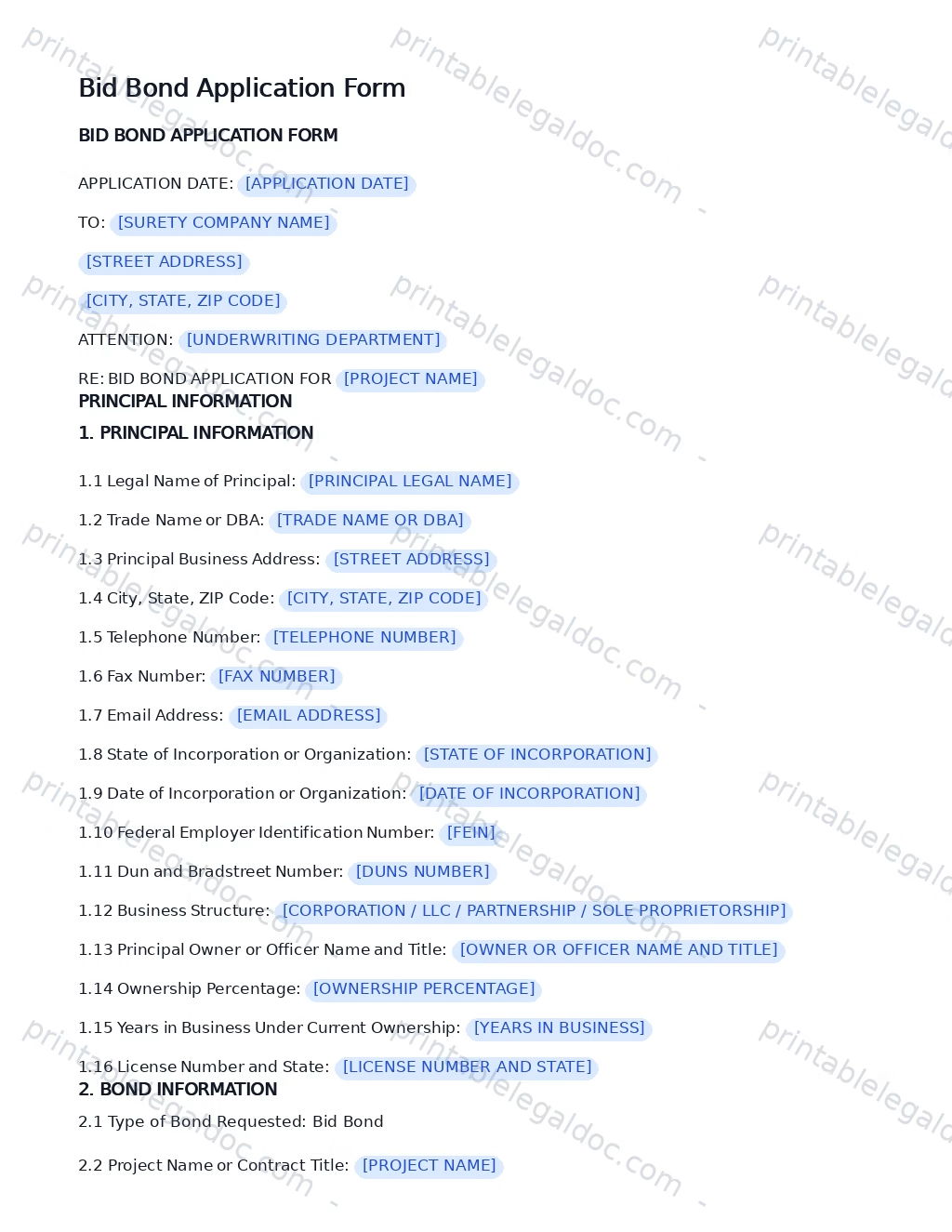
Bid Bond Application Form
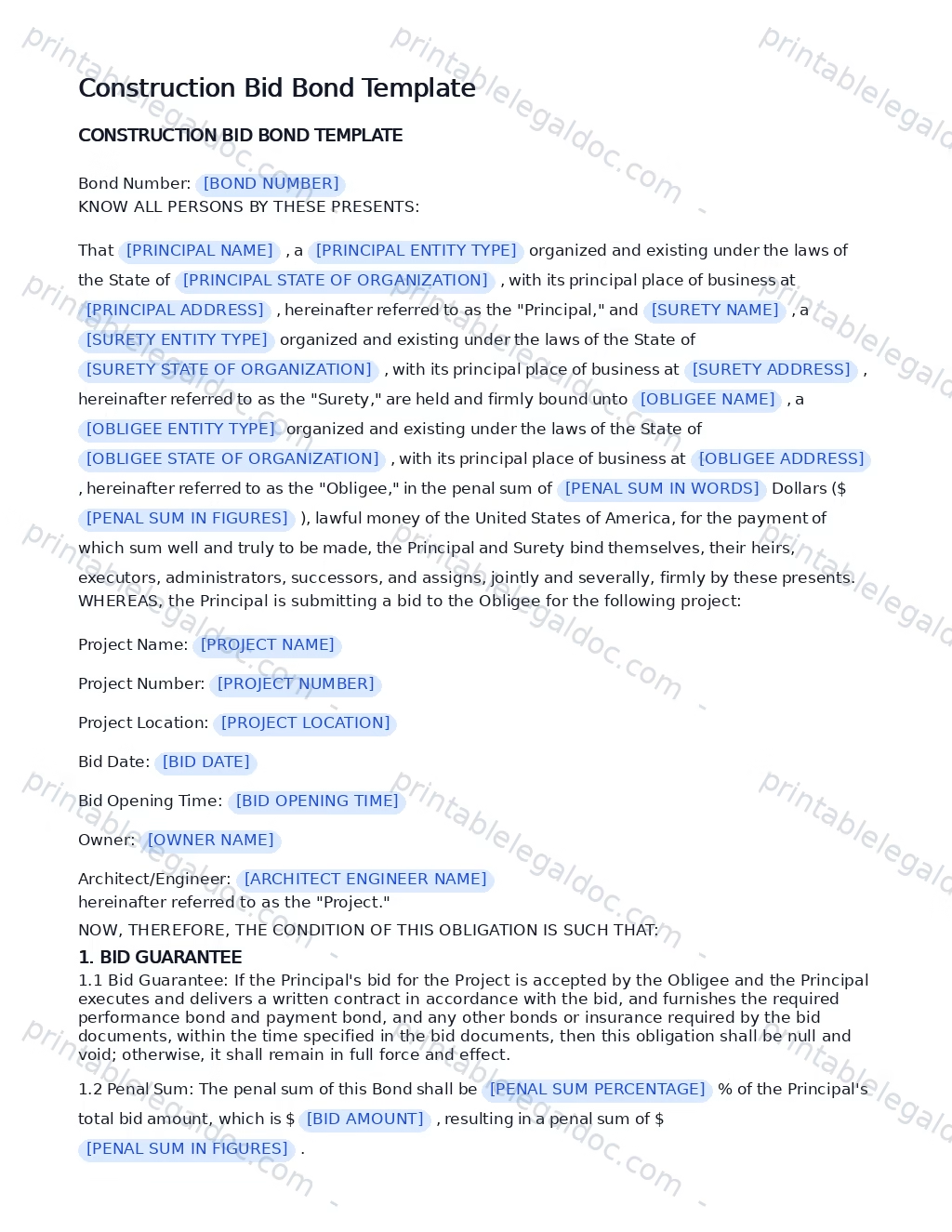
Construction Bid Bond Template
A construction bid bond template helps contractors submit clean, compliant bids. It shows owners you can back your offer with real financial security. The form states the bond amount. It names the project and the obligee. It sets the deadline for acceptance. Every field must match your bid documents exactly. One wrong figure can void your submission. This template saves time. It cuts legal review costs. It keeps your paperwork consistent across every job. Small builders use it to compete with larger firms. General contractors use it to vet subcontractors fast. Fill it out with care. Sign it. Attach it. Then send your bid on time.
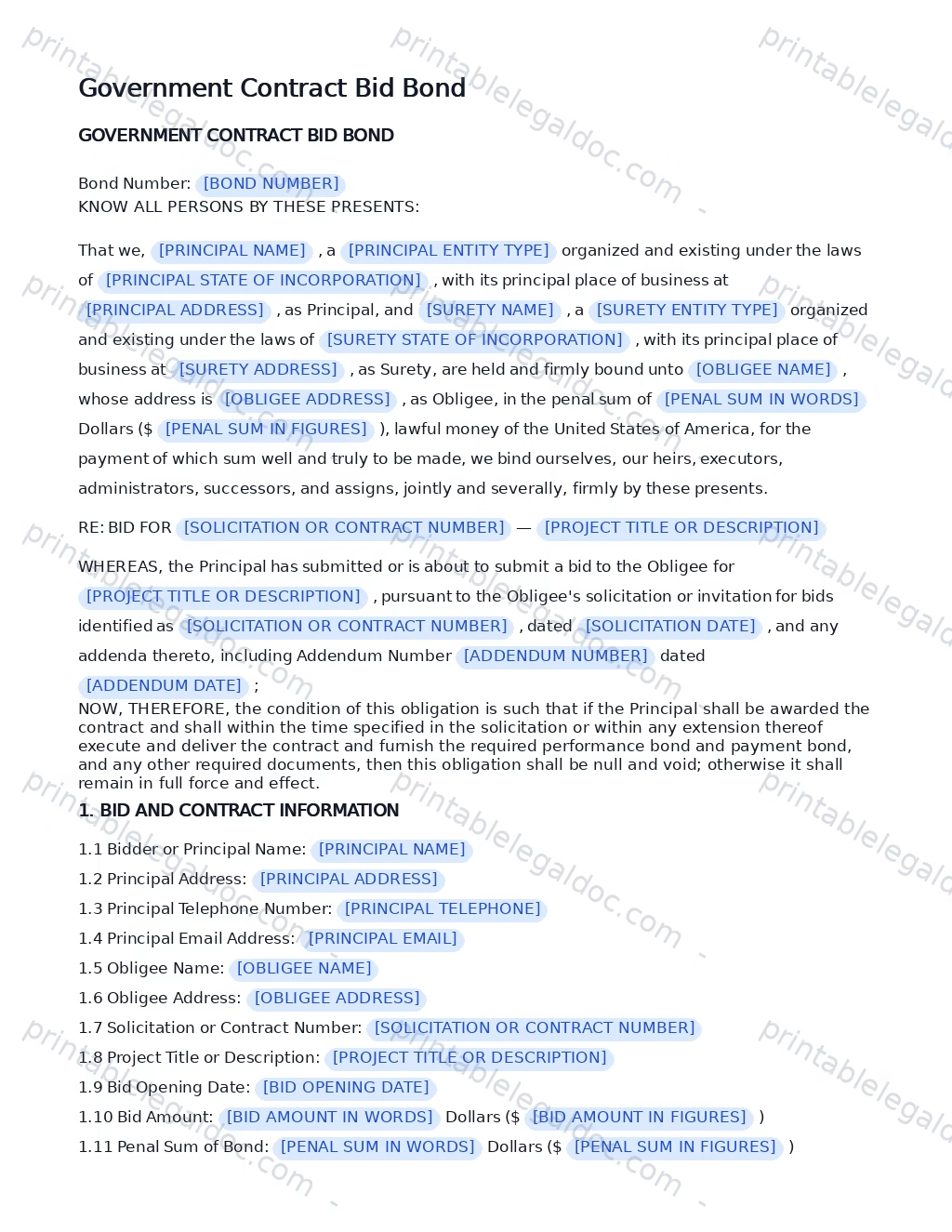
Government Contract Bid Bond
A government contract bid bond shows you are serious about your offer. It protects the buyer if you win and then walk away. Most agencies require this bond with your bid. The amount often runs between five and twenty percent of the contract value. You get one from a surety company. That company checks your credit and your track record. Strong finances help you secure better terms. A bid bond is not the same as a performance bond. The first covers the bidding stage. The second covers the actual work. Keep both in mind as you pursue public projects. This small document can open big doors for your business.
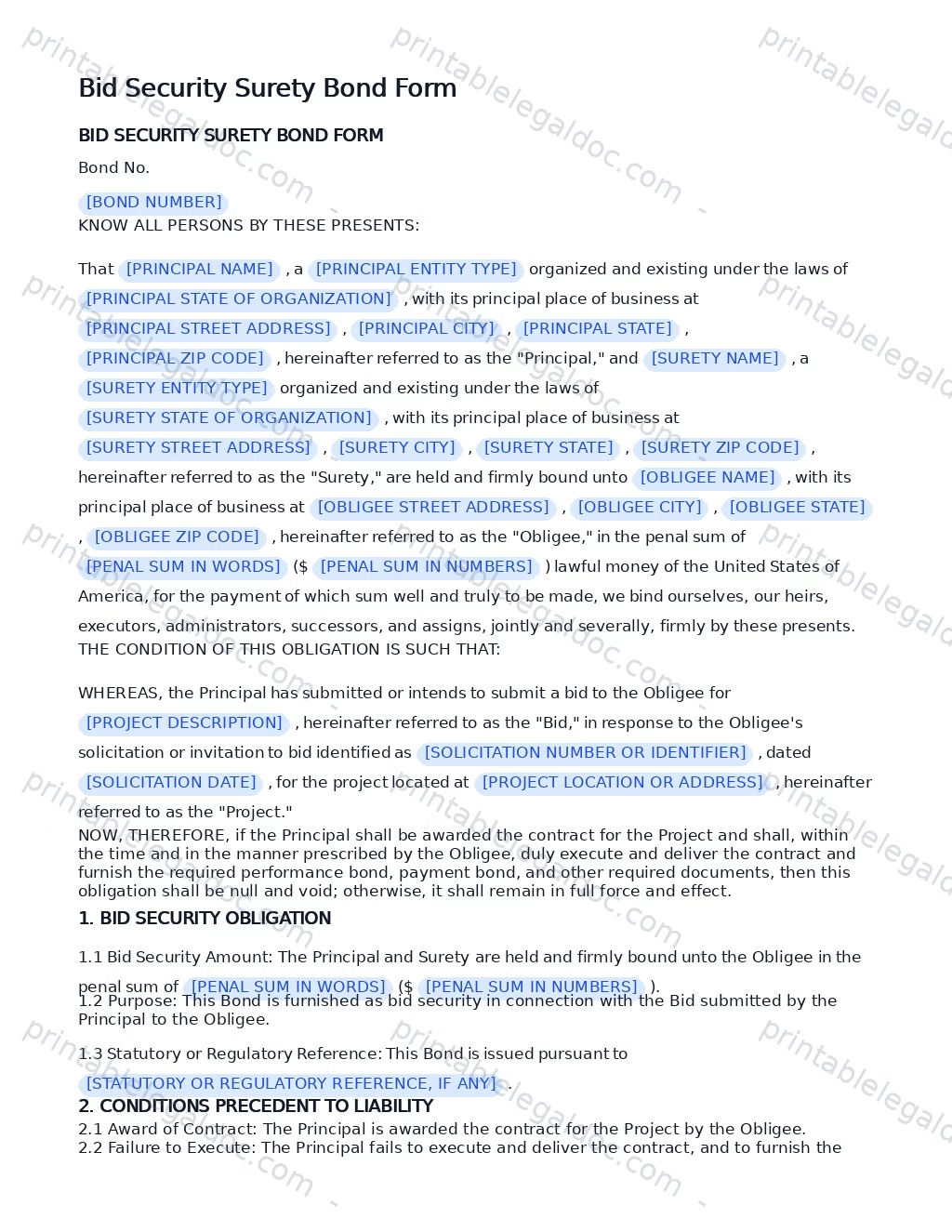
Bid Security Surety Bond Form
A bid security surety bond form protects project owners from contractors who withdraw bids. This document guarantees a contractor will honor their proposal. If they fail, the surety pays a penalty. Our template makes this process simple. It includes all required fields and clear instructions. You can customize it for any project. The form meets standard industry requirements. It saves you time and reduces legal risks. Download your free template today.
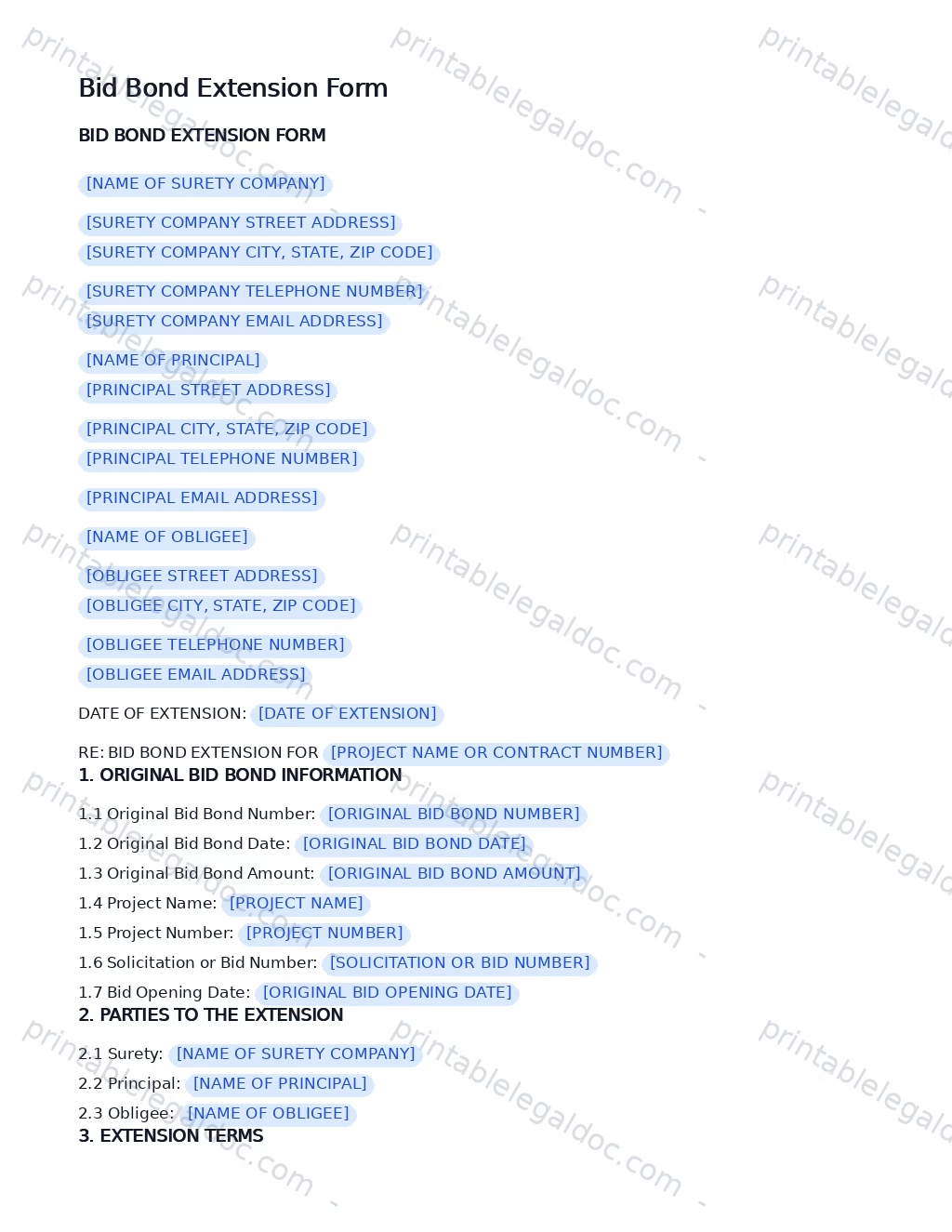
Bid Bond Extension Form
A bid bond extension form helps contractors request more time on a project bid. The original bond has an expiry date. Sometimes delays happen. You need extra days to submit your final offer. This form makes that request official. It goes to the surety company and the project owner. They review the new timeline. Once approved, your bid stays valid. No penalties. No lost opportunities. The form asks for basic details. Your name, the project, the current bond number. Then you state the new date you need. Keep it clear and simple. Attach any supporting documents. Sign it. Send it before the old bond expires. That way you stay compliant and keep your chance to win the contract.
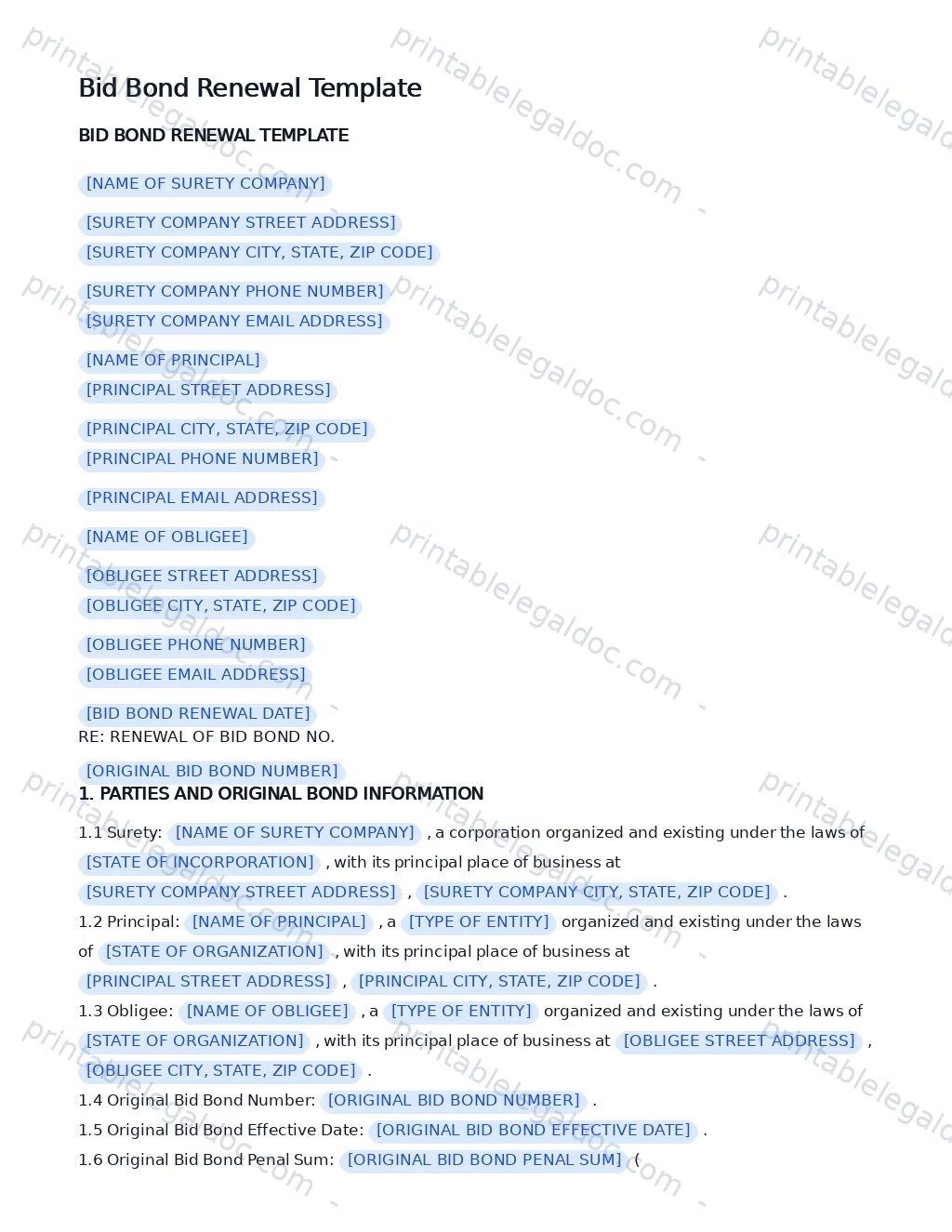
Bid Bond Renewal Template
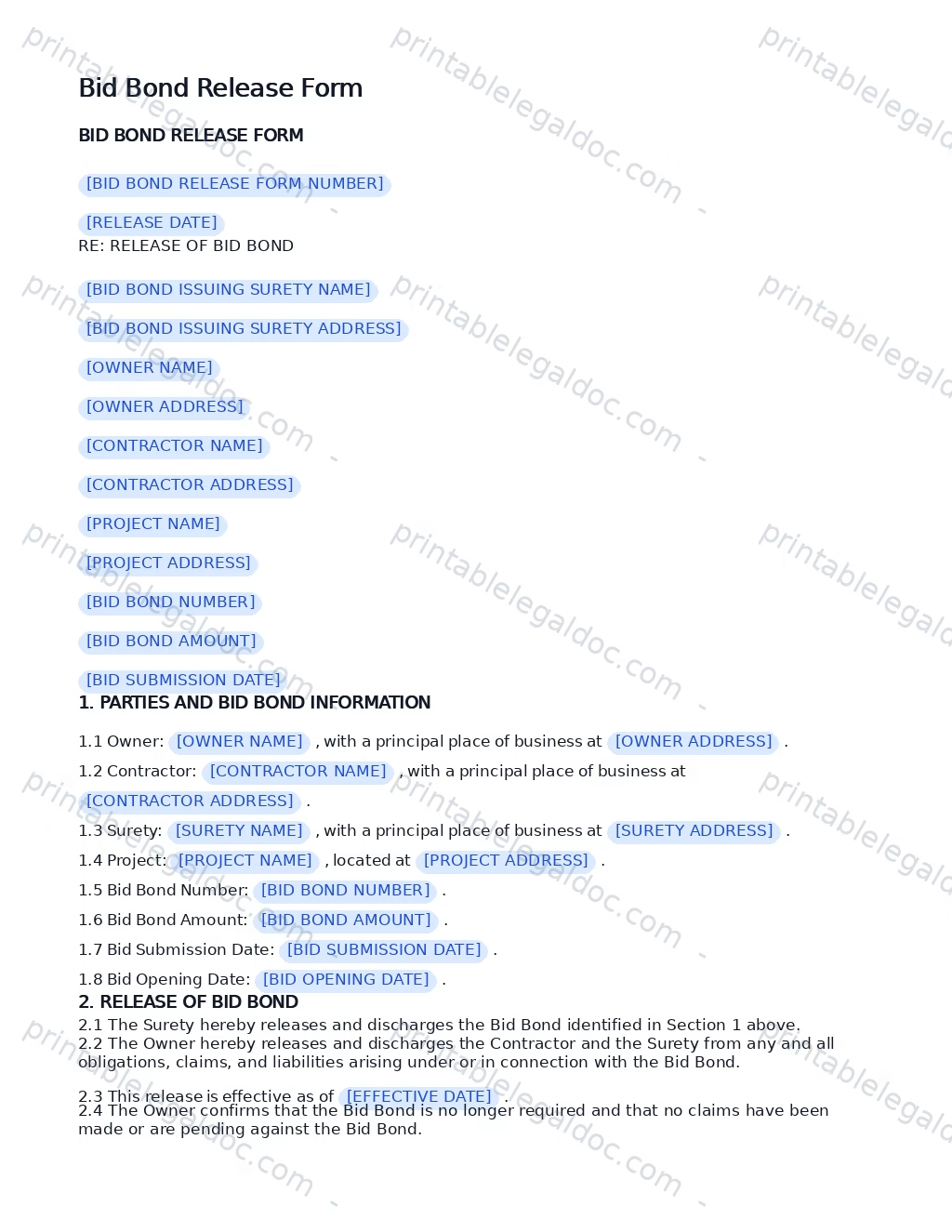
Bid Bond Release Form
A bid bond release form frees a contractor from obligation. It confirms the project owner no longer holds the bond. This simple template does one job well. It states the bond is void. Both parties sign it. Then the surety company steps away. You get a clean end to a stressful process.The form includes key details. Names, dates, and the original bond amount. It also notes the project address. Fill in the blanks. Keep a copy for your records. Send one to the surety. That protects everyone involved. No disputes later. No surprise claims. Just a clear record that the bond served its purpose. Use this template when a contract wraps up.
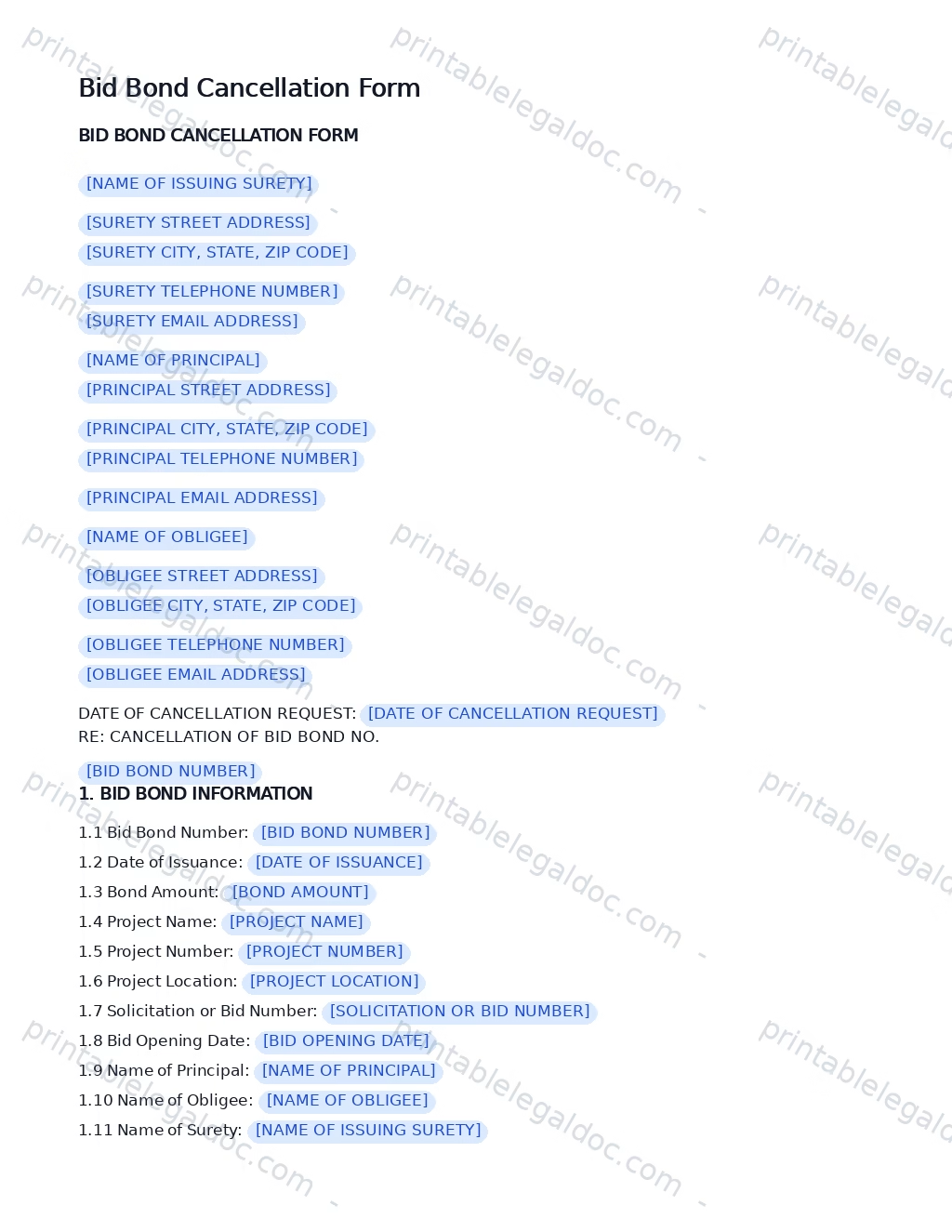
Bid Bond Cancellation Form
A bid bond cancellation form ends a surety agreement. It releases the contractor from obligation. The project owner no longer holds that bond. You need this form when work stops or a contract ends. It confirms the bond is void. Both parties sign to make it official. The form protects everyone involved. It prevents future claims on the bond. Keep a copy for your records. This simple document saves time and money. It brings closure to the bidding process. Use it correctly and avoid legal trouble.
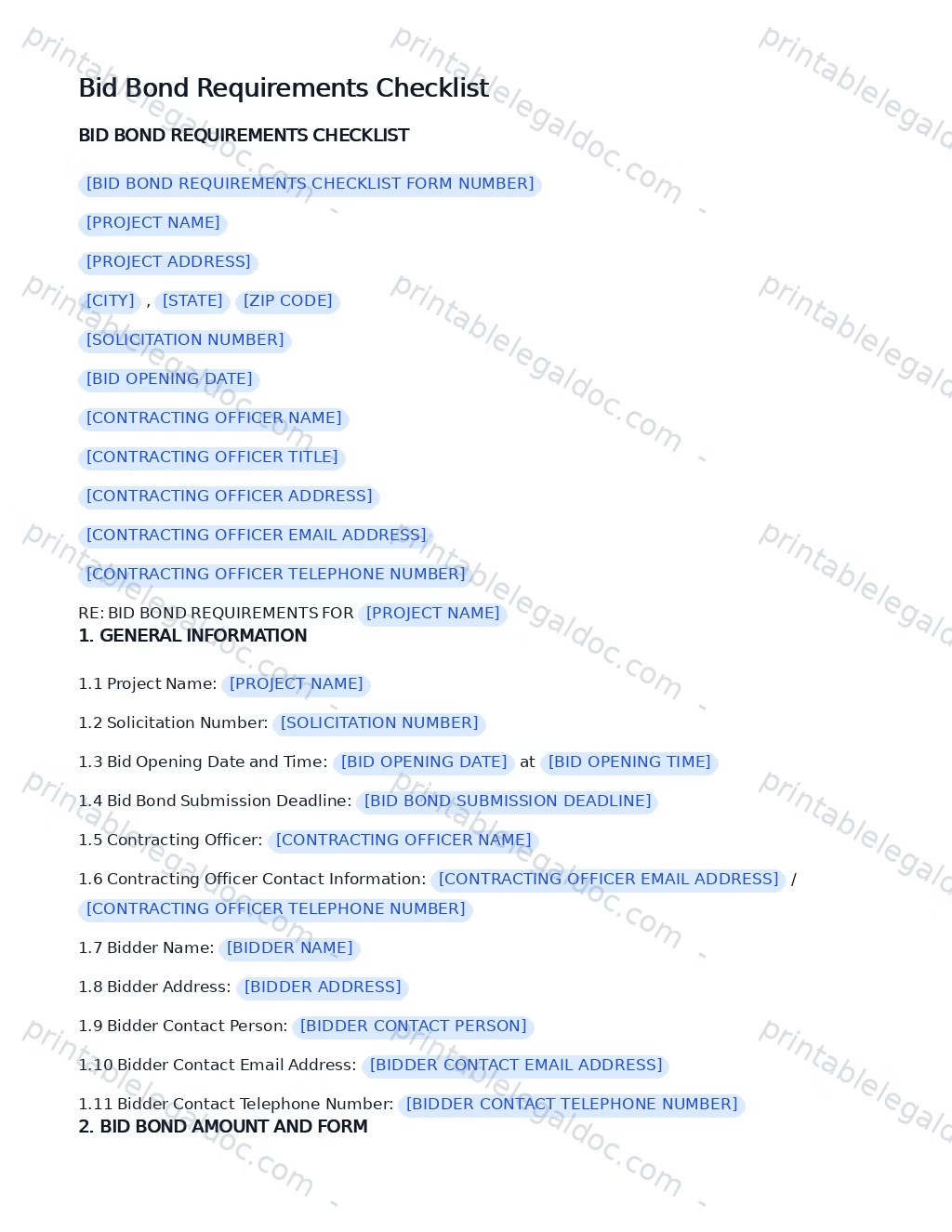
Bid Bond Requirements Checklist
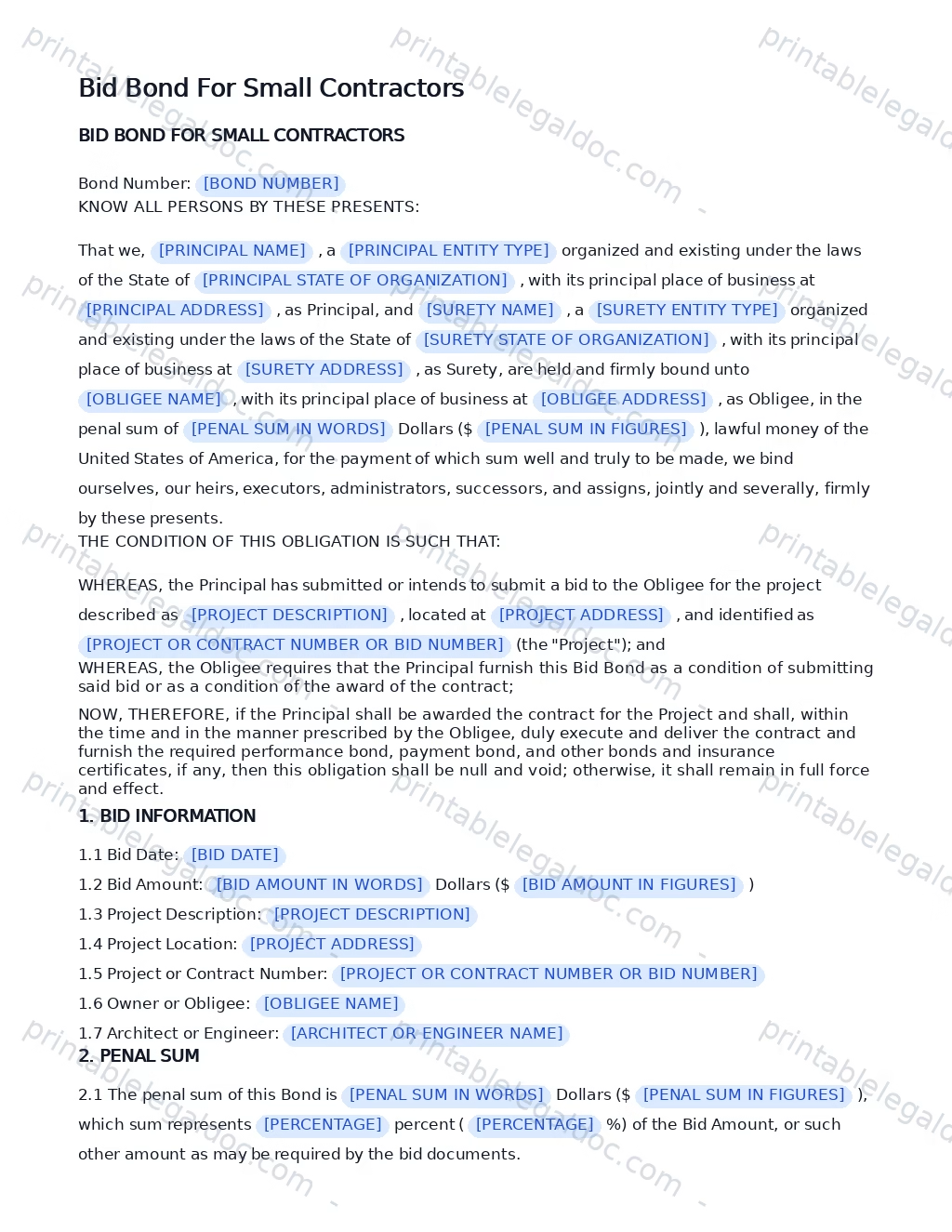
Bid Bond For Small Contractors

Bid Bond
BID BOND
_________________, referred to as BIDDER, of ______, ________, and ________________, referred to as SURETY, of ______, ________, are bound to _____________, of ______, ________, referred to as OBLIGEE, in the sum of $_______(_________________ &___/100 dollars), referred to as the penal sum for the payment of this sum we bind ourselves and our legal successors.
If OBLIGEE accepts the bid of BIDDER, and BIDDER enters into a contract with OBLIGEE in accordance with the invitation to bid, and further, give such performance bonds as may be required, then this obligation shall be void, otherwise the same shall remain in full force and effect. Provided, however, that upon the failure of the BIDDER to enter into the contract as described above, the BIDDER shall pay either the difference between the bid submitted by BIDDER and any larger amount which OBLIGEE may in good faith contract to perform the work, or the penal sum, whichever is lesser.
DATED: __________________
______________________________________________
BIDDER
______________________________________________
OBLIGEEBID BOND
Review ListThis review list is provided to inform you about this document in question and assist you in its preparation. This is a straightforward document used in real estate transactions.
1. Make multiple copies. Give one to each signatory and keep one with the file in question.
Frequently Asked Questions
What is a bid bond?
A bid bond is a legal instrument in which a bidder and a surety are bound to an obligee for a specified penal sum. It guarantees that if the obligee accepts the bidder's bid, the bidder will enter into a contract and provide any required performance bonds. If the bidder fails to do so, the obligation remains in effect.
Who are the parties involved in a bid bond?
The parties are the BIDDER, the SURETY, and the OBLIGEE. The BIDDER is the entity submitting the bid, the SURETY is the entity providing the bond, and the OBLIGEE is the entity requesting the bid. The bond binds the BIDDER and SURETY to the OBLIGEE.
What is the penal sum in a bid bond?
The penal sum is the maximum amount stated in the bid bond, expressed in dollars and cents. It represents the limit of the surety's liability under the bond. The penal sum is agreed upon by the parties and is specified in the bond document.
When does a bid bond become void?
The bid bond becomes void if the OBLIGEE accepts the BIDDER's bid, the BIDDER enters into a contract with the OBLIGEE in accordance with the invitation to bid, and the BIDDER provides any required performance bonds. If these conditions are met, the obligation is discharged. Otherwise, the bond remains in full force and effect.
What happens if the bidder fails to enter into the contract?
If the BIDDER fails to enter into the contract as described, the BIDDER must pay either the difference between the bid submitted and any larger amount the OBLIGEE may in good faith contract to perform the work, or the penal sum, whichever is lesser. This payment is the BIDDER's obligation under the bond. The surety may also be liable up to the penal sum.
What is the difference between a bid bond and a performance bond?
A bid bond guarantees that a bidder will enter into a contract and provide performance bonds if the bid is accepted. A performance bond, which may be required after the contract is awarded, guarantees the performance of the contract itself. The bid bond is a preliminary guarantee, while the performance bond is a guarantee of completion.
How is the penal sum determined?
The penal sum is determined by agreement between the parties and is stated in the bid bond as a specific dollar amount. It is written out in words and figures. The penal sum represents the maximum amount the surety may be required to pay under the bond.
What is the purpose of a bid bond?
The purpose of a bid bond is to ensure that a bidder will honor its bid and enter into a contract if selected. It protects the obligee from the risk that the bidder will withdraw or fail to perform. If the bidder fails to enter into the contract, the bond provides a remedy to the obligee.
Who is the obligee in a bid bond?
The obligee is the entity to whom the bid bond is given, typically the project owner or the party requesting the bids. The obligee is the beneficiary of the bond and can make a claim if the bidder fails to fulfill its obligations. The obligee is named in the bid bond document.
What is the surety's role in a bid bond?
The surety is the party that guarantees the bidder's obligations under the bid bond. If the bidder fails to enter into the contract, the surety may be liable to pay the obligee, up to the penal sum. The surety is bound jointly with the bidder to the obligee.


