

This review list is intended to educate you about the document and to aid you in preparing it.
- Employment law is a minefield of legal snares for business owners. The Employer bears a significant burden of evidence in establishing a lack of prejudice for a wide number of reasons. A brief review of the daily newspaper reveals the extent to which this type of lawsuit occurs, and the number of employers charged for these infractions and forced to settle or face court awards, including punitive damages.
- Ensure that your employment policy is adhered to in its entirety to assist you in confronting discrimination and other allegations made by those rejected. The above letter is carefully worded to reject the candidate but not to notify them that another candidate was “hired” in their place or as a “better” competent candidate. If you accept that stance (i.e., a “more” qualified applicant was hired), you provide an opening for a plaintiff’s attorney to attack (e.g., “How was that candidate more qualified?”). And so forth. All of this might place you and the Company on the defensive as a plaintiff attorney attempts to trap you). Rather than that, this letter takes the kinder, more casual perspective that “circumstances” prevented the corporation from making an offer. It is critical to realize that courts have typically held that employers might make rash or erroneous decisions about employment practices. Simply put, courts determine that an employer cannot be discriminating. Thus, this light rejection letter, when combined with the offer to reconsider within 90 days and the candidate’s ability to reapply after that time period, alleviates the pain of the rejection and in no way disparages the job candidate’s qualifications or abilities.
- Maintain an up-to-date file of Job Applicant Rejection letters. Remove the candidate’s records from your files after 90 days but keep the Job Applicant Rejection letter. By establishing this as a normal procedure and adhering to it, you will strengthen your position if you are sued by a previous job candidate. It is typically not in the Company’s best interests to retain any notes or recordings of other candidate talks, as these types of documents are subject to submission by your company in any job application lawsuit, including but not limited to this individual. As long as you maintain a file of Job Applicant Rejection letters, you will almost always be judged to have developed an acceptable record keeping system that will elicit no criticism from a court of competent jurisdiction.
- Because these remarks are lengthier than the letter, they emphasize the need of keeping your attorney updated about your employee and employment practices on a timely manner. We cannot emphasize enough how an ounce of legal protection or well-being may spare you from having to pay a pound or more in legal fees to defend yourself and your business. Lawyers are most suited to assist you in anticipating such issues. Utilize them properly in this respect, and you will likely save yourself much time and money in the future. The law is increasingly considering employees as “stakeholders” in the businesses for which they work and even in those to which they just apply for job. As with any stakeholder or shareholder, it would be wise to use extreme caution in your dealings with them. If you accomplish this, you have satisfied the majority of the goals of the relevant legislation and laws: to behave equally, fairly, and without discrimination.

Professional Job Applicant Rejection Letter Template
Writing a professional rejection letter is tough. You want to be clear, kind, and respectful. A good template helps you do that. It saves time and keeps your message consistent. Start with a warm thank you for their time. Then state your decision plainly. Keep the focus on the applicant, not on you. Avoid vague phrases that leave people guessing. Offer a brief reason if it feels right. End with genuine good wishes for their job search. This approach protects your company's reputation. It also treats every candidate with dignity. A solid template makes a hard task easier. It helps you respond quickly and fairly. Use it to build trust, even when you say no.
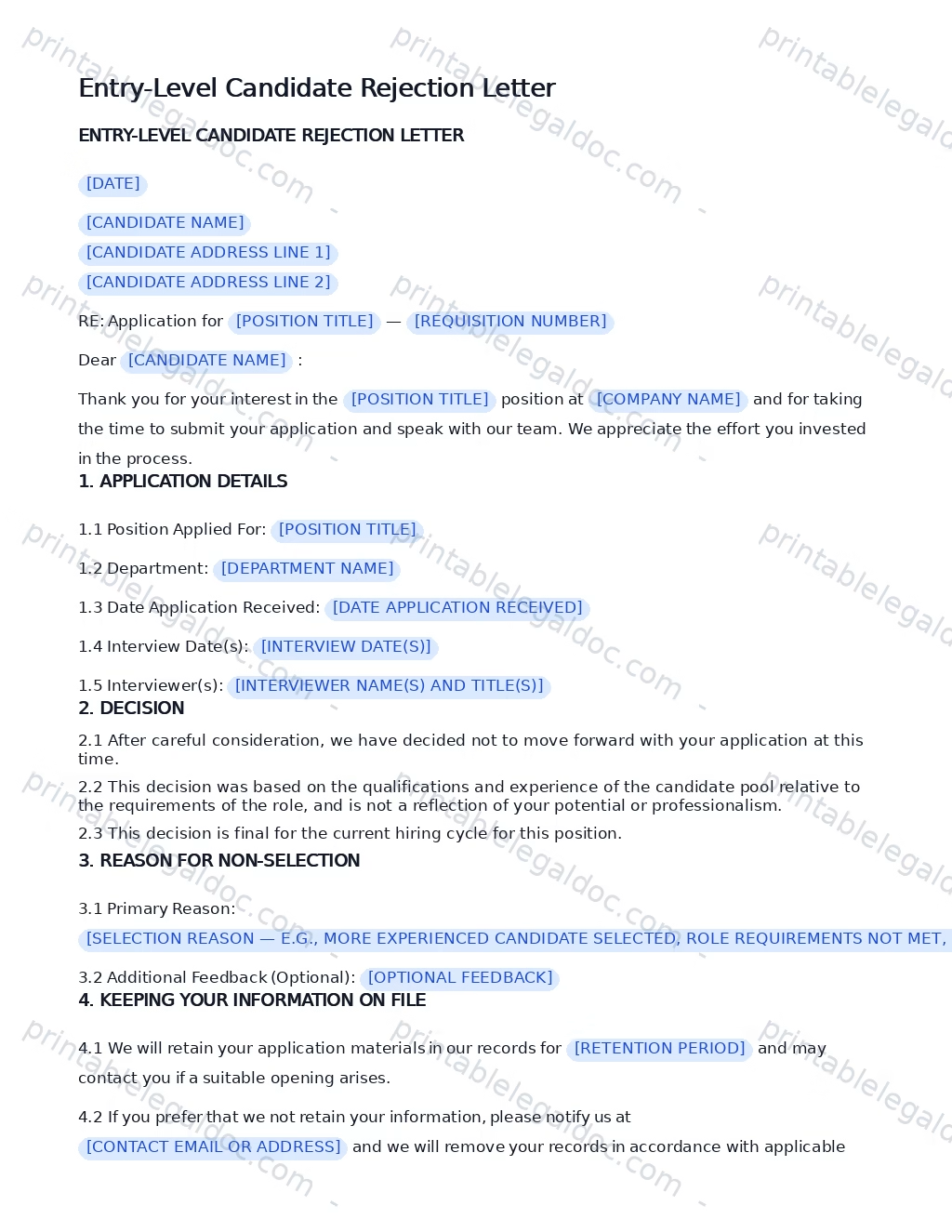
Entry-Level Candidate Rejection Letter
Use this entry-level candidate rejection letter to give applicants a clear, respectful answer. The message thanks them for their interest. It notes that the team chose another candidate. It keeps the tone warm and direct. Short sentences help readers grasp the news fast. The letter also leaves the door open for future roles. Hiring teams save time with a ready template. Applicants get closure instead of silence. A kind reply protects your employer brand. This template works for many entry-level roles and needs only small edits.
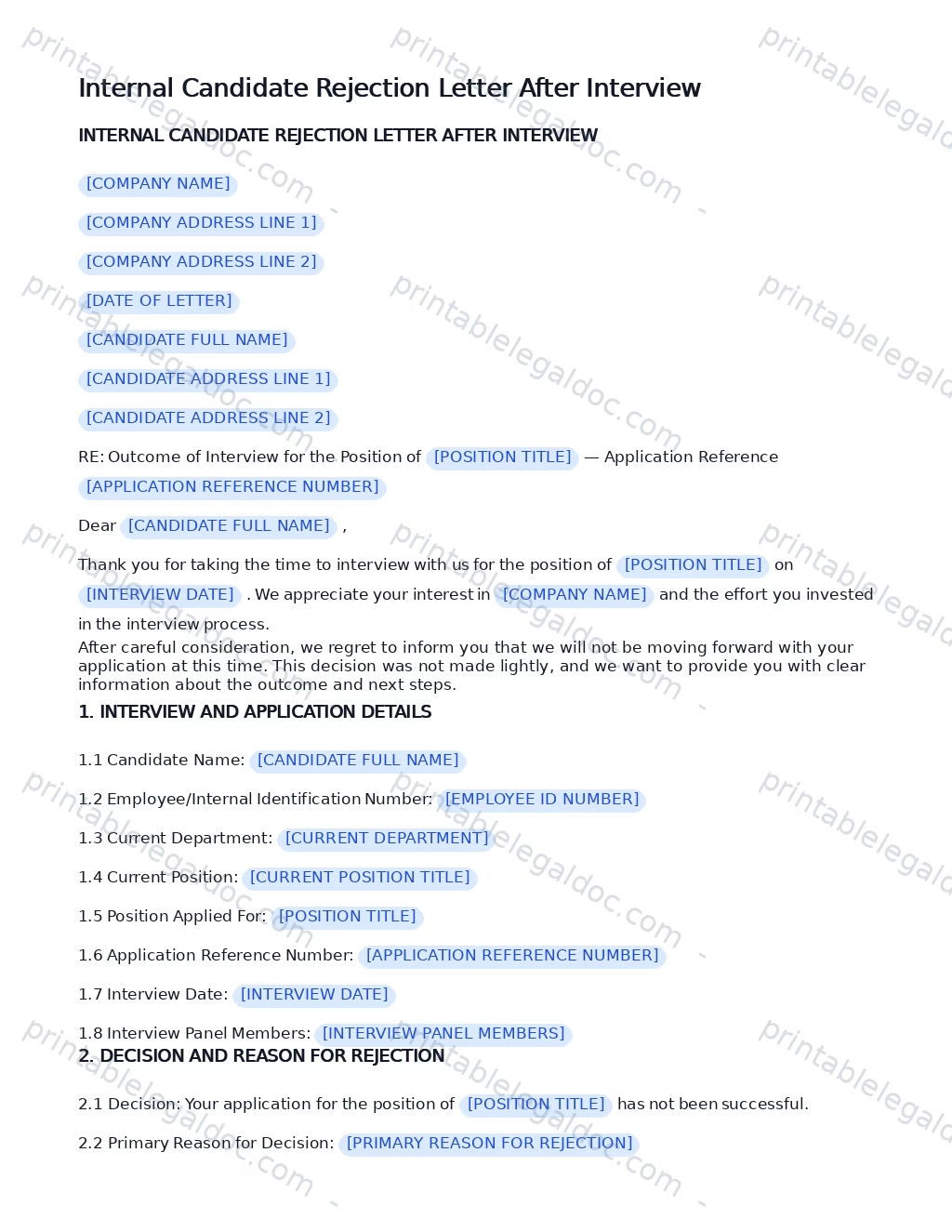
Internal Candidate Rejection Letter After Interview
Rejecting an internal candidate after an interview is tough. This letter helps you deliver the news with care. It respects the employee's effort and keeps the relationship strong. You explain the decision clearly. You offer useful feedback. You thank them for their interest. The tone stays honest and kind. Short sentences keep the message easy to read. The template covers every key point. It saves you time and reduces awkward moments. Use it to close the process with dignity. Your team will appreciate the honesty. The candidate will value the respect.
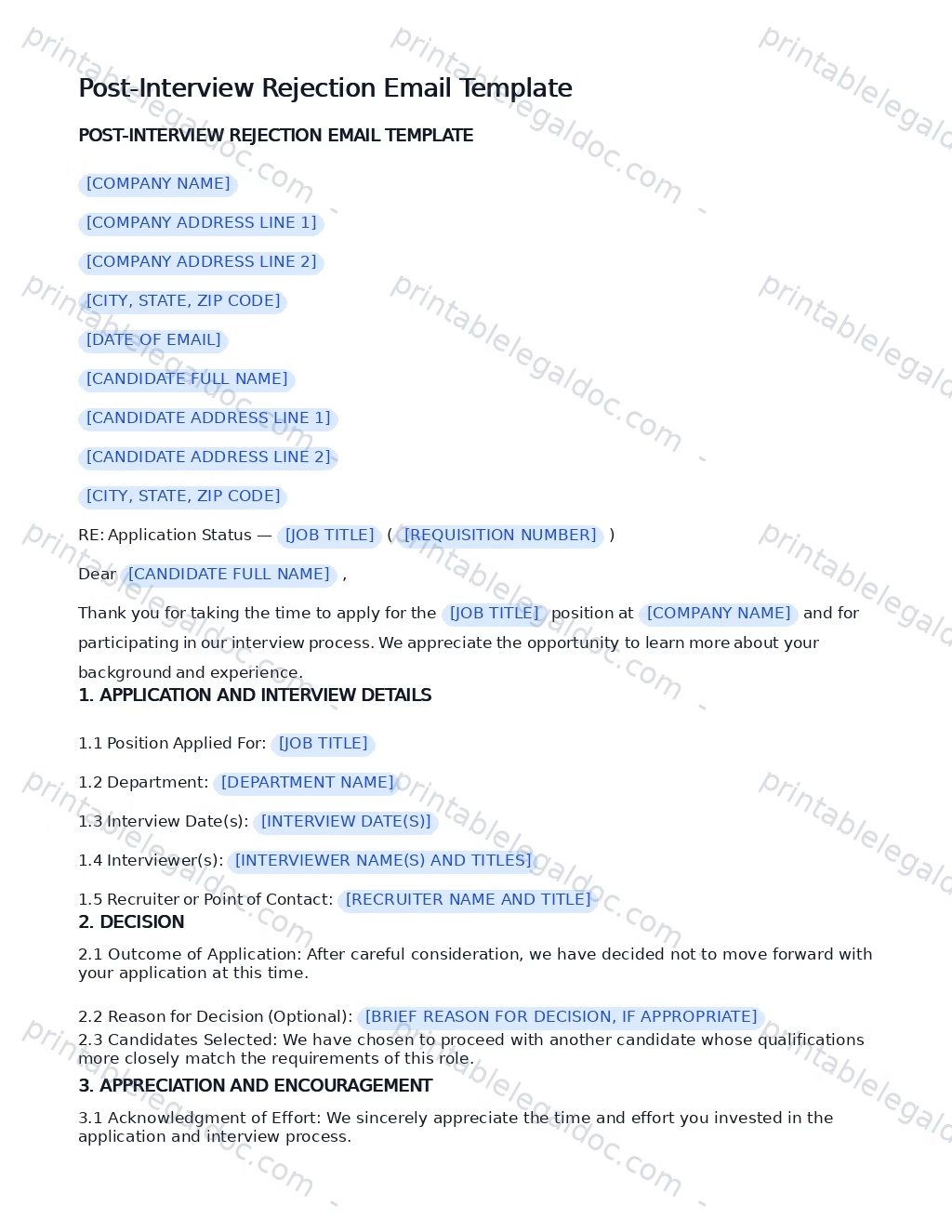
Post-Interview Rejection Email Template
Getting rejected after an interview stings. A clear email helps you respond with grace. Our post-interview rejection email template gives you the right words. You stay professional and protect your reputation. The template covers every key point. It thanks the interviewer for their time. It states your decision without harsh language. You keep the door open for future roles. Recruiters notice how candidates handle bad news. A thoughtful reply can leave a strong impression. This template saves you time and stress. You avoid awkward phrasing or silence. Just fill in the details and send. Move forward with confidence and keep your network strong.
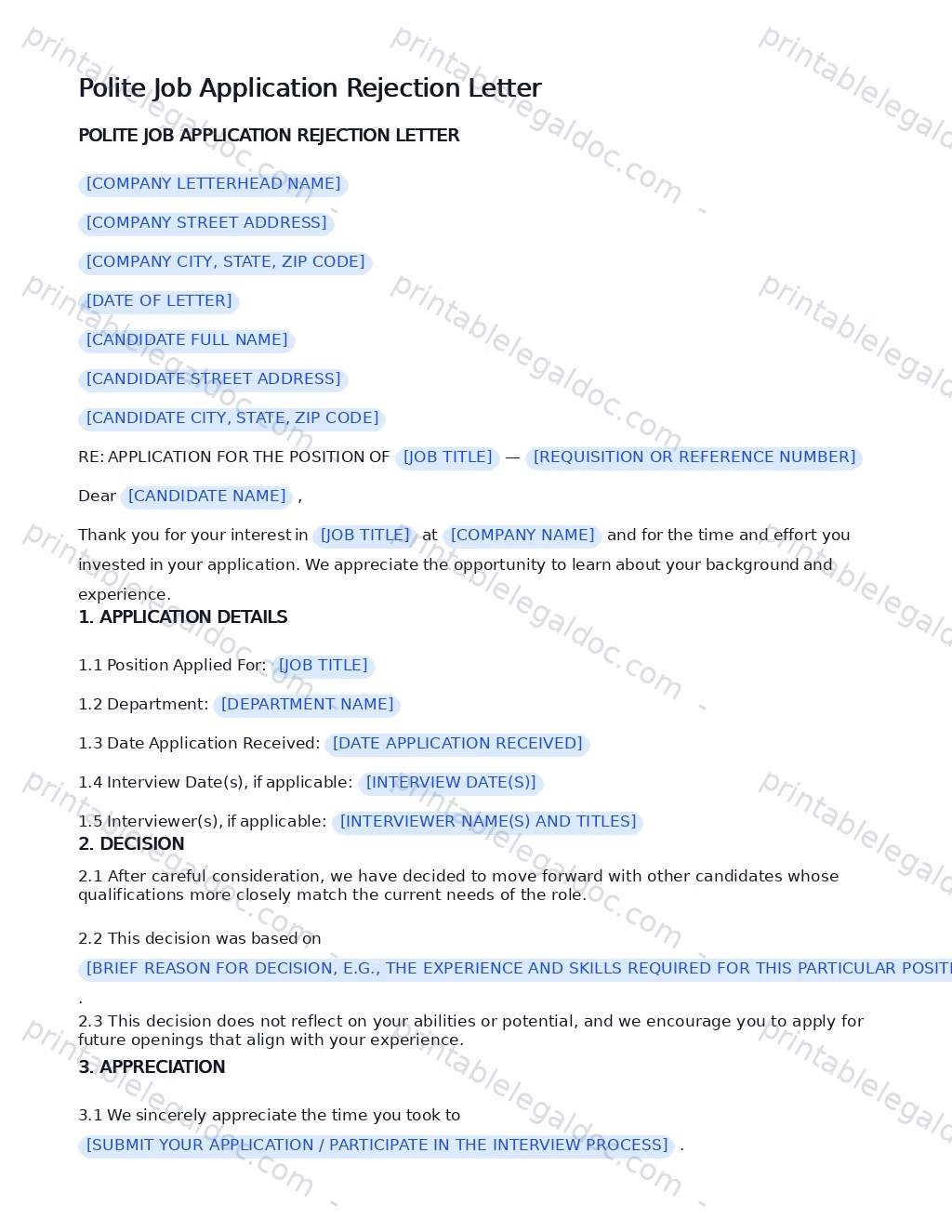
Polite Job Application Rejection Letter
A polite rejection letter protects your professional reputation. This template helps you say no with grace. You keep the door open for future roles. The tone stays warm and direct. You thank the candidate for their time. Then you explain the decision without harsh words. The message stays short and clear. You avoid vague excuses. You focus on fit, not personal flaws. The reader feels respected, not dismissed. This approach builds goodwill. It also reduces legal risk. Your brand looks thoughtful. The template saves you time. You can edit it in minutes. Every sentence serves a purpose. Nothing feels cold or robotic. Use it when you must decline an applicant. You stay honest and kind.

Rejection Letter for Overqualified Candidates
Rejecting a candidate for being overqualified feels strange. Yet sometimes it is the right call. Our rejection letter template helps you say no with respect. It explains the decision in clear terms. The message stays short and kind. It avoids blame and keeps the door open. You can edit it in minutes. The tone works for any industry. Hiring teams save time and reduce risk. Candidates get honest feedback instead of silence. This small step protects your employer brand. It also builds trust for future roles. Grab the template and send better rejections today.
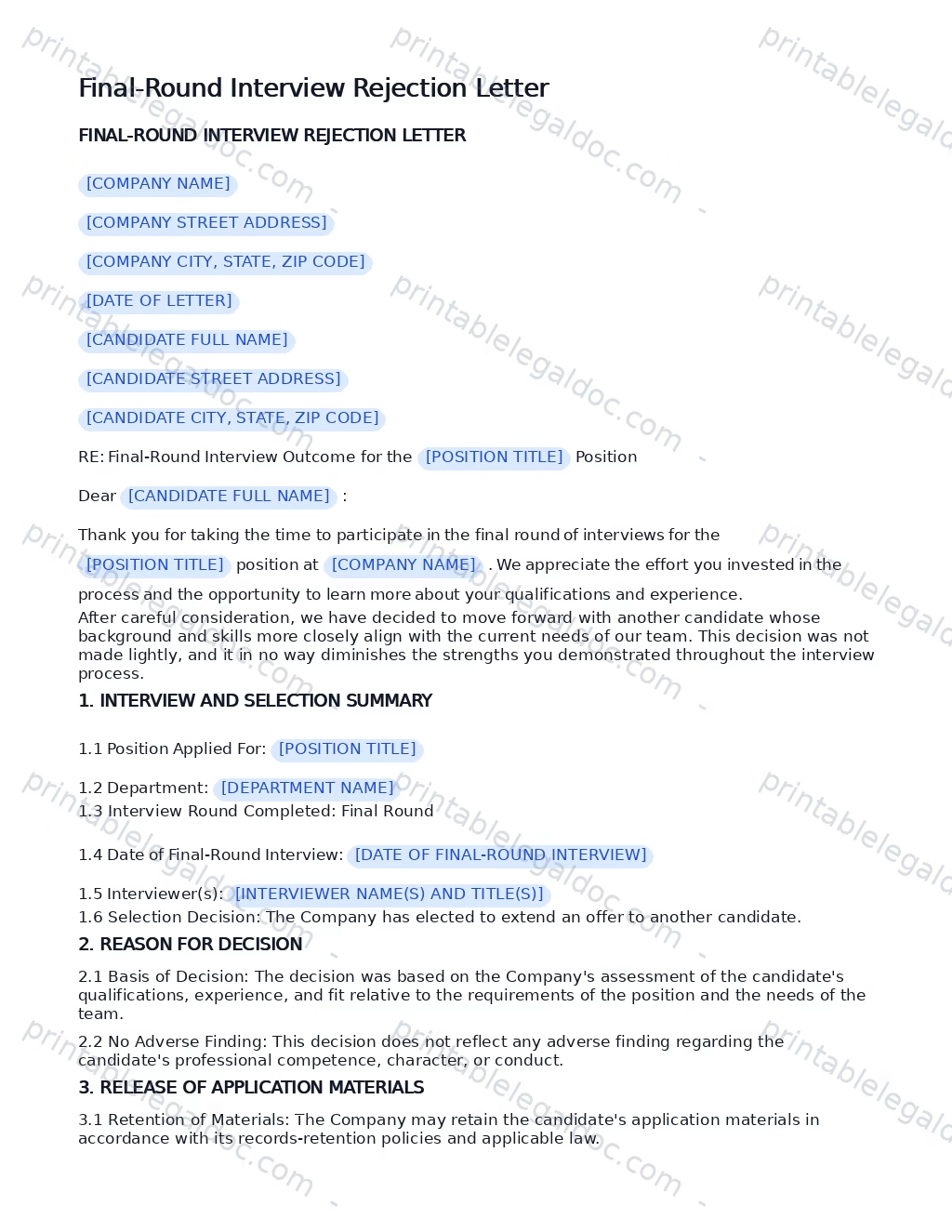
Final-Round Interview Rejection Letter
Getting cut in the final round stings. You came so close. Now you need words that respect the candidate and protect your company. This final-round interview rejection letter template helps you deliver hard news with care. Write short sentences. Lead with gratitude for their time. Explain the decision without vague excuses. Keep the tone warm but clear. Avoid false hope. Let them know another role might fit later. Your message should close the loop fast. Candidates remember how you treat them. A thoughtful letter keeps your employer brand strong. Use this template to save time and stay kind. Honest feedback builds trust. Silence does not.
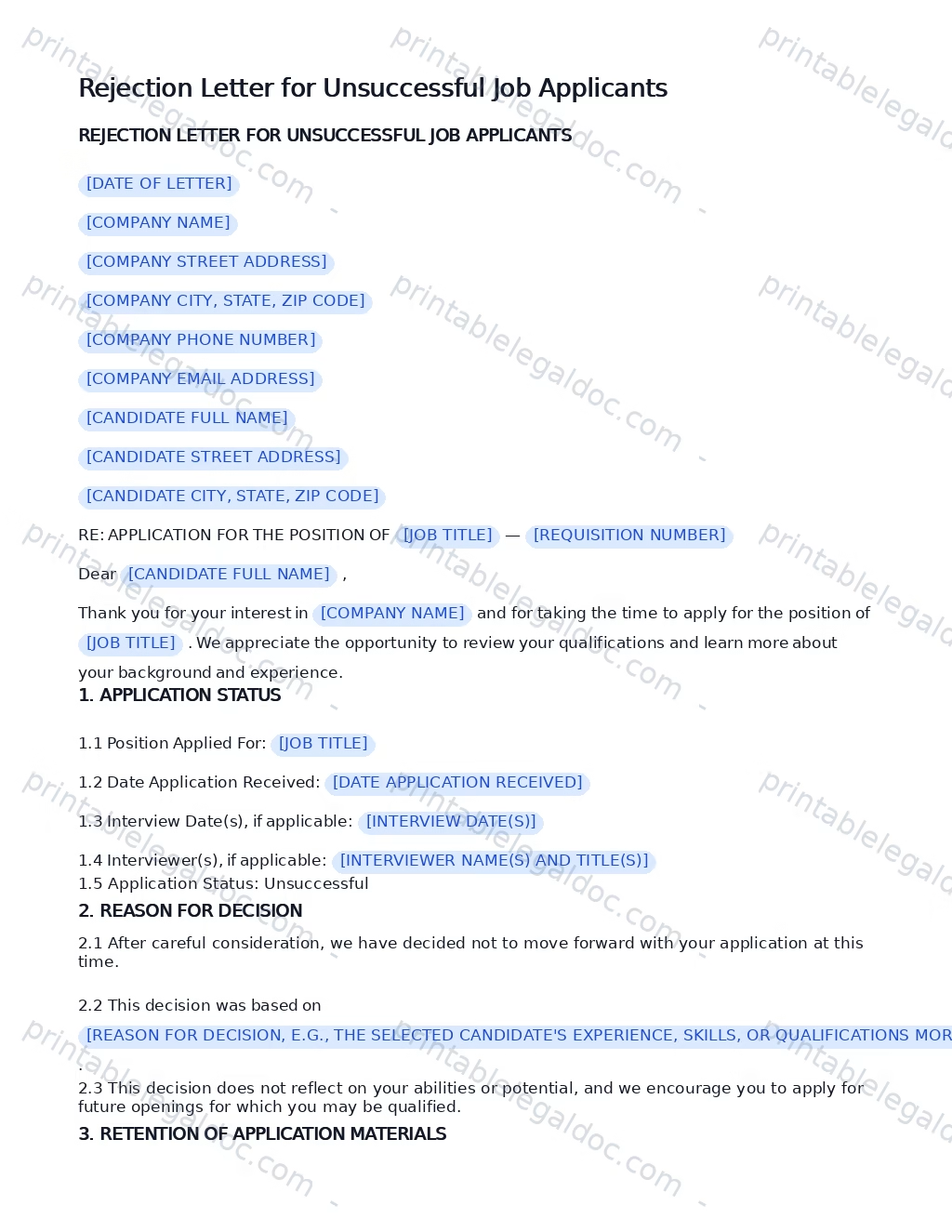
Rejection Letter for Unsuccessful Job Applicants
A rejection letter for unsuccessful job applicants should be clear and respectful. Tell the candidate they were not selected. Keep the tone warm and professional. Thank them for their time and interest in the role. A short note works best. Avoid vague phrases that leave people guessing. Be honest without being harsh. Many applicants appreciate a quick reply. It shows your company values people. You can also mention that you will keep their resume on file. This small step builds goodwill. A thoughtful rejection letter protects your employer brand. It also encourages strong candidates to apply again. Use simple words and a friendly voice. Say what you mean in a few lines. Then close with genuine thanks.

Candidate Rejection Letter With Future Opportunities
Use this candidate rejection letter with future opportunities to turn a tough message into a positive experience. The template helps you say no with respect. It keeps the door open for future roles. You thank the applicant for their time and effort. You explain the decision in clear terms. Then you invite them to stay in touch. The letter also lets you mention upcoming openings or a talent pool. This shows you value their skills. Candidates remember how you treat them. A kind rejection can protect your employer brand. It can also build a pipeline of warm leads. The template is simple to edit and easy to send. Save time while you stay thoughtful.

Small Business Hiring Rejection Letter Template
A hiring rejection letter can feel awkward to send. Yet every small business needs one. This template gives you clear words for turning down an applicant with respect. It keeps your message short and kind. You explain the decision without overdoing it. The layout covers the key parts. A greeting, a brief reason, and a polite close. You fill in the details and send it fast. Good candidates often return later. A thoughtful letter keeps that door open. It also protects your business image. Use this template to save time and stay professional. Your hiring process gets smoother with each use.
Job Applicant Rejection Letter
Job Applicant Rejection Letter
Dear __________________:
Thank you for meeting with us regarding the opportunity of working with our company. Unfortunately, our circumstances do not enable us to offer you a position at this time.
Your qualifications were impressive and we are sure they will assist you in getting a satisfactory job for you with another firm.
We wish you the best of luck in finding a position that will further your skills and experience. We will keep your resume on file for 90 days should our circumstances change and you be interested at that time in interviewing for any position that opens up that may be suitable for your talents and experience. If such an event occurs, we will contact you immediately within this 90-day period.
If you are interested in seeking a job interview more than 90 days from now, please recontact us again. Again our thanks for your time and efforts made to consider our firm for employment.
Best regards,
___________
EmployerJob Applicant Rejection
Review ListThis review list is provided to inform you about the document in question and assist you in its preparation.
1. Employment law is full of legal traps for employers. A substantial burden of proof rests upon the Employer to prove a lack of discrimination for a wide variety of causes. A casual reading of the daily newspaper will indict how much of this kind of litigation goes on and the number of employers prosecuted for these offenses and made to settle up or have court awards, including punitive damages, assessed against them.
2. Make sure your employment policy is followed faithfully to help confront discrimination and other claims by those rejected. The above letter is carefully crafted to reject the candidate but not inform them that another was “hired” in place of them or as a “more” qualified candidate. If you take that position (i.e., a “more” qualified candidate was hired), it provides a place for a plaintiff’s attorney to attack (e.g., “Why was that candidate more qualified?” And so on and so on. All of which can put you and the Company upon the defensive as a plaintiff attorney tries to land you in a trap). Instead, this letter takes the milder more informal position that “circumstances” did not permit the company to make an offer. It is important to recognize that Courts generally hold that employers can be random or wrong headed in their decision making process regarding employment practices. Courts just find that the employer cannot be discriminatory. Therefore, this mild rejection letter, coupled with the offer to reconsider within 90 days, and offer the candidate the opportunity to reapply after the 90 day time period, takes most of the sting out of the rejection and certainly in no way disparages the credentials or competence of the job candidate.
3. Set up a Job Applicant Rejection letter file and keep it current. After 90 days, remove the candidate’s records from your files while retaining the Job Applicant Rejection letter. If you make this standard practice, and abide by it, you will enhance your situation should you be sued by a former job applicant. It is generally not in the Company’s best interests to keep any notations or records of other discussions of the candidate because these kinds of documents are subject to production by your firm in any job applicant litigation, including but not limited to this individual. As long as you keep a file of Job Applicant Rejection letters, you will usually be found to have established a reasonable record keeping system that draws little ire from a court of competent jurisdiction.
4. Since these notes are longer than the letter, they are suggestive of your need to keep your attorney informed on a regular basis about your employee and employment practices. We cannot state often enough that an ounce of legal protection or well care can save you from having to pay out a pound or more to defend yourself and your firm. Lawyers can best serve you in anticipation of problems such as these. Use them wisely in this regard and you should save yourself much trouble and expense in the future. The law is moving more and more towards treating employees as having expanded rights as “stakeholders” in the firms they work for and even those they simply apply to for work. Therefore, as with any stakeholder or shareholder, you are well advised to be scrupulously careful in your dealings with them. If you do this, then you have met most of the purposes of the statutes and laws in question: to act equitably, fairly, and in a nondiscriminatory manner.
Frequently Asked Questions
What is a job applicant rejection letter?
A job applicant rejection letter is a formal communication sent by an employer to inform a candidate that they will not be offered a position. It typically thanks the applicant for their time, explains that the company cannot offer a position at this time, and may mention that the resume will be kept on file. The letter aims to provide a polite and professional closure to the application process.
Why do employers send rejection letters to job applicants?
Employers send rejection letters to maintain professionalism and provide closure to candidates. It also helps to keep a positive impression of the company, as rejected applicants may be considered for future opportunities. Additionally, sending rejection letters can be part of a legal compliance strategy to avoid claims of discrimination.
How long do employers keep resumes on file after rejection?
According to the sample rejection letter, the employer will keep the resume on file for 90 days. This period allows the employer to contact the applicant if circumstances change and a suitable position opens up. After 90 days, the applicant is encouraged to recontact the employer if still interested.
What should a rejection letter include?
A rejection letter should include a thank you for the applicant's time, a clear statement that the company cannot offer a position at this time, and an acknowledgment of the applicant's qualifications. It may also mention that the resume will be kept on file for a specified period and encourage the applicant to reapply in the future. The tone should be respectful and professional.
Can a rejection letter be used to avoid legal issues?
Yes, employment law is full of legal traps for employers, and a well-crafted rejection letter can help mitigate risks. By providing a clear and non-discriminatory reason for rejection, employers can reduce the likelihood of legal claims. However, it is important to ensure that the letter does not include any language that could be interpreted as discriminatory.
What does it mean when an employer says they will keep your resume on file?
When an employer says they will keep your resume on file, it means they may consider you for future openings that match your qualifications. In the provided letter, the employer specifies a 90-day period during which they will contact you if a suitable position becomes available. This indicates that they see potential in your qualifications but have no current openings.
Should I reapply after receiving a rejection letter?
Yes, you can reapply after receiving a rejection letter, especially if the employer invites you to do so. In the sample letter, the employer encourages the applicant to recontact them if interested in a job interview more than 90 days from now. Reapplying shows continued interest and may lead to opportunities if your skills match future needs.
How should I respond to a job rejection letter?
You should respond to a job rejection letter politely and professionally, if at all. A brief thank-you note expressing appreciation for the opportunity and continued interest in the company can leave a positive impression. Avoid expressing disappointment or frustration, as it may harm your chances for future consideration.
What are common mistakes to avoid in a rejection letter?
Common mistakes in a rejection letter include using vague or discriminatory language, failing to thank the applicant, and not providing clear next steps. It is also important to avoid making promises that cannot be kept, such as guaranteeing future consideration. The letter should be concise, respectful, and compliant with employment laws.
Is a rejection letter required by law?
There is no general legal requirement to send rejection letters to all job applicants. However, some jurisdictions may require notification under specific circumstances, such as for certain government positions or when requested by the applicant. Employers often send rejection letters as a best practice to maintain good public relations and reduce legal risks.


