

This review list is offered to help you learn more about the document in question and prepare it. Creditors might utilize stock pledges to collect extra collateral from debtors who are behind on their payments. This is a temporary measure creditor might use to safeguard their interests without causing undue distress to the debtor. From the debtor’s perspective, rather than going through all of this, they are usually better suited liquidating a portion of their stock to pay the creditor. If the debtor continues to default or goes into default after giving up the stock, the creditor obtains control of its liquidation.
- Make an additional copies. Each signatory should receive one. If you’re a creditor, make sure you get the genuine stock certificate (s) and the necessary documents in case you need to liquidate them.
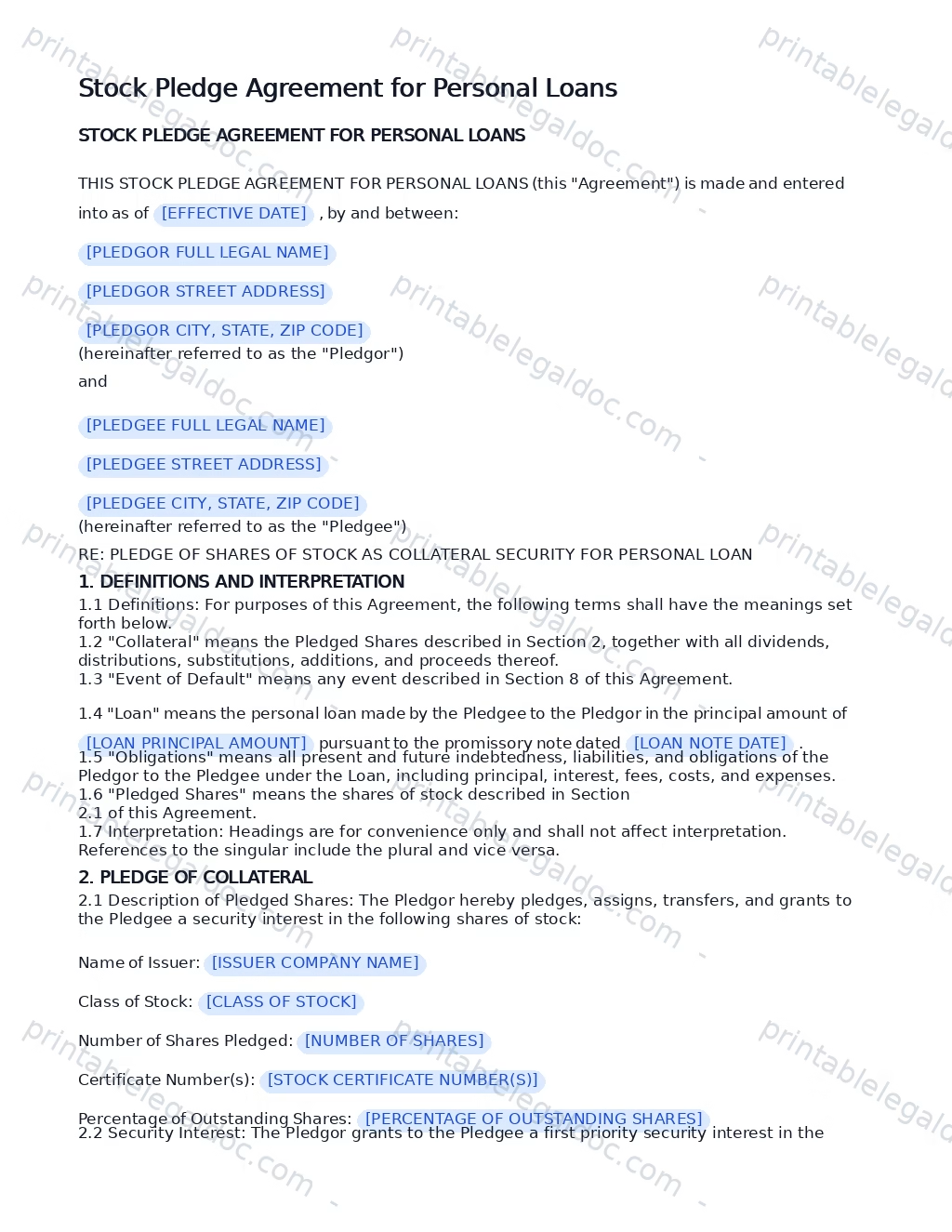
Stock Pledge Agreement for Personal Loans
A stock pledge agreement for personal loans lets you use your shares as collateral. The lender holds a claim on those shares until you repay. This template spells out the terms in clear language. It covers the pledged securities, loan amount, and repayment schedule. You will also find default clauses and release conditions. Each section is short and easy to follow. That means less back and forth with your lender. The document protects both sides. You keep ownership of the shares during the loan term. The lender gains security if you miss a payment. Use this template to formalize the arrangement without legal confusion. Fill in the blanks, sign, and move forward with confidence.
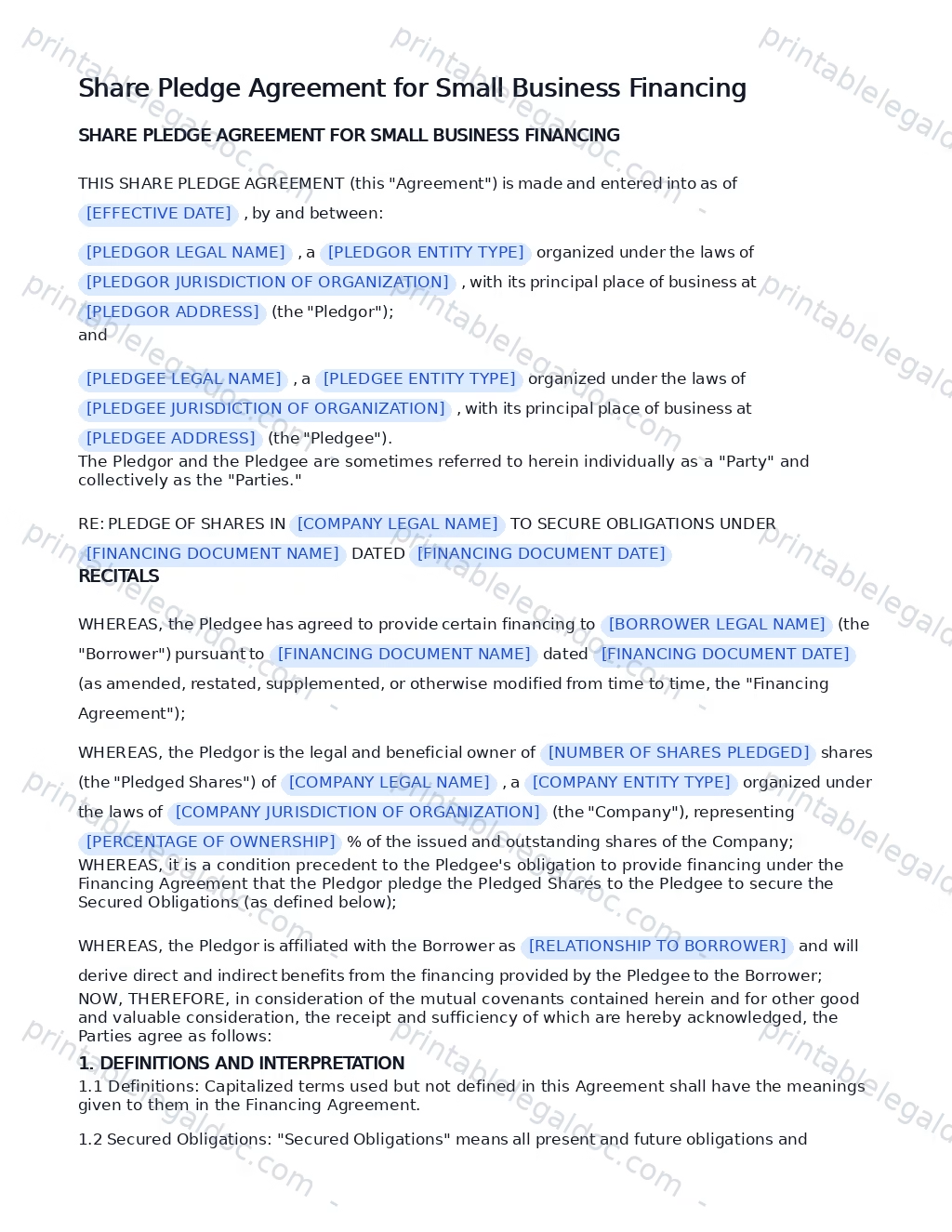
Share Pledge Agreement for Small Business Financing
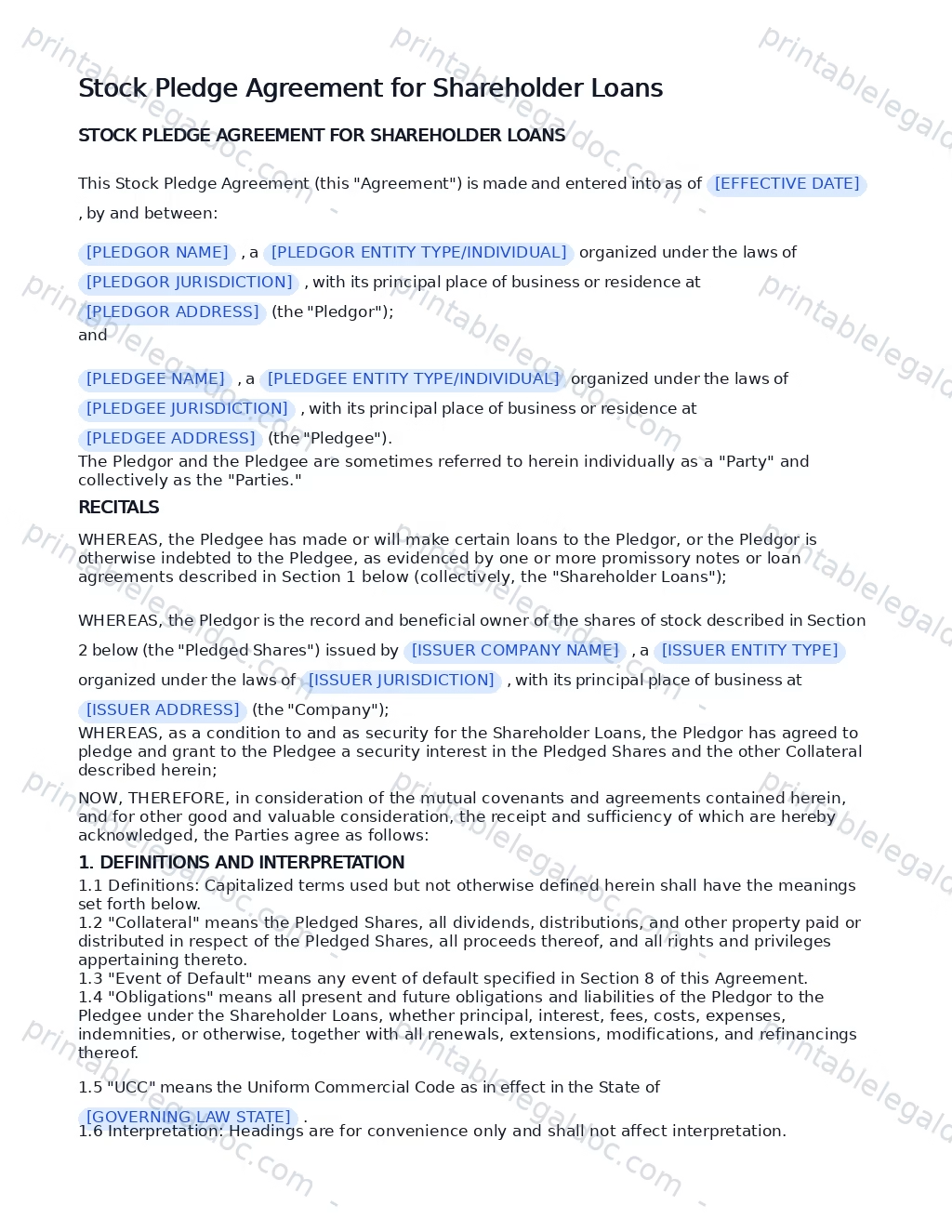
Stock Pledge Agreement for Shareholder Loans

Pledge of Shares for Business Acquisition
A pledge of shares can help you secure funding for a business acquisition. You use your shares as collateral for a loan. The lender holds rights to those shares until you repay the debt. This template makes the process clear and simple. It covers key terms, rights, and obligations for both sides. You get a ready structure that saves time and reduces risk. Fill in the details, review the clauses, and sign. The document protects your interests while keeping the deal transparent. Use it when you need a solid legal foundation for acquisition financing.
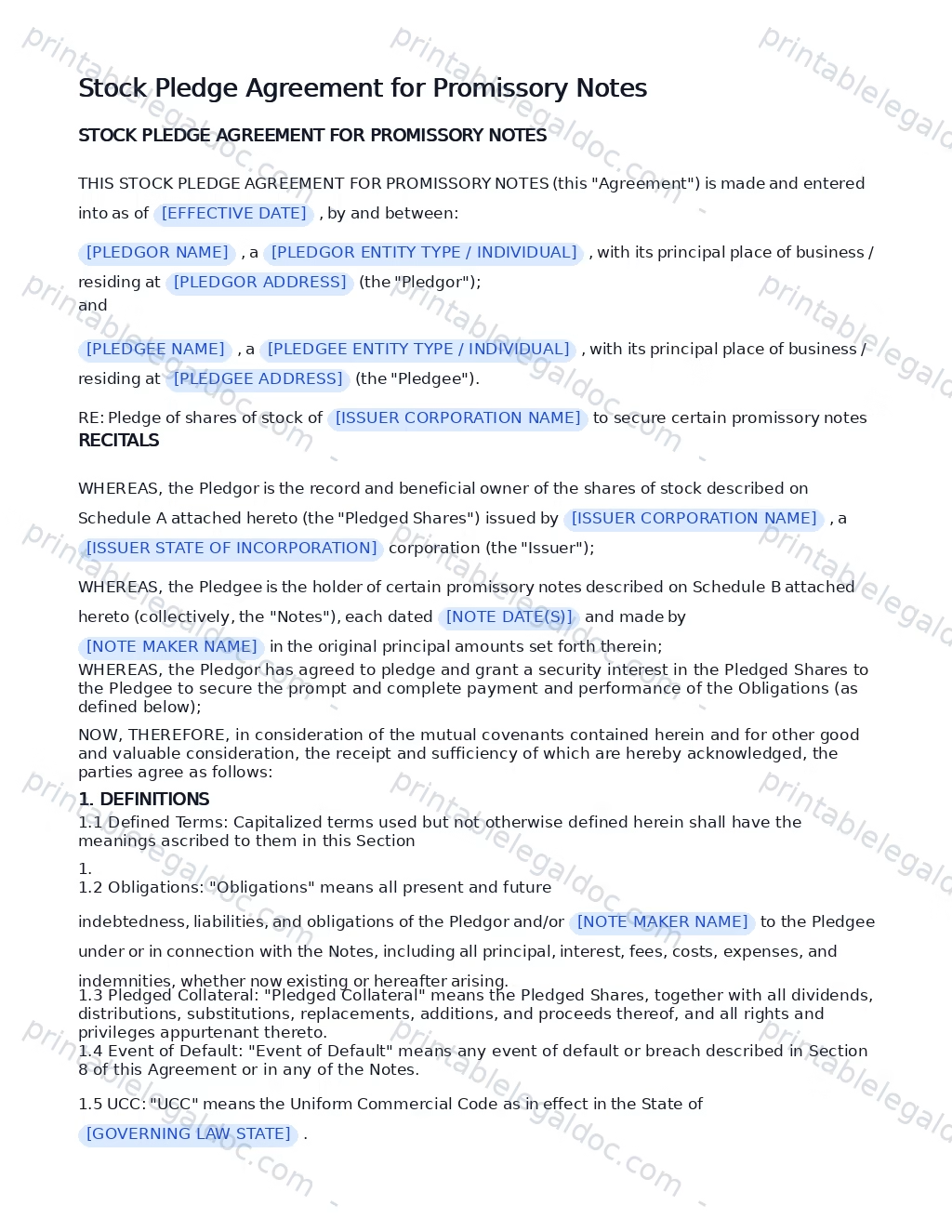
Stock Pledge Agreement for Promissory Notes
A stock pledge agreement for promissory notes gives lenders real security. The borrower pledges shares as collateral against the note. If the borrower defaults, the lender can claim those shares. This template lays out every key term in clear language. It covers the pledge itself, the parties involved, and the default remedies. You also get release conditions once the note is paid. Each clause protects both sides and keeps the deal transparent. Small lenders and private investors use this document often. It turns an unsecured promise into a backed obligation. Grab the template and close your deal with confidence.
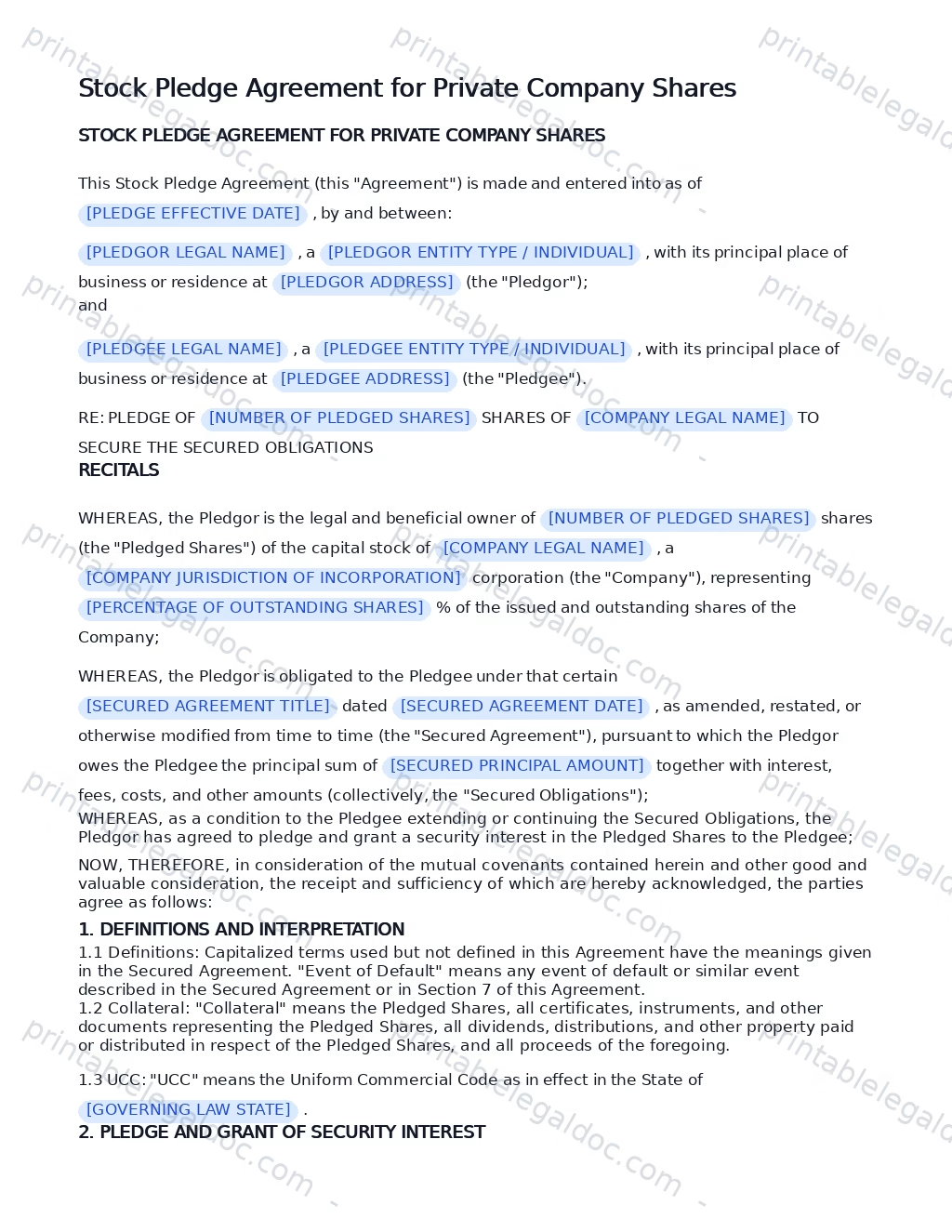
Stock Pledge Agreement for Private Company Shares
A stock pledge agreement for private company shares protects lenders when company owners use their shares as loan collateral. This legal document spells out the pledge terms, default conditions, and release process. You get clear clauses on voting rights, dividend handling, and what happens if the borrower fails to repay. Private shares carry transfer limits, so the template addresses consent requirements and valuation methods. Both parties sign to confirm the pledge and record it in the company's books. Use this agreement to reduce risk and keep the deal transparent from day one.
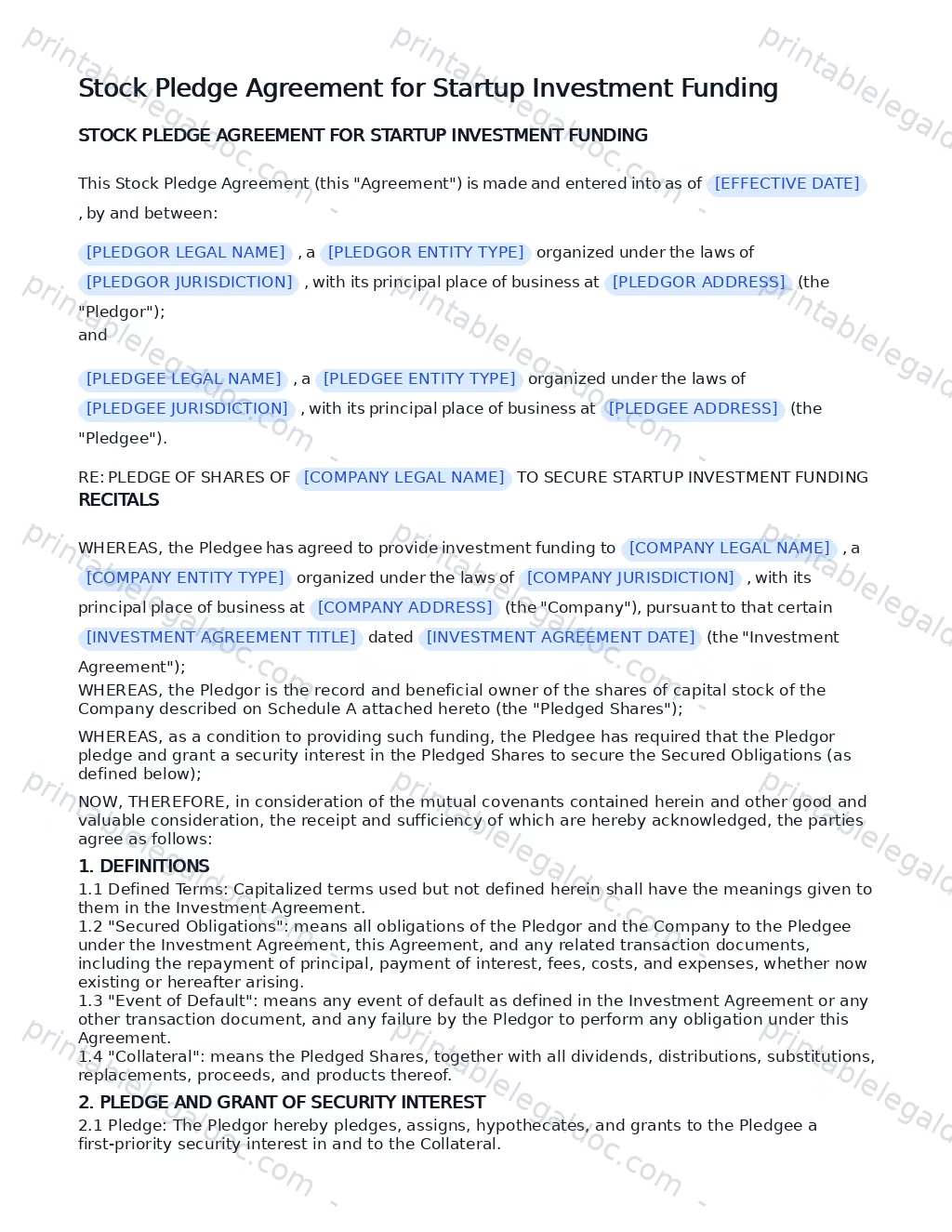
Stock Pledge Agreement for Startup Investment Funding
A stock pledge agreement helps startups secure investment funding. Founders pledge shares as collateral. Investors gain protection if terms aren't met. This legal document sets clear rules. It defines pledged shares and default triggers. Both sides know their rights and duties. The agreement builds trust during funding talks. It also reduces risk for everyone involved. Use a simple template to save time and legal fees. Review every clause with your lawyer. Then sign with confidence. Your startup gets the capital it needs. Investors get security they expect.
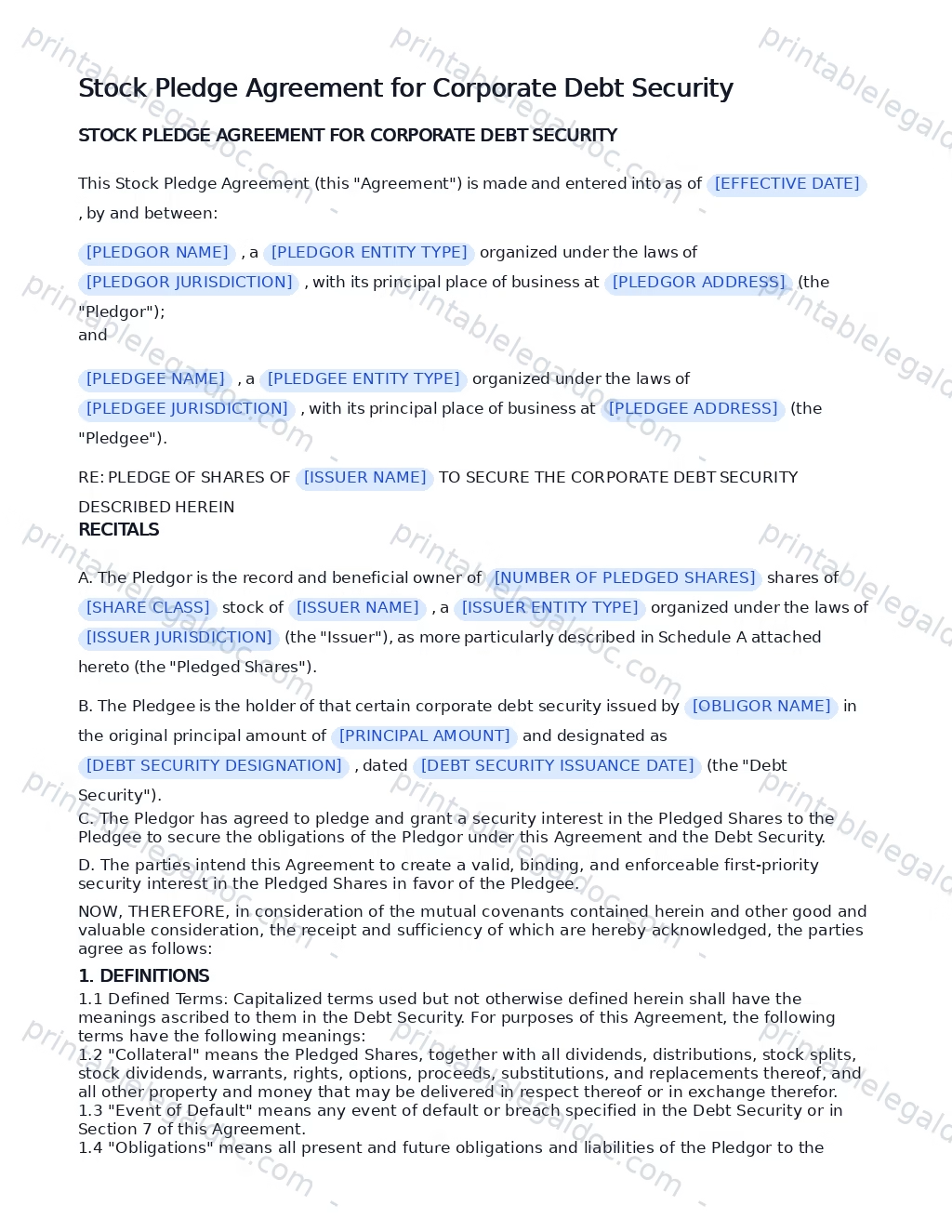
Stock Pledge Agreement for Corporate Debt Security
A stock pledge agreement secures corporate debt with shares as collateral. The pledgee gains rights to the pledged stock if the borrower defaults. This template sets clear terms for both parties. It covers pledge creation, voting rights, and dividend handling. You also get default remedies and release conditions. Each clause protects the lender and keeps the deal fair. Use this document to formalize a corporate debt security arrangement. It saves time and reduces legal risk. Fill in the details, review with counsel, and sign. The template works for private companies and public firms alike.
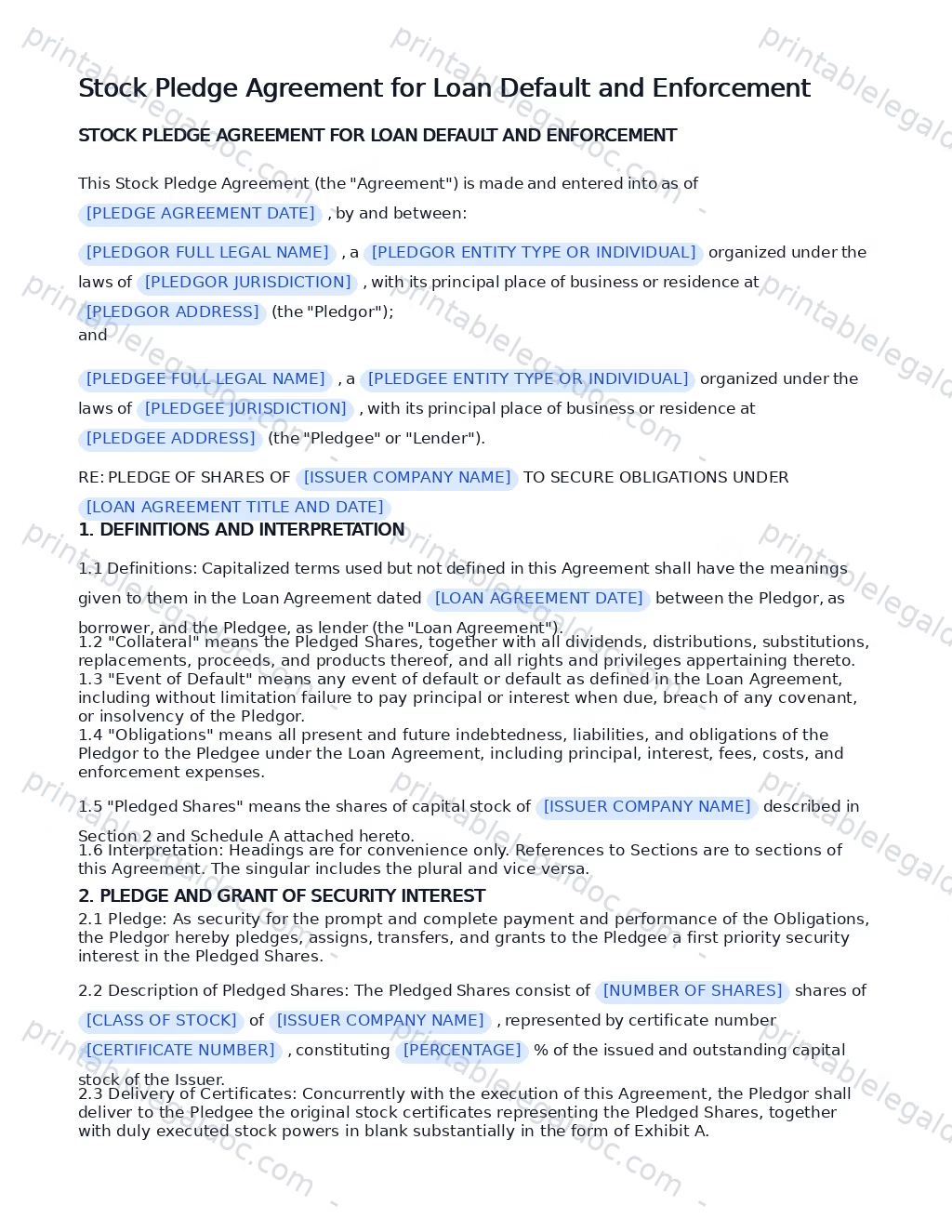
Stock Pledge Agreement for Loan Default and Enforcement
A stock pledge agreement protects lenders when a borrower fails to repay. The borrower pledges shares as collateral. If default occurs, the lender can enforce the pledge and sell those shares. Our template covers key terms like pledge ratio, voting rights, and default events. It also outlines the enforcement process step by step. Clear clauses reduce disputes during a stressful time. Both parties know their rights and duties from day one. You get a ready structure that saves drafting hours. Review local rules before signing. This template gives you a solid starting point for secured lending.
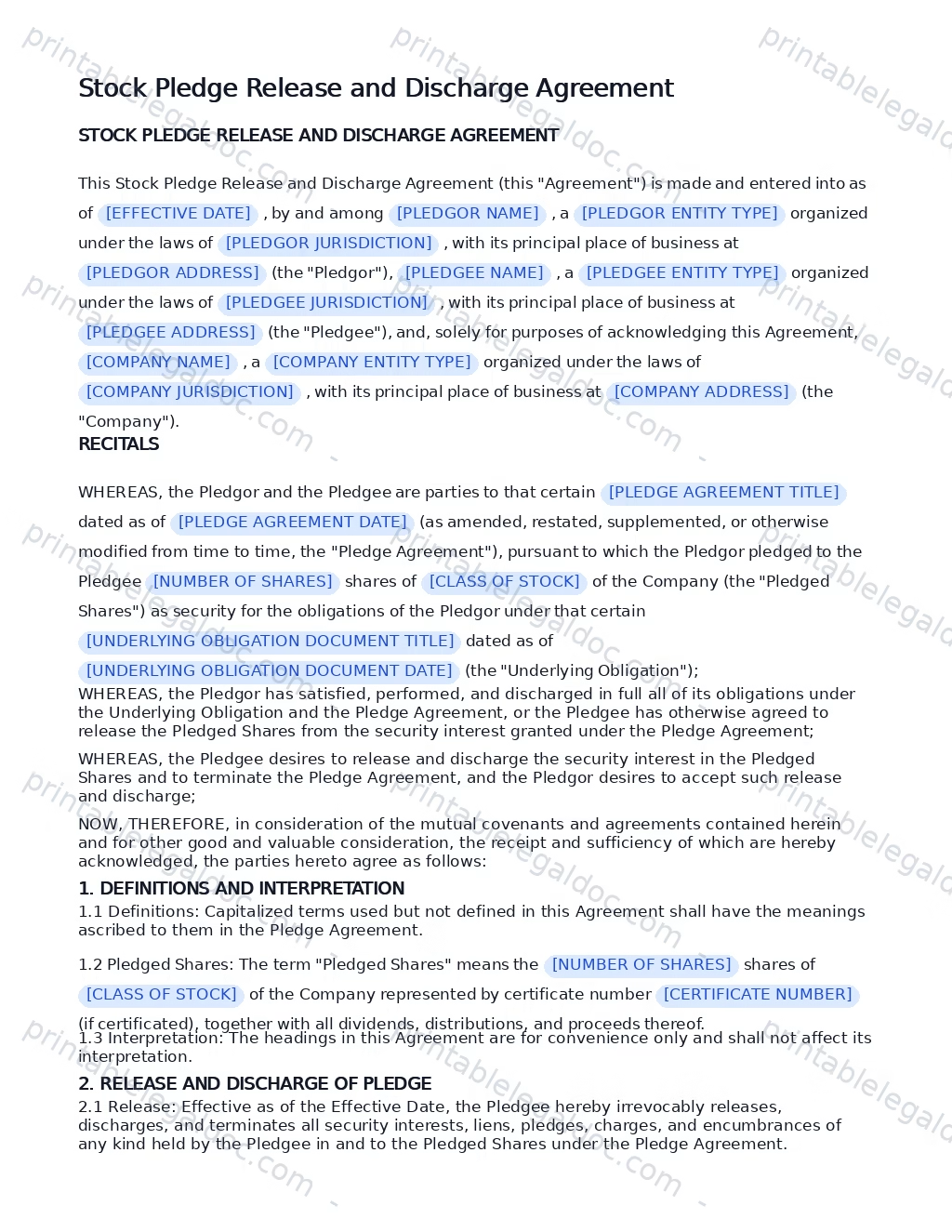
Stock Pledge Release and Discharge Agreement
A stock pledge release and discharge agreement frees pledged shares once a loan is repaid. This document confirms the lender gives up all claims on the collateral. It protects both borrower and lender. The borrower regains full control of the shares. The lender avoids future disputes. Our template covers key terms clearly. It names the parties. It describes the released securities. It states the effective date. Signature blocks keep the process formal. Use this agreement when a secured obligation ends. Review local rules before signing. Get legal advice for complex deals. The template saves time and reduces errors.
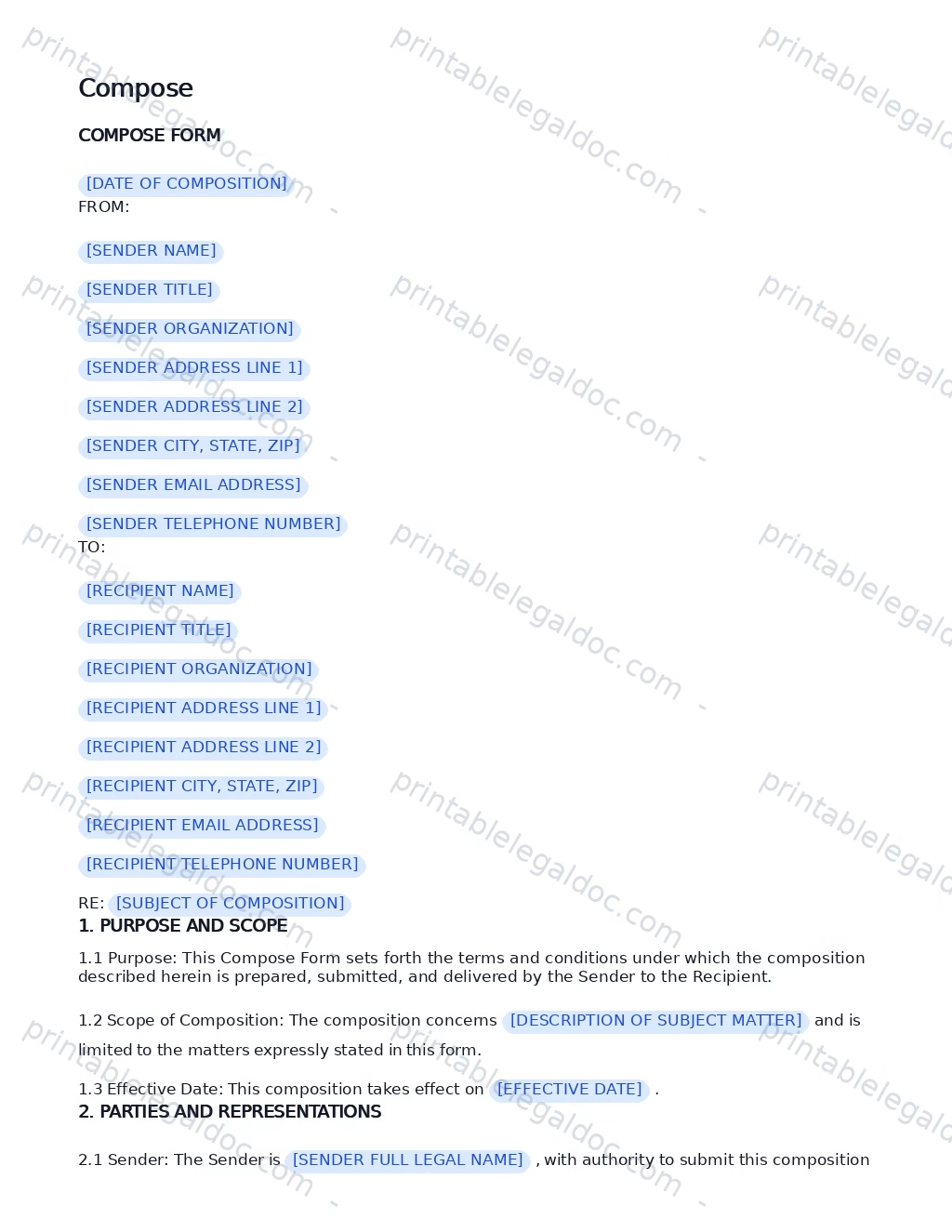
Compose
Compose gives you a simple space to build content that connects. Write your ideas, shape your message, and watch your words find the right audience. This template keeps the process light. Clear structure guides every step. You stay focused on what matters most. Your voice leads the way. No clutter slows you down. No guesswork steals your time. Compose helps you publish with confidence. Readers get a story worth their attention. Search engines get clean, readable text they can understand. Start with a single line. Let your message grow from there. Every draft becomes a chance to reach someone new. Every edit brings your writing closer to its goal. Share your work with the world. Compose makes that moment feel easy.
Pledge Of Stock
Pledge of Stock
_____________, referred to as OWNER, and _____________, referred to as CREDITOR, agree:
OWNER is indebted to CREDITOR in the sum of $______(________________&___/100 dollars); to secure repayment of the debt, OWNER pledges to CREDITOR ______ shares of ______ stock of __________________.
OWNER agrees to execute all necessary documents to perfect the pledge.
So long as OWNER is indebted to CREDITOR, the CREDITOR shall have the right to vote the shares.
CREDITOR shall be entitled to any dividends, and CREDITOR shall credit the debt with the amount of the dividends collected. CREDITOR may optionally reinvest the dividends, and any shares so purchased shall be subject to the pledge.
If OWNER is current in the obligation underlying this pledge, CREDITOR will release portions of the pledged stock as follows:
$______(_______________&____/100 dollars) per share.
A copy or copies of the stock certificate or certificates are attached.
Dated: _________________________________________
______________________________________________________________
Creditor______________________________________________________________
Owner
Pledge of Stock
Review ListThis review list is provided to inform you about this document in question and assist you in its preparation. Pledges of stock can be used by creditors to get more collateral from debtors behind in their obligations. This is an interim step that creditors can use to protect their interests without unduly upsetting a debtor. From the debtor’s point of view, they are usually better off liquidating part of their stock in order to pay the creditor rather than go through all of this. Once the debtor gives up the stock, then the creditor assumes control over its liquidation should the debtor continue to be in default or go into default.
1. Make multiple copies. Give one to each signatory. As a creditor, be sure to get the actual stock certificate (s) and get the proper paperwork in order in case you need to liquidate them.
Frequently Asked Questions
What is a pledge of stock?
A pledge of stock is an agreement in which a stock owner pledges shares to a creditor to secure repayment of a debt. The owner remains the owner but grants the creditor certain rights, such as voting and dividends, until the debt is repaid. The pledge is documented in a written agreement that specifies the debt amount and the number of shares pledged.
What rights does the creditor have under a stock pledge agreement?
Under the stock pledge agreement, the creditor has the right to vote the pledged shares so long as the owner is indebted. The creditor is also entitled to any dividends paid on the shares and must credit the debt with the amount of dividends collected. Additionally, the creditor may optionally reinvest the dividends, and any shares purchased with those dividends become subject to the pledge.
How are dividends handled in a stock pledge?
The creditor is entitled to receive any dividends paid on the pledged stock. The creditor must then credit the debt with the amount of the dividends collected. The creditor may also choose to reinvest the dividends, and any shares acquired through reinvestment are subject to the same pledge.
Can the owner release portions of the pledged stock?
Yes, if the owner is current in the obligation underlying the pledge, the creditor will release portions of the pledged stock. The release is based on a specified dollar amount per share, as stated in the agreement. This allows the owner to regain control of some shares as the debt is paid down.
What documents are needed to perfect a stock pledge?
The owner agrees to execute all necessary documents to perfect the pledge. A copy or copies of the stock certificate or certificates are attached to the agreement. These documents help establish the creditor's security interest in the pledged shares.
Who can vote the pledged shares?
So long as the owner is indebted to the creditor, the creditor shall have the right to vote the shares. This means the creditor can exercise voting rights typically associated with stock ownership. The owner regains voting rights once the debt is repaid and the pledge is released.
What happens if the owner defaults on the debt?
The pledge of stock agreement does not specify the consequences of default. However, the creditor's right to vote the shares and receive dividends continues so long as the owner is indebted. The agreement focuses on the rights and obligations while the debt is outstanding.
Is a pledge of stock the same as transferring ownership?
No, a pledge of stock is not a transfer of ownership. The owner remains the owner of the shares but grants the creditor certain rights as security for the debt. The creditor's rights, such as voting and receiving dividends, last only while the owner is indebted.
What is the purpose of a pledge of stock agreement?
The purpose is to secure repayment of a debt by pledging shares of stock as collateral. The agreement outlines the debt amount, the number of shares pledged, and the rights of the creditor. It provides a legal framework for the pledge and protects both parties' interests.
How is the pledged stock released?
If the owner is current in the obligation, the creditor will release portions of the pledged stock at a specified dollar amount per share. This release mechanism allows the owner to reclaim shares as the debt is reduced. The exact terms are detailed in the agreement.


