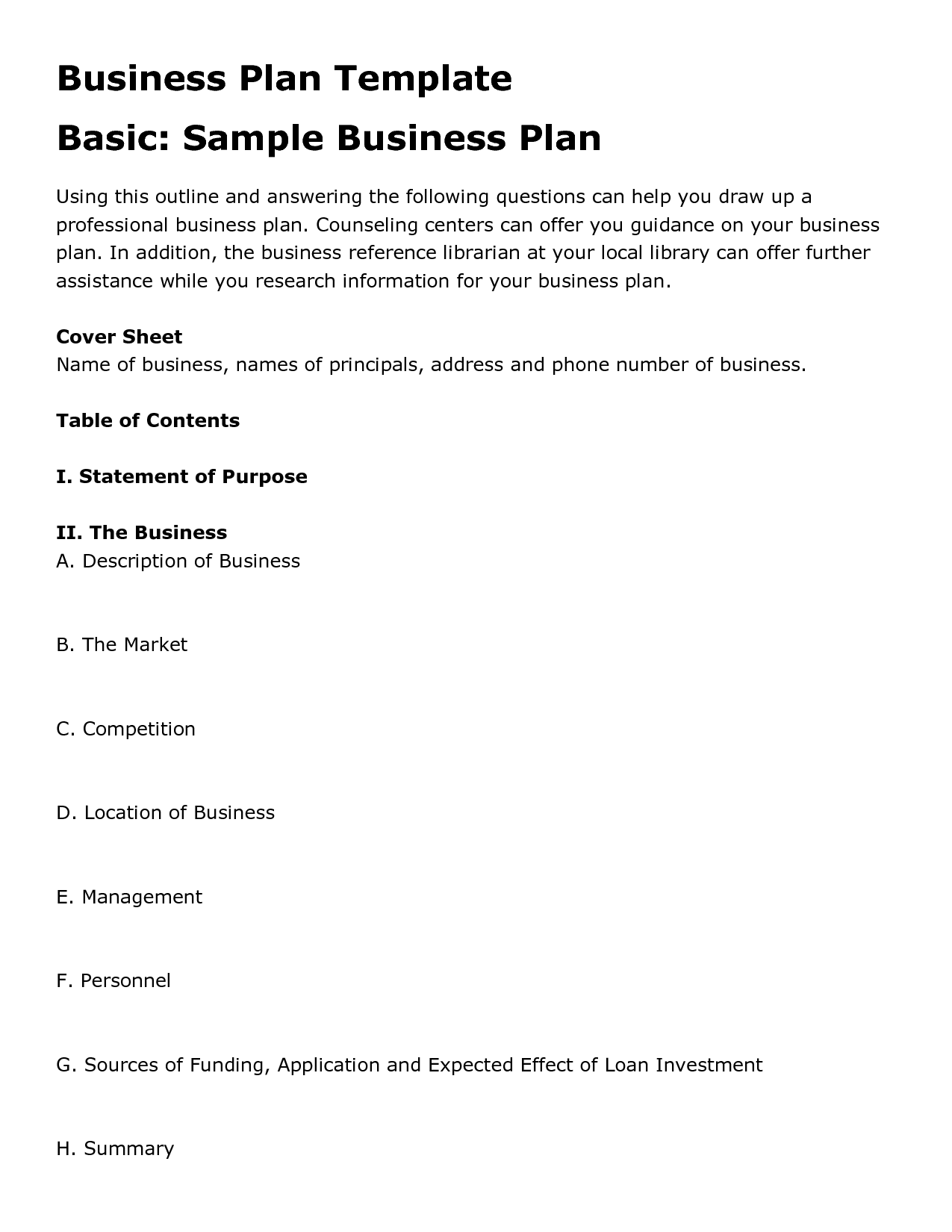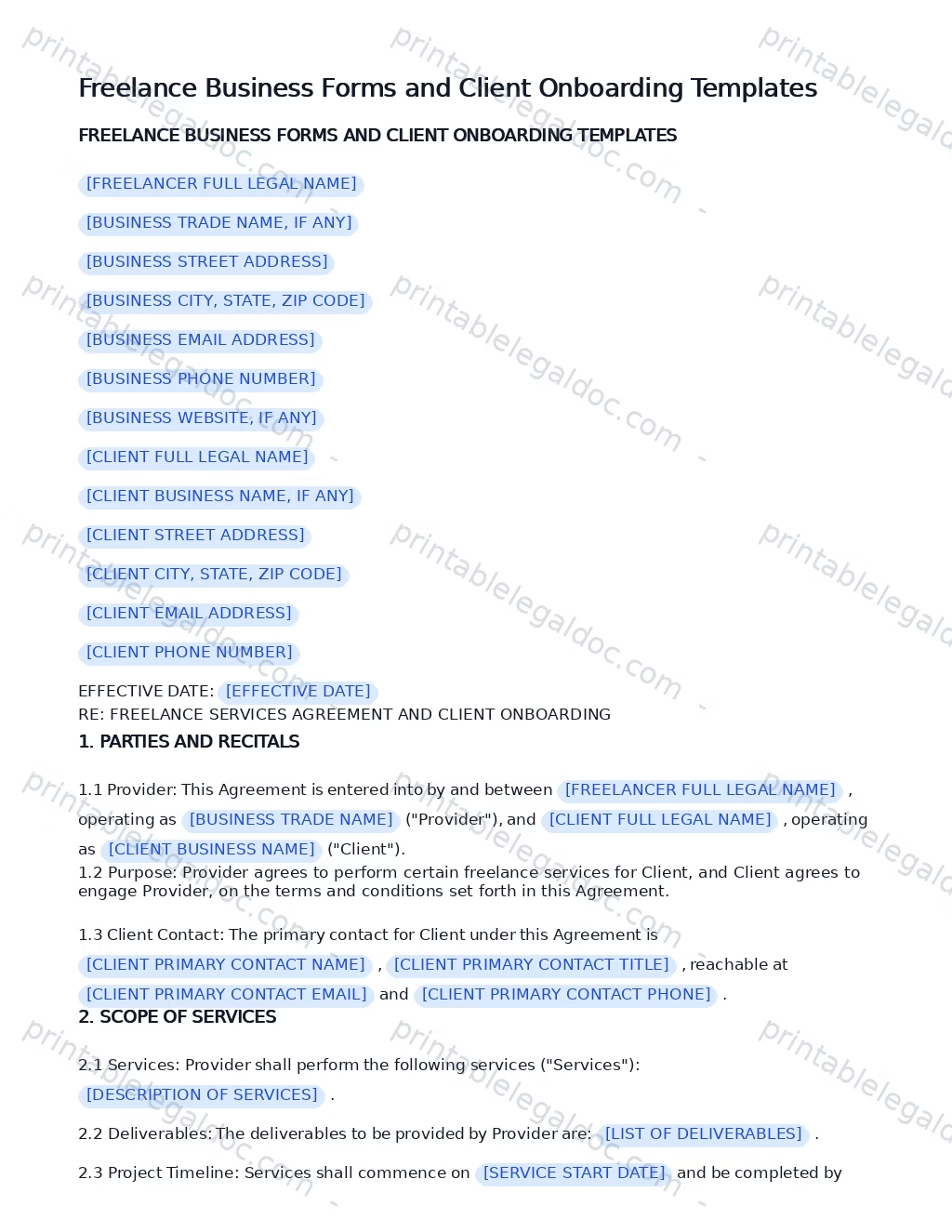
Freelance Business Forms and Client Onboarding Templates
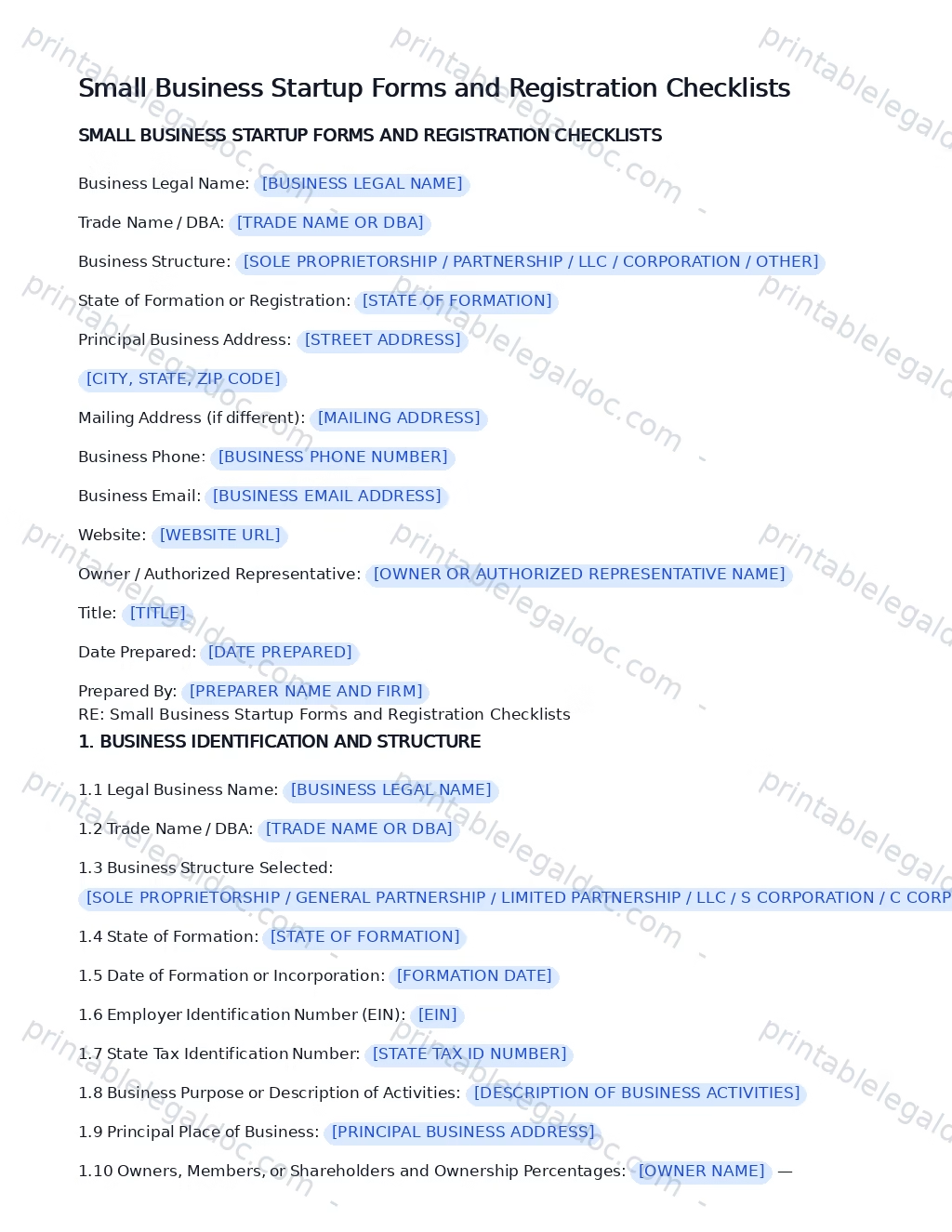
Small Business Startup Forms and Registration Checklists
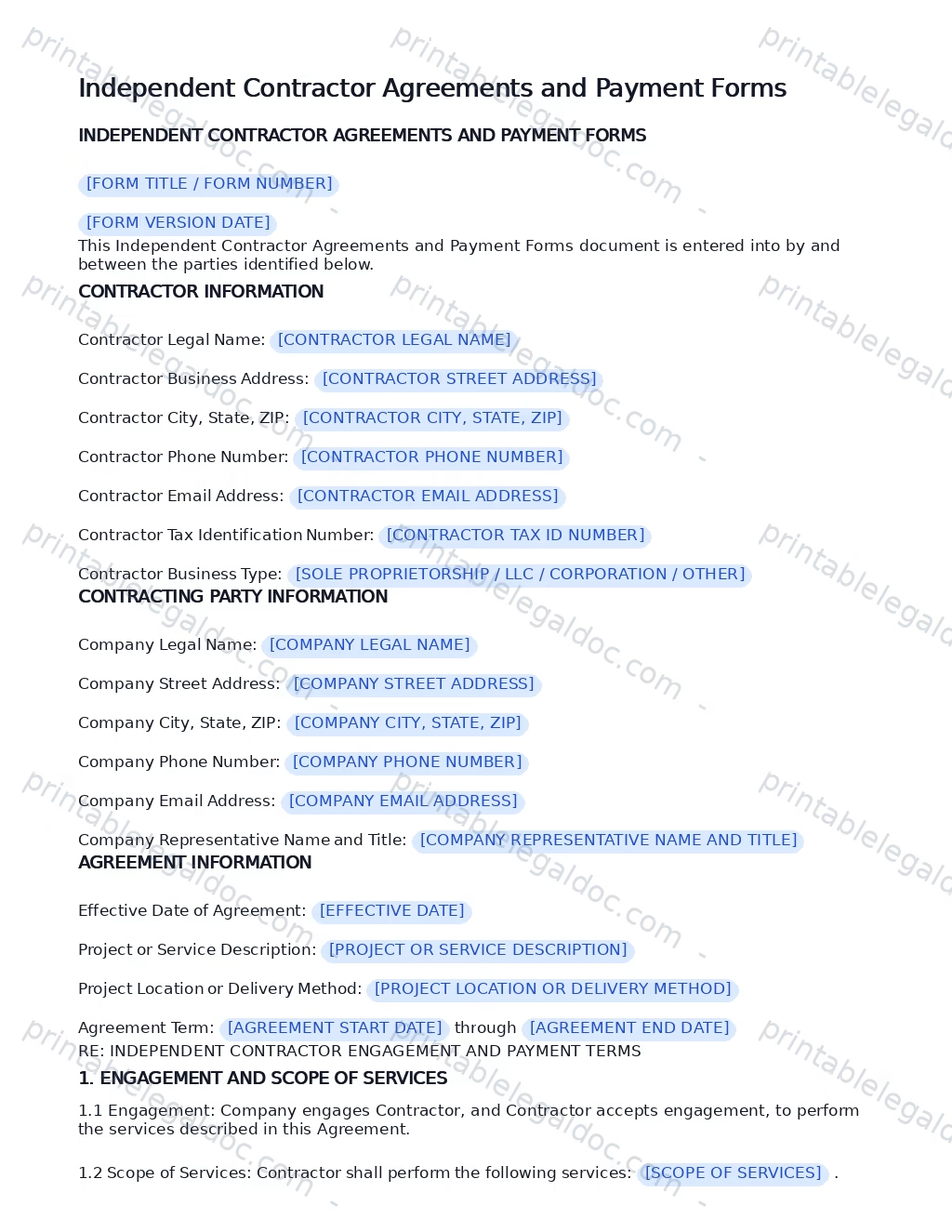
Independent Contractor Agreements and Payment Forms
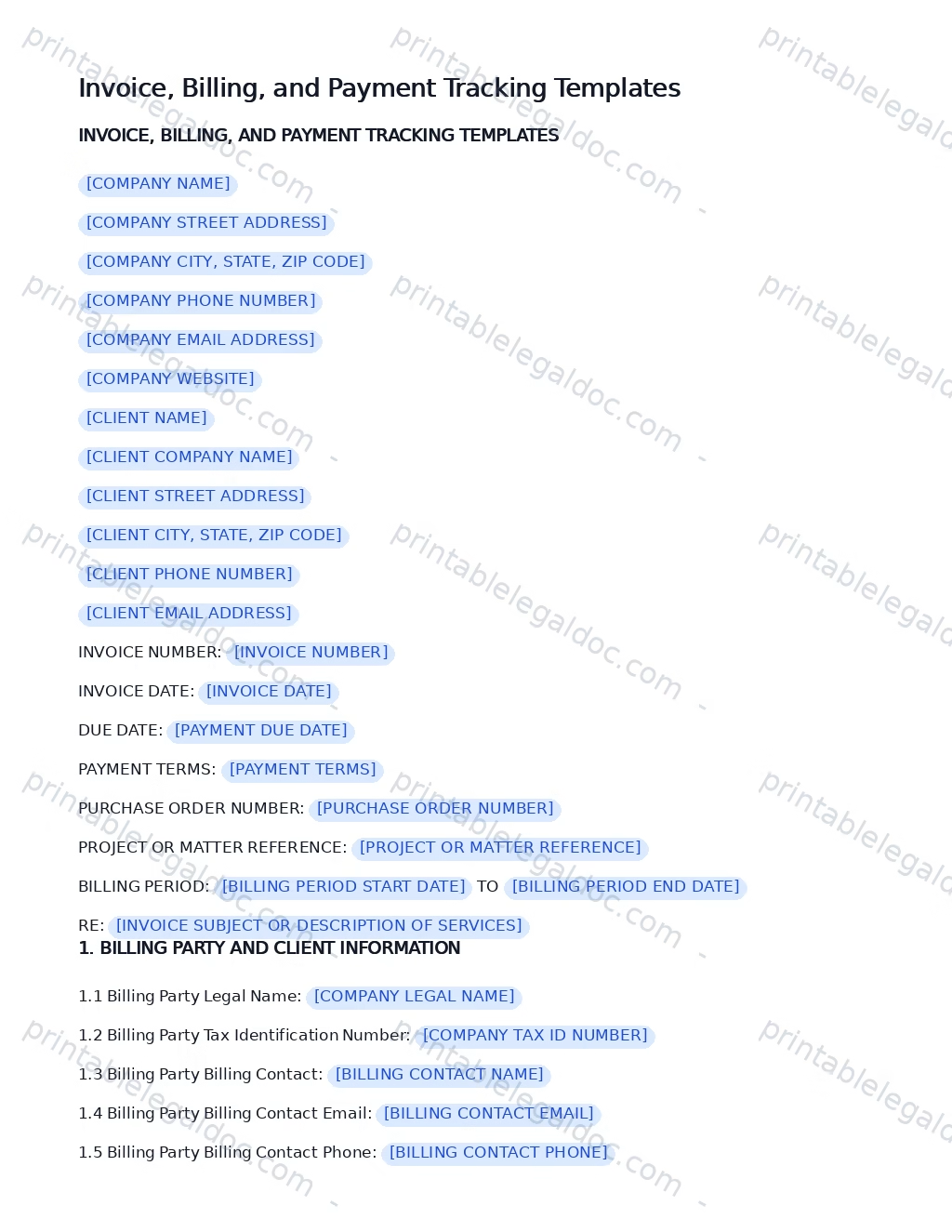
Invoice, Billing, and Payment Tracking Templates
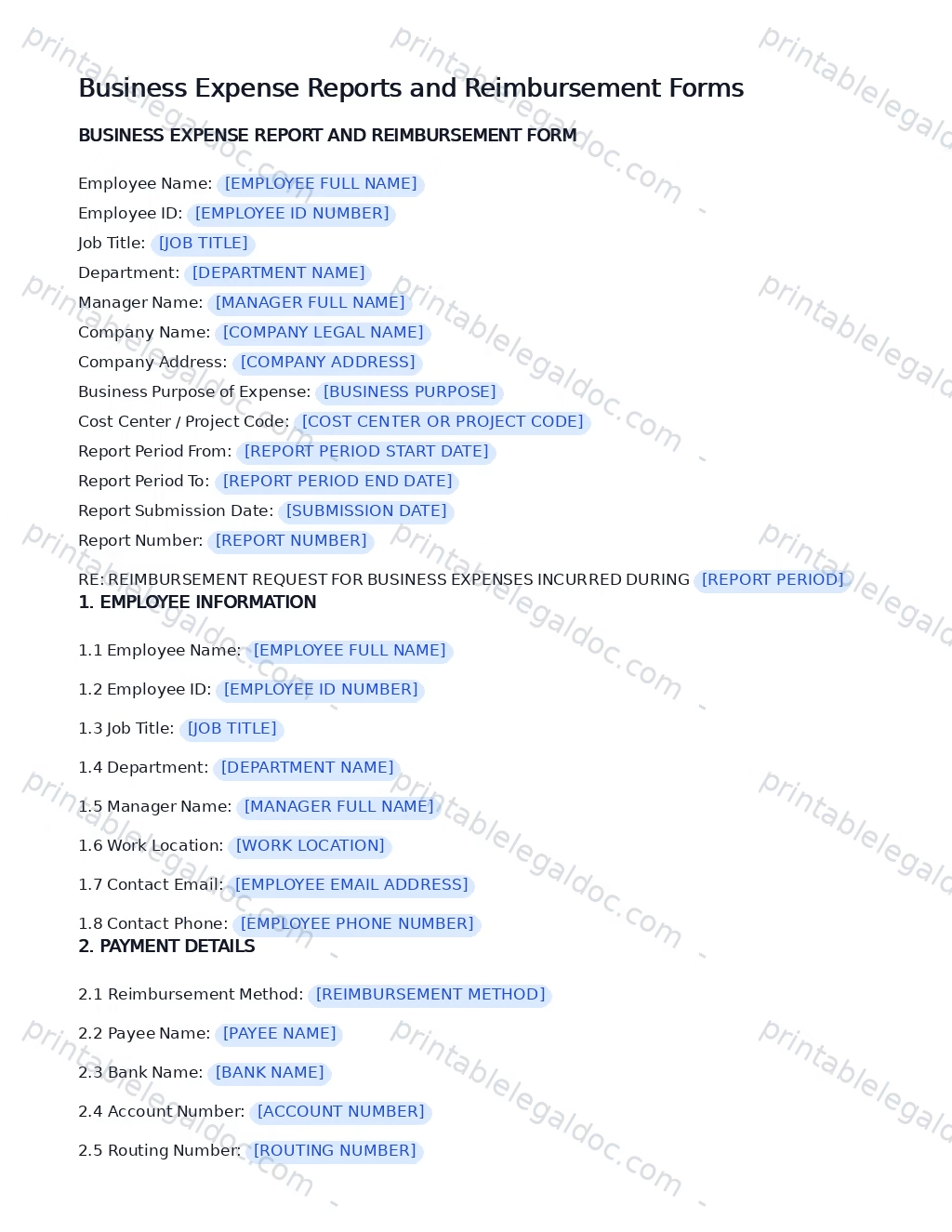
Business Expense Reports and Reimbursement Forms
Business expense reports and reimbursement forms help you track spending and get paid back fast. Record each purchase with the date, amount, and purpose. Attach receipts to support every claim. Clear records reduce errors and speed up approval. Managers can review costs and spot trends. Finance teams gain accurate data for budgets and audits. Our template gives you a simple layout for expenses, mileage, and approvals. Fill it in, submit it, and follow the status. Less paperwork means more time for real work.
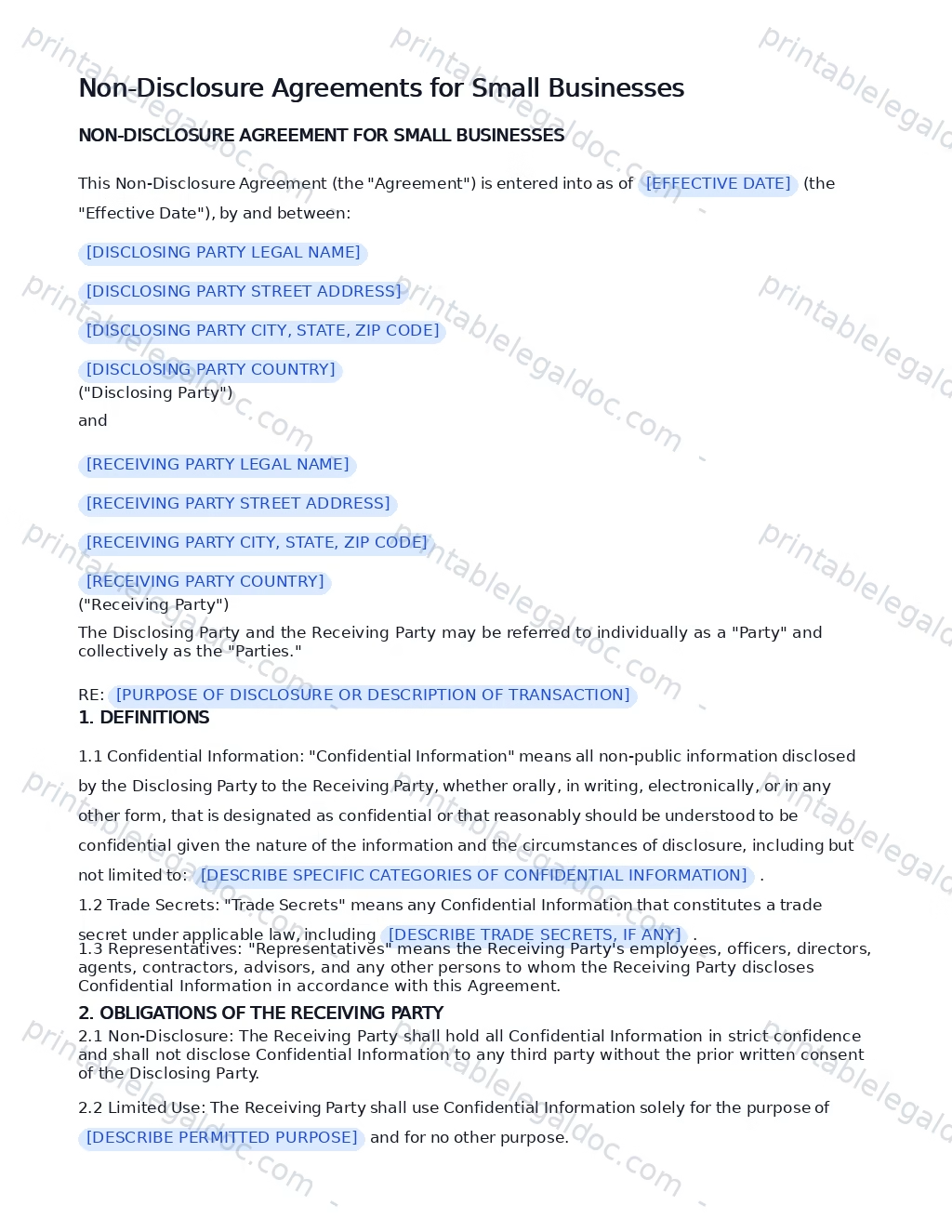
Non-Disclosure Agreements for Small Businesses
A non-disclosure agreement protects your business secrets. Small teams often share ideas with contractors and partners. One loose conversation can cost you real money. Our template makes protection simple. Fill in the blanks and both sides sign. The document covers confidential information clearly. It sets fair rules for use and return of data. You get plain language anyone can follow. No lawyer visit required for basic deals. Review local laws before you sign. Then store the file somewhere safe. This template gives small businesses a strong first line of defense.
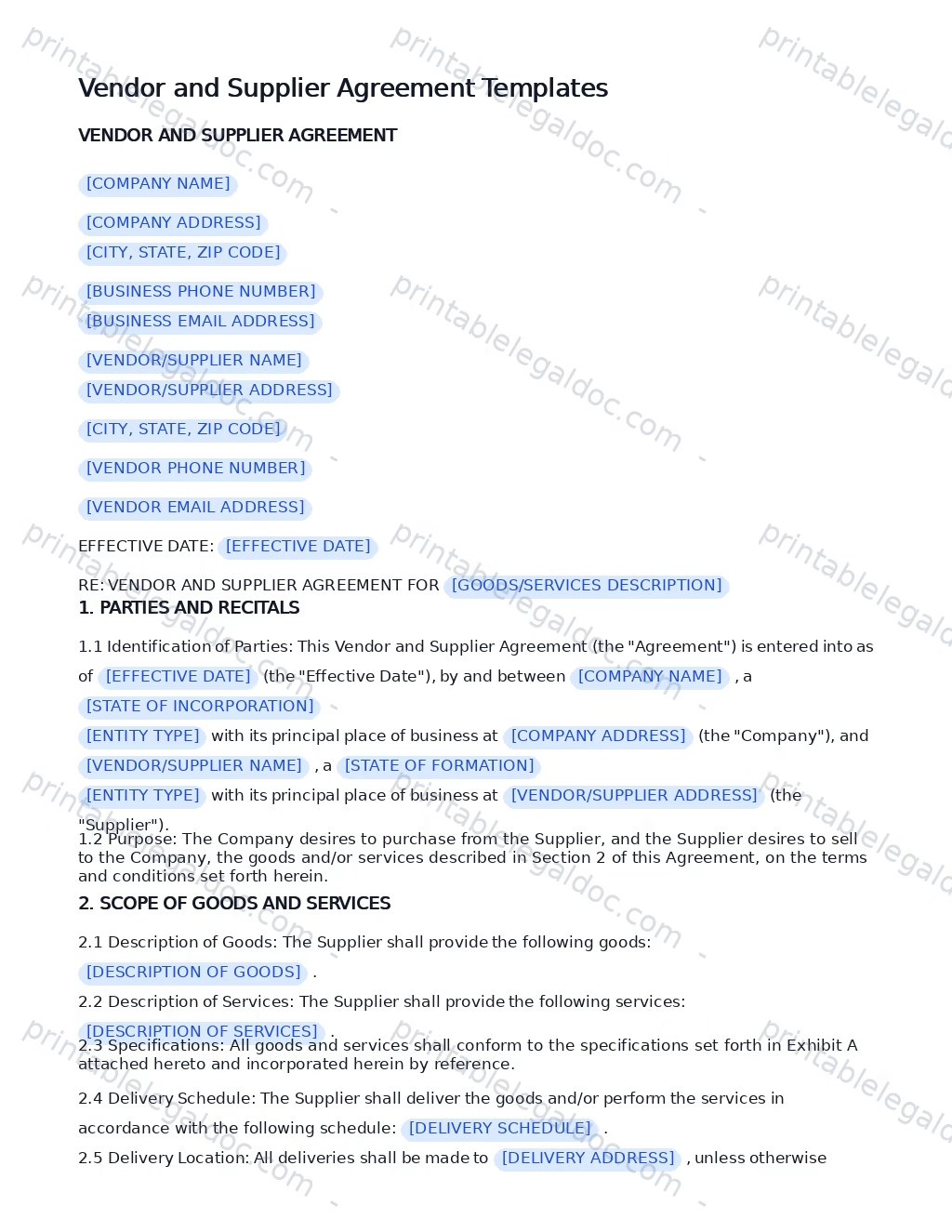
Vendor and Supplier Agreement Templates
A vendor and supplier agreement template gives you a clear starting point for any business deal. It sets out payment terms and delivery schedules. You also get clauses on quality standards and confidentiality. Each party knows its duties from day one. The template helps you avoid vague promises and costly misunderstandings. Small teams can use it without legal training. Larger firms save time on routine contracts. Review the terms with your lawyer before signing. Then adjust the details to fit your specific supply chain. This simple document protects both sides and keeps your operations running smoothly.
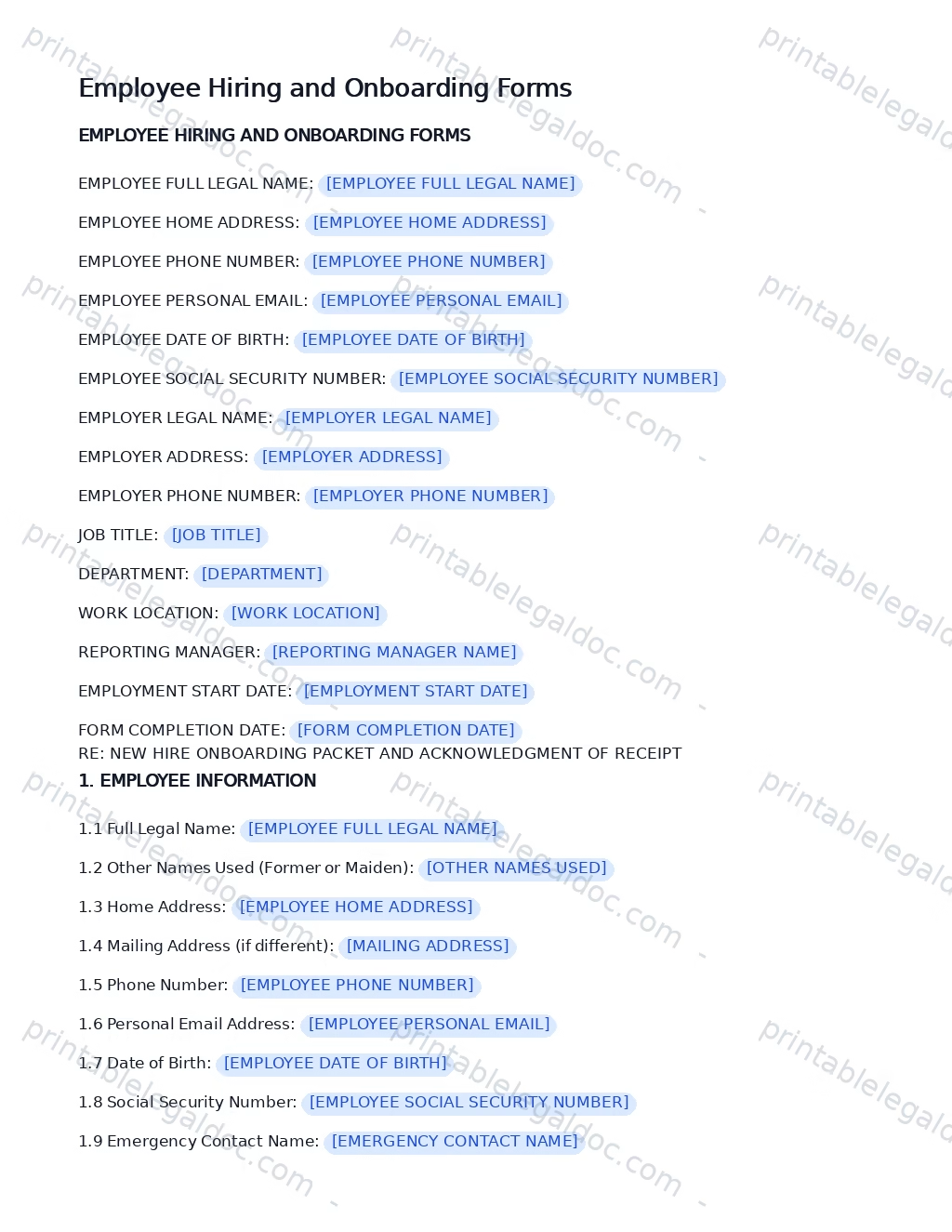
Employee Hiring and Onboarding Forms
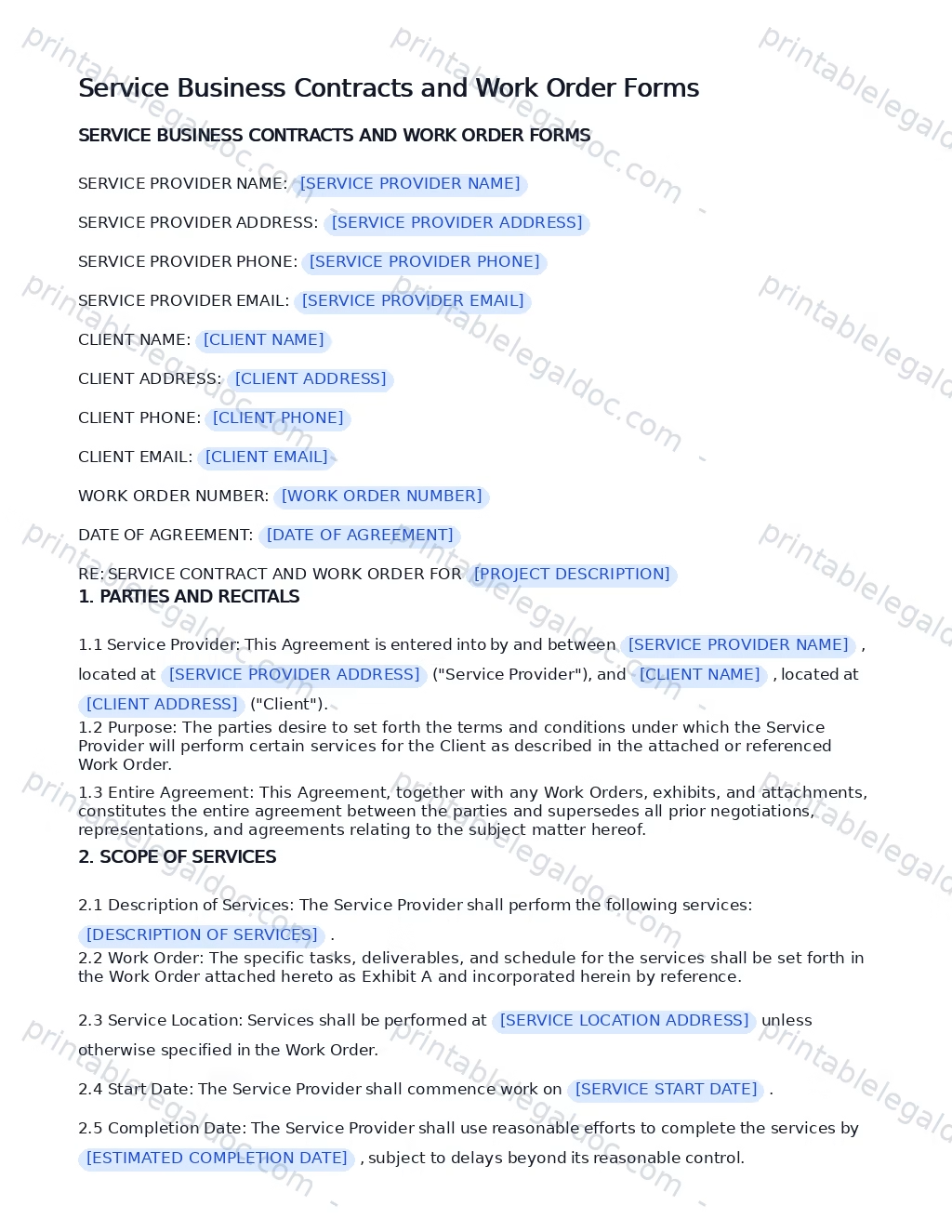
Service Business Contracts and Work Order Forms
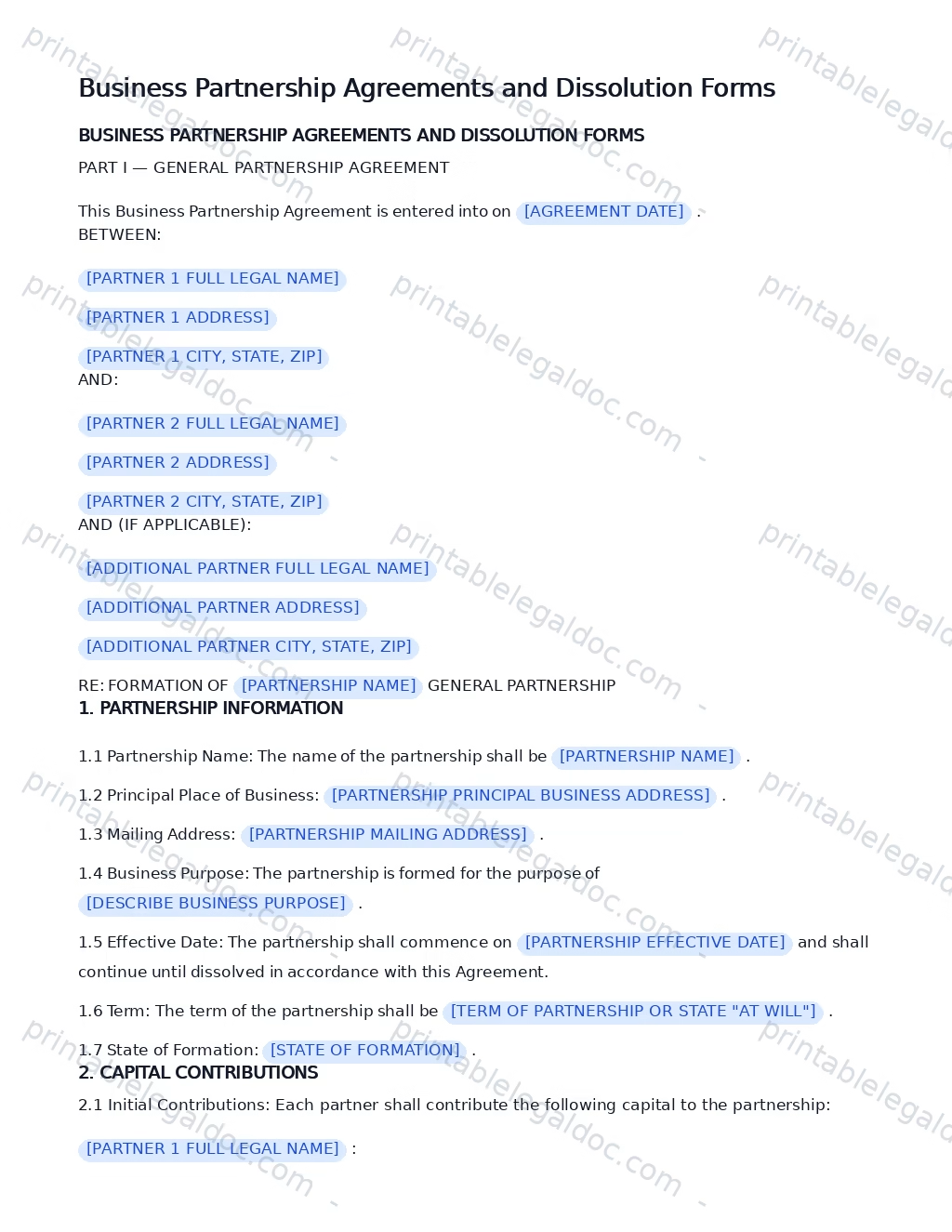
Business Partnership Agreements and Dissolution Forms
Where to get business forms from?
When you are running a business there are several things you need to handle. You will have to take care of the machinery, personnel and other resources. But that is all part of the business, and it requires your intelligence to some extent. There are a few things that no one really likes to do, like the paperwork. You will have to keep record of everything that is going on related to your company. It becomes really difficult when you have to do it almost every day. Then there are huge chances of a minor mistake, due to which you will to recheck the whole thing. All this can be avoided with the help of business forms. Sounds interesting, right? Let’s know more.
When it comes to paperwork, all businesses have to do the same thing. They need to prepare records of expenses, loss & gain charts, employee database, annual reports, etc. These things are not just for their own record, but also to satisfy the investors, clients and the stockholders. Thus every piece of paper needs to have the correct information arranged in the right manner. Now rather than creating a unique layout yourself, you can use the standard methods. This saves a lot of time and also reduces the probability of a mistake.
The layouts of these business forms can very easily be found on the internet. Just download them once and you will not have to worry about it ever again. Just enter the data and take a print.
Frequently Asked Questions
What are business forms?
Business forms are standardized documents used to record and organize information related to a company's operations. They help businesses prepare records such as expenses, loss and gain charts, employee databases, and annual reports. By using standard methods, businesses can save time and reduce the risk of minor mistakes.
Why are business forms important?
Business forms are important because they help avoid the difficulties and errors associated with manual paperwork. They provide a structured way to keep records that satisfy investors, clients, and stockholders. Additionally, they save time by eliminating the need to create unique layouts from scratch.
What types of records can be prepared using business forms?
Business forms can be used to prepare records of expenses, loss and gain charts, employee databases, and annual reports. These are common paperwork requirements for all businesses. The forms ensure that information is arranged correctly and consistently.
How do business forms help with paperwork?
Business forms help with paperwork by providing standard layouts that reduce the time and effort needed to create records. They also minimize the chance of minor mistakes that could require rechecking the entire document. This makes the paperwork process more efficient and accurate.
Who needs business forms?
Any business that needs to maintain records for internal purposes or to satisfy investors, clients, and stockholders can benefit from business forms. They are useful for handling routine paperwork such as expense tracking and annual reports. Essentially, all businesses that deal with paperwork can use them.
Where can I get business forms?
The article does not specify where to obtain business forms, but it suggests using standard methods rather than creating unique layouts yourself. This implies that pre-made or standardized forms are available. For specific sources, you may need to consult additional resources.
What are the benefits of using standard business forms?
Using standard business forms saves a lot of time because you don't have to design your own layout. It also reduces the likelihood of errors, as the format is already structured correctly. This helps ensure that records are accurate and presentable to stakeholders.
Can business forms help reduce mistakes in record-keeping?
Yes, business forms can help reduce mistakes by providing a consistent and standardized format for recording information. This minimizes the chances of minor errors that could lead to rechecking the entire document. As a result, record-keeping becomes more reliable and efficient.
Are business forms only for financial records?
No, business forms are not only for financial records. They can also be used for employee databases, annual reports, and other types of business documentation. The article mentions that businesses need to prepare various records, and forms can assist with all of them.
How do business forms satisfy investors and stockholders?
Business forms help satisfy investors and stockholders by ensuring that records are accurate and properly organized. Since these stakeholders require correct information, using standard forms helps present data in the right manner. This builds confidence and meets their expectations for transparency.